 2233
2233Nell'era dei video brevi e dei social media, la domanda di attrezzature fotografiche e prodotti accessori è aumentata notevolmente. In particolare, il mercato delle luci di riempimento, secondo i dati di Statista, nel 2024 i ricavi globali del mercato dell'illuminazione dovrebbero raggiungere 83,94 miliardi di dollari, con una crescita costante nei prossimi anni.
In questo mercato globale dell'illuminazione, c'è un marchio di nicchia partito dal crowdfunding che, grazie a strategie commerciali decise e a eccellenti capacità di marketing, ha superato ogni ostacolo, emergendo in un mercato altamente competitivo.
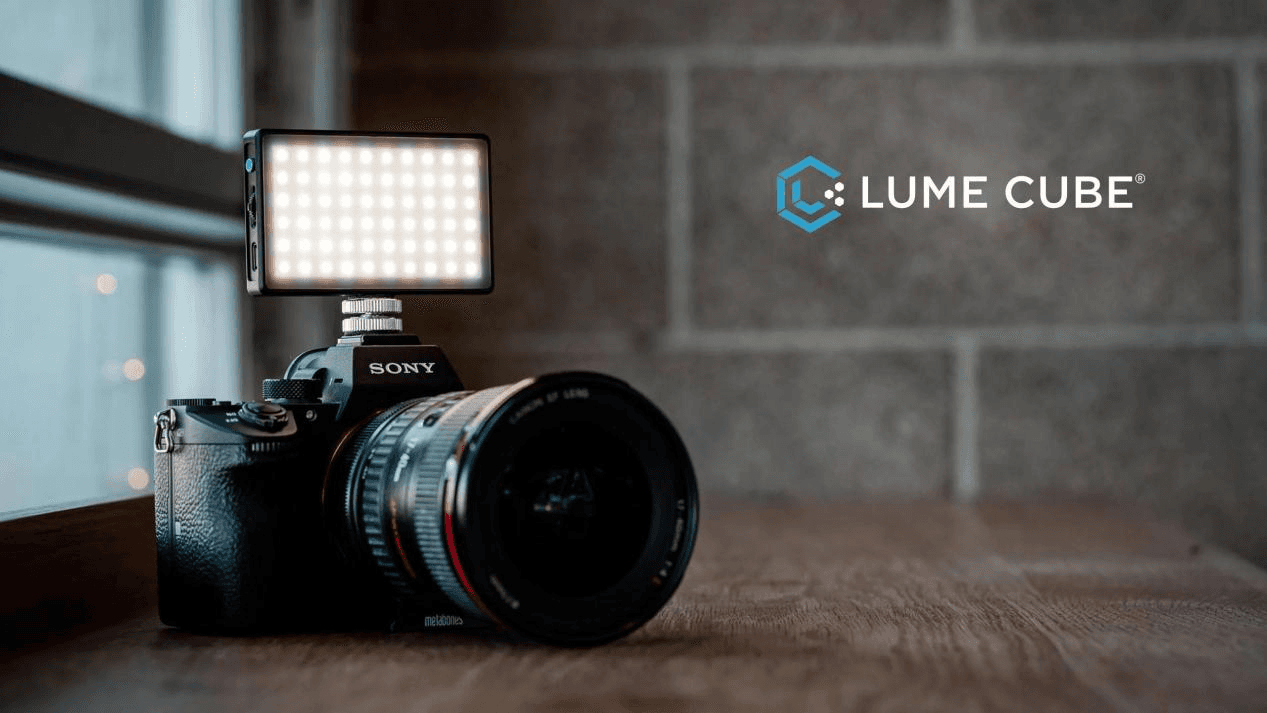
Si tratta del marchio DTC specializzato in luci di riempimento「Lume Cube」.
Avvio iniziale e successo del crowdfunding
Nell'era dell'informazione interconnessa, i fondatori di Lume Cube hanno individuato un'opportunità di domanda: l'enorme bisogno di accessori fotografici per smartphone, fotocamere e altri dispositivi.
Nel 2014, hanno lanciato una luce progettata per utenti di iPhone e GoPro, scegliendo di avviare una campagna di crowdfunding su Kickstarter.
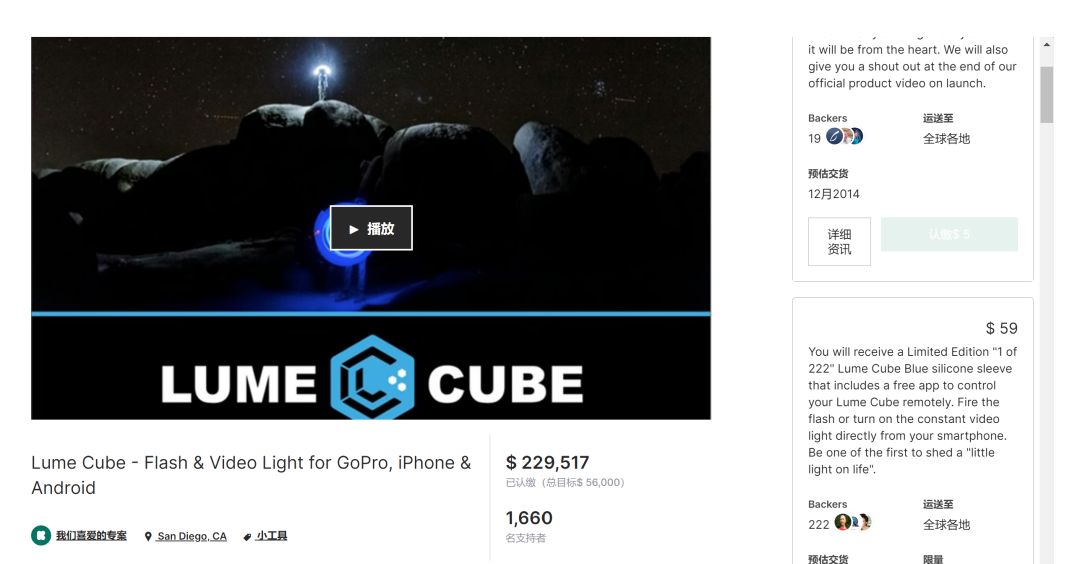
In appena un mese, hanno raccolto con successo 229.000 dollari, superando di gran lunga l'obiettivo iniziale e ottenendo migliaia di preordini. Questo non solo ha fornito il supporto finanziario necessario alla loro startup, ma ha anche permesso loro di affermarsi rapidamente sul mercato.
Tuttavia, il successo del crowdfunding è stato solo l'inizio del viaggio imprenditoriale di Lume Cube. Come molte startup, Lume Cube ha affrontato sfide enormi nei primi anni.
Per evadere gli ordini il più rapidamente possibile, il team ha lavorato 90 ore a settimana per oltre un anno. Il problema più grande, però, era che, a causa del tradizionale modello di distribuzione multicanale, i tempi di incasso duravano da uno a due mesi o addirittura un trimestre, mettendo sotto forte pressione il flusso di cassa di Lume Cube.
Nei momenti più difficili, per pagare gli stipendi ai dipendenti, l'azienda è stata costretta a svendere gli stand delle fiere, rischiando la bancarotta.

Transizione al modello DTC e ripresa durante la pandemia
Di fronte alla crisi di liquidità, Lume Cube ha deciso con decisione di passare al modello DTC (Direct-to-Consumer), investendo massicciamente in pubblicità su Facebook e Instagram per attirare traffico verso il sito indipendente del marchio.
Tuttavia, la fase iniziale della transizione è stata ancora piena di difficoltà: il nuovo prodotto "luce per videoconferenze" non ha avuto una buona risposta sul mercato, vendendo solo il 7% delle scorte in un anno. Allo stesso tempo, la pandemia ha ridotto il mercato delle luci per esterni, mettendo Lume Cube di fronte a un'altra crisi.
Ma la pandemia ha anche portato nuove opportunità. La domanda globale di lavoro da remoto, didattica online e live streaming è aumentata, così Lume Cube ha rapidamente adattato la strategia, rilanciando sul mercato la luce per videoconferenze invenduta, con un successo inaspettato che ha portato a un'esplosione delle vendite.

Secondo le statistiche, nel 2020 le vendite di Lume Cube sono aumentate di oltre il 400%, e nel 2021 il fatturato annuale del marchio ha raggiunto i 16 milioni di dollari, con il 90% degli ordini provenienti dal sito indipendente.
Lume Cube non solo ha colto con successo le opportunità di mercato portate dalla pandemia, ma ha anche consolidato la propria posizione attraverso l'innovazione continua dei prodotti e l'espansione del mercato.
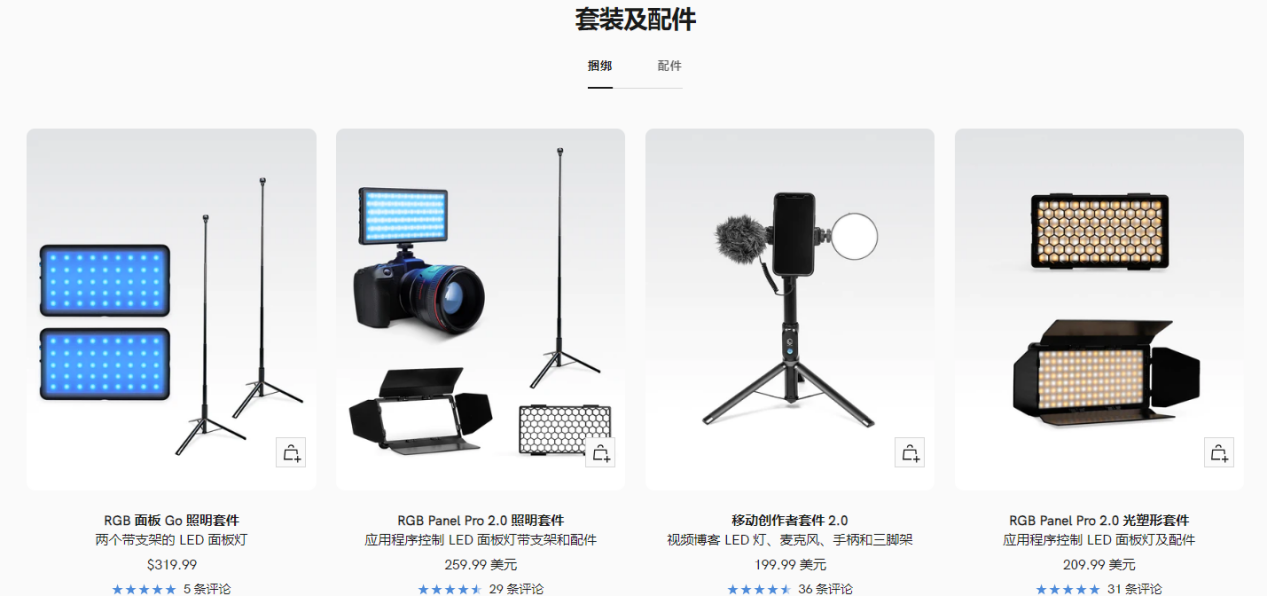
Ad esempio, Lume Cube ha lanciato la luce ad anello wireless PRO, adatta a vari scenari di ripresa, con funzionalità complete, alta compatibilità e lunga durata della batteria, molto apprezzata dagli utenti. Inoltre, Lume Cube ha introdotto vari accessori come supporti per live streaming, custodie e borse portaoggetti, aumentando il valore medio degli ordini con strategie di vendita abbinate.
Marketing del marchio e interazione con gli utenti
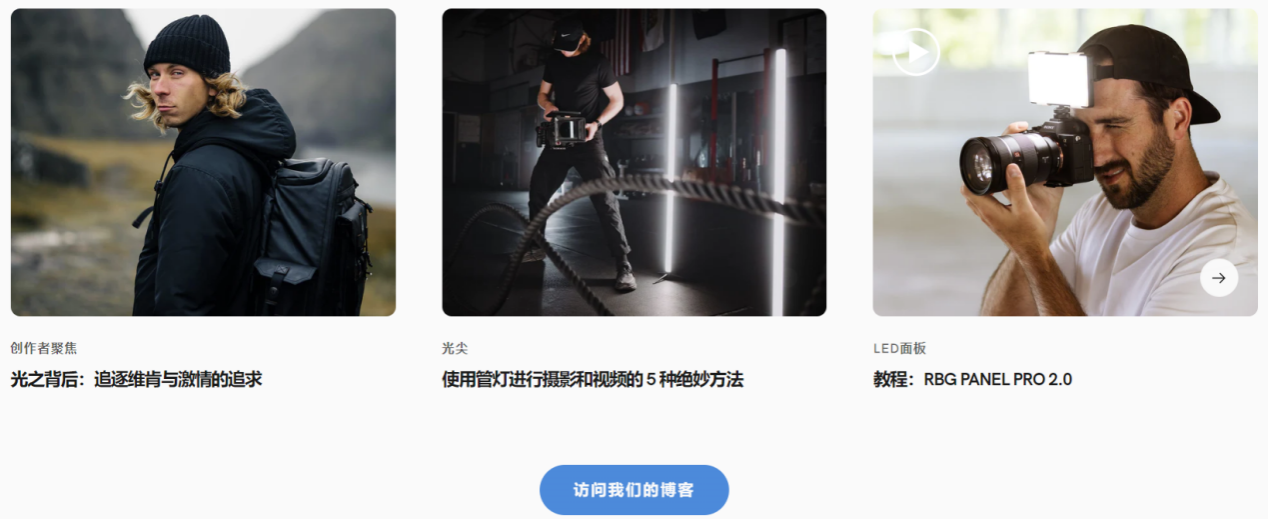
In termini di marketing del marchio, Lume Cube si concentra sulla costruzione dell'immagine del brand attraverso il sito indipendente, e sull'educazione degli utenti e il "product placement" tramite articoli del blog.
Ad esempio, nel blog vengono descritti in dettaglio i metodi di utilizzo di vari strumenti di illuminazione e vengono inseriti link ai prodotti correlati, attirando utenti mirati. Inoltre, Lume Cube costruisce attivamente comunità online, incoraggiando gli utenti a condividere le loro esperienze e raggiungendo un vantaggio reciproco attraverso il marketing di affiliazione.
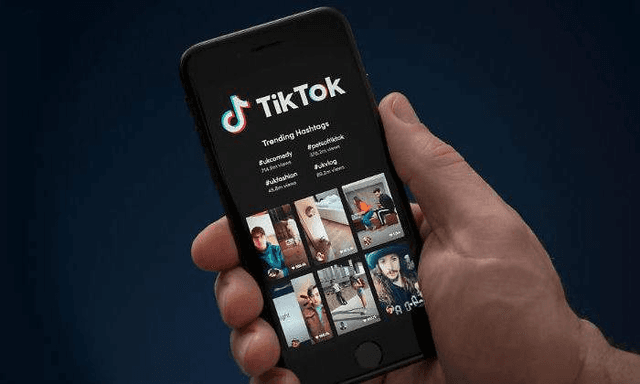
Oltre a gestire il sito indipendente, Lume Cube è presente anche su piattaforme social come TikTok, Facebook, Instagram e YouTube, adottando strategie di marketing differenziate in base alle caratteristiche di ciascuna piattaforma.
Prendendo TikTok come esempio, la piattaforma ha una prevalenza di utenti giovani, e i video divertenti attirano maggiormente l'attenzione. Pertanto, Lume Cube pubblica video di recensioni dei prodotti del marchio e tutorial di utilizzo.
Inoltre, partecipa a sfide e attività su argomenti di tendenza legati alla fotografia e alle tecniche di ripresa su TikTok, collaborando con KOL in settori verticali come appassionati di fotografia e blogger di viaggi, attirando con precisione utenti interessati a video fotografici e aumentando la visibilità e la notorietà del marchio.
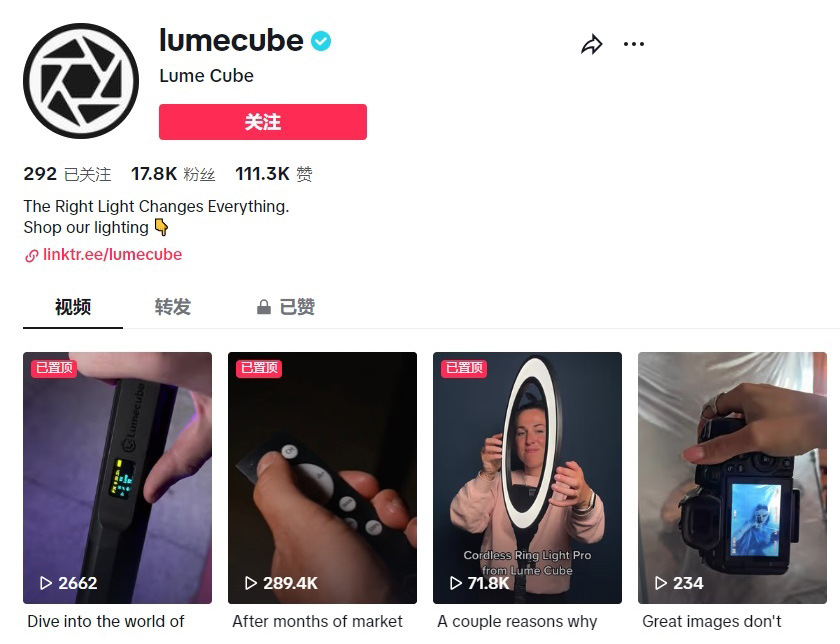
Fonte immagine: TikTok
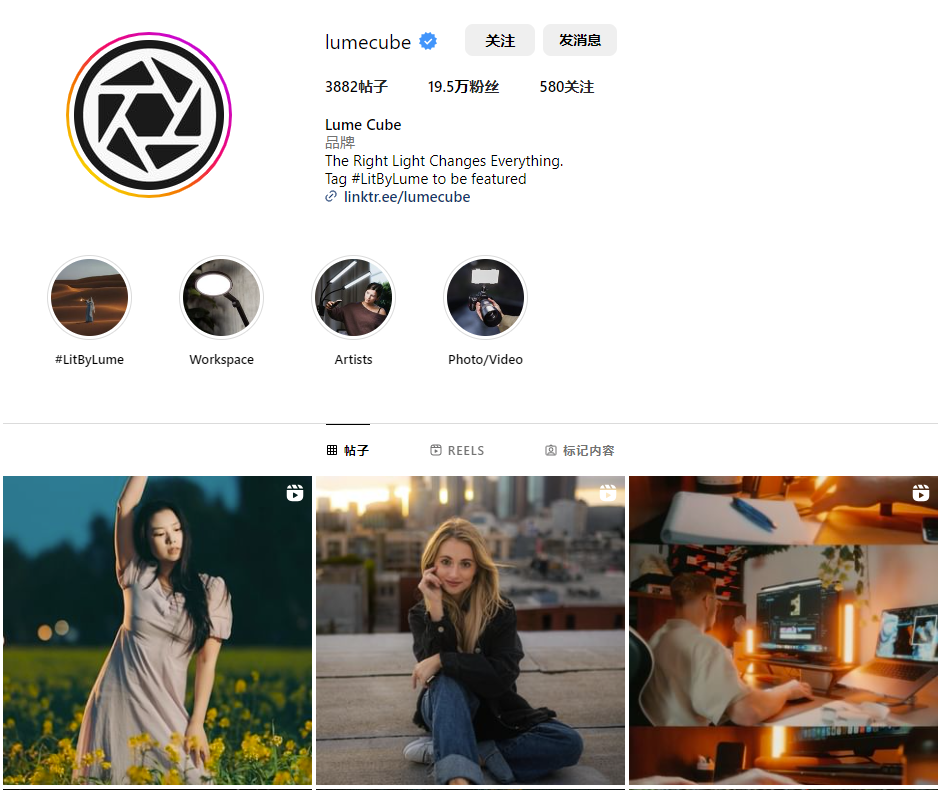
Su Instagram, Lume Cube si concentra principalmente su immagini e testi, pubblicando foto e video di alta qualità e immagini che mostrano l'uso delle luci di riempimento Lume Cube per attirare l'attenzione degli utenti.
In questi post, aggiunge hashtag di tendenza relativi a fotografia e illuminazione, aumentando l'esposizione dei contenuti creati e attirando traffico verso il marchio.
Dal crowdfunding alla transizione al modello DTC, fino a cogliere la domanda di mercato portata dalla pandemia, Lume Cube, grazie a una visione acuta del mercato, a un'innovazione continua dei prodotti e a una flessibilità nel rispondere ai cambiamenti, è passata dal rischio di bancarotta a un fatturato di milioni di dollari all'anno.
Il percorso di successo di Lume Cube rivela anche un'importante verità commerciale: indipendentemente da come cambia il mercato, le aziende devono mantenere sempre un fiuto acuto per il mercato, adattare rapidamente le strategie e innovare attivamente per rimanere competitive in un ambiente feroce.
Crediamo che in futuro, con lo sviluppo continuo dei video brevi e dei social media, marchi come Lume Cube continueranno a incontrare maggiori opportunità di crescita, creando nuovi miracoli commerciali.