 2031
2031
Con l'intensificarsi della concorrenza nel commercio elettronico transfrontaliero, la capacità di evasione degli ordini è diventata un anello chiave che influisce sulla stabilità operativa dei venditori e sull'esperienza degli utenti.
Recentemente,TikTok Shop USA ha annunciato che, a partire dall'8 giugno 2026, implementerà un piano di adeguamento per la valutazione della conformità dell'evasione degli ordini, apportando quattro importanti aggiornamenti alle regole di valutazione della logistica.
Le nuove regole si concentrano sulla distinzione tra le responsabilità del venditore e i rischi incontrollabili nella fase logistica, migliorando l'equità della valutazione e guidando i venditori a ottimizzare ulteriormente le strategie di gestione logistica.

Fonte immagine:Google
Chiara separazione delle responsabilità logistiche: i ritardi terminali non vengono conteggiati nella valutazione del venditore
L'aspetto più degno di nota di questa modifica è l'abolizione della disposizione che prevedeva una penalità separata per i ritardi di consegna logistica.
Secondo le nuove regole, purché il venditore completi la scansione iniziale entro due giorni lavorativi dalla generazione dell'ordine e aggiorni lo stato dell'ordine a 'in transito', eventuali ritardi successivi dovuti a transiti, smistamenti o consegne finali da parte del corriere non saranno più conteggiati come penalità per l'inadempienza del venditore.
Questa misura sostanzialmente divide l'intero processo logistico in una fase controllabile dal venditore e una fase di trasporto logistico, chiarendo i confini di responsabilità tra le due parti.
Per lungo tempo, la consegna finale della logistica transfrontaliera è stata fortemente influenzata dalla rete logistica locale, dalle condizioni meteorologiche e persino dalle festività, presentando una certa incertezza. Separare questo rischio dalla valutazione del venditore aiuta a ridurre la pressione sui punteggi che i venditori devono affrontare a causa di ritardi logistici incontrollabili, rappresentando una risposta pragmatica alle difficoltà reali delle vendite transfrontaliere.
Fonte immagine:Google
Nuovo canale di ricorso per omissioni di scansione: la gestione dei documenti logistici diventa cruciale
Allo stesso tempo, le nuove regole introducono un canale di ricorso per i ritardi di scansione della spedizione. Nella pratica, può occasionalmente accadere che il corriere abbia ritirato la merce ma non abbia completato tempestivamente la scansione iniziale, portando il sistema a considerare che il venditore abbia ritardato la spedizione.
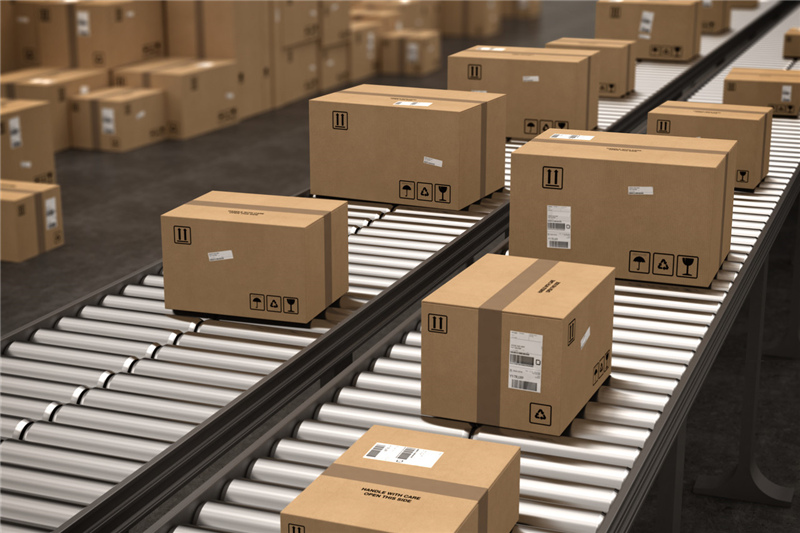
Per tali problemi di scansione mancata, le nuove regole consentono ai venditori di presentare ricorso fornendo prove come il documento ufficiale di presa in consegna timbrato dal corriere, foto della consegna in loco con timestamp chiaro, ecc. Una volta verificato, i punti relativi possono essere rimossi.
Questo meccanismo non solo fornisce ai venditori un ragionevole canale di ricorso, ma, cosa più importante, indirizza l'attenzione dei venditori verso la tracciabilità del processo logistico e la gestione dei documenti.
La piattaforma consiglia ai venditori di confermare proattivamente con i fornitori di servizi logistici terzi il formato standard dei documenti di consegna e di archiviare sistematicamente i registri di ritiro. In particolare per i venditori che utilizzano la modalità di spedizione autonoma, garantire che la catena informativa dal momento in cui il pacco lascia le loro mani fino alla scansione iniziale sia verificabile e documentabile diventerà un compito fondamentale per sfruttare il meccanismo di ricorso ed evitare il rischio di valutazioni errate.
Fonte immagine:Google
Cambiamento nell'orientamento degli indicatori di valutazione: spingere i venditori a consolidare la tempestività nella fase iniziale
È importante notare che, mentre le nuove regole allentano la responsabilità sulla fase terminale, mantengono comunque requisiti rigidi sulla tempestività dell'evasione da parte del venditore nella fase iniziale. Le disposizioni sulla spedizione puntuale e la scansione iniziale entro due giorni lavorativi rimangono invariate.
Inoltre, la piattaforma ha modificato il calcolo del tasso di consegna puntuale: in futuro verranno principalmente considerati la velocità di spedizione controllabile dal venditore e la tempestività della scansione iniziale, mentre i ritardi terminali incontrollabili non saranno più inclusi in questo indicatore.
Ciò significa che la valutazione della piattaforma si concentra maggiormente sull'efficienza della preparazione alla spedizione e del trasferimento logistico da parte del venditore. Il cambiamento di orientamento politico sostanzialmente incentiva i venditori a dedicare più risorse e attenzione gestionale alle fasi iniziali come la gestione del magazzino, l'elaborazione degli ordini e il collegamento efficiente con i corrieri, migliorando il punteggio complessivo consolidando la base di tempestività controllabile.

Fonte immagine:Google
Le strategie dei venditori necessitano di un adeguamento urgente: la selezione e la revisione dei partner logistici sono fondamentali
Di fronte alle nuove regole, i venditori transfrontalieri devono adeguare attivamente le loro strategie operative per cogliere le opportunità e affrontare le sfide. Il compito principale è rivalutare la collaborazione con i fornitori di servizi logistici.
I venditori dovrebbero scegliere partner logistici che operano in modo standardizzato, scansionano tempestivamente e forniscono documenti di consegna standardizzati, e istituire un meccanismo di revisione periodica per monitorare la tempestività e la stabilità della prima scansione.
In secondo luogo, i processi interni devono rafforzare la consapevolezza della gestione dei documenti, garantendo che ogni passaggio logistico sia verificabile, conservando una catena di prove completa per eventuali reclami.
Nel lungo termine, considerando che la prima scansione diventa un elemento vitale della valutazione, i venditori che ne hanno la possibilità possono considerare di ottimizzare la disposizione del magazzino, migliorare l'efficienza di imballaggio e smistamento, e persino esplorare l'integrazione con i sistemi dei corrieri per realizzare un collegamento senza soluzione di continuità tra le informazioni di uscita e la scansione logistica, migliorando fondamentalmente la certezza e la competitività dell'adempimento in fase iniziale.

Fonte immagine:Google
Conclusione
In generale,Questo aggiustamento della valutazione dell'adempimento per TikTok Shop USA è un'evoluzione politica che tiene conto sia dell'equità che dell'efficienza.
Differenziando accuratamente le responsabilità logistiche, allevia i venditori da parte del carico di rischi incontrollabili; allo stesso tempo, rafforzando la valutazione dei tempi di consegna e il meccanismo di reclamo, guida i venditori a migliorare la professionalità della gestione interna e della collaborazione logistica.
Con la maturità crescente delle regole della piattaforma, ci si può aspettare un ecosistema di e-commerce transfrontaliero più sano e più prospero.