 2157
2157インターネット大手の世界は、表面的には技術とビジネスの駆け引きに見えますが、実際には利益と市場シェアを巡る争いです。今回、テクノロジー大手のGoogleが、ポーランドのECプラットフォームAllegro傘下のCeneoから直接提訴されました。市場支配的地位の濫用を非難し、23億3000万ズウォティ(約5億6800万ドル)の賠償を求めています。この国際訴訟は、テクノロジー大手が世界的に直面する反トラスト圧力を浮き彫りにしています。
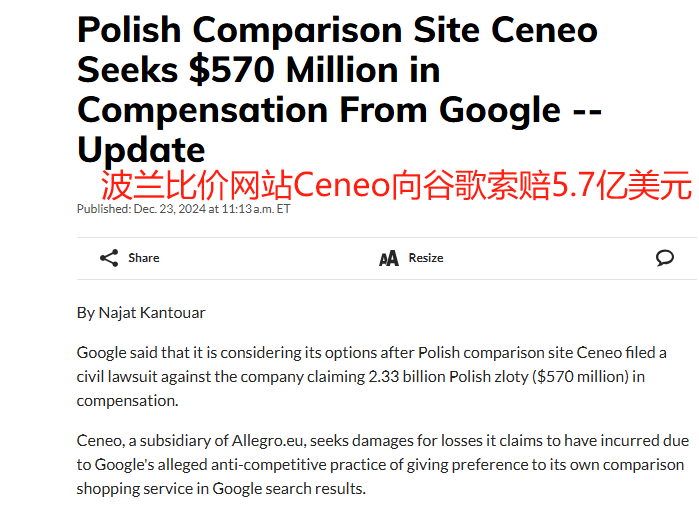
CeneoがGoogleを提訴し、5億7000万ドルの賠償を請求 出典:Market Watch
Ceneoの告発:独占は誰を傷つけたのか?
Ceneoはポーランド最大の価格比較サイトであり、EC分野の重要なプレーヤーです。
ユーザーはCeneoを通じて商品価格を素早く比較し、レビューを確認し、最終的に最もお得な購入先を見つけることができます。しかし、Ceneoの主張によれば、Googleは世界で最も重要な検索エンジンとして、自らの市場支配的地位を利用し、検索結果で自社の価格比較サービスを優先的に表示しており、これがCeneoの市場スペースを直接的に圧迫しています。
これは小さな問題ではありません。Ceneoは訴訟で、Googleの不正競争行為により、2013年から2024年11月までの期間に直接的な経済的損失が17億2000万ズウォティに上り、さらに6億1500万ズウォティの利息が発生したと明確に主張しています。これに加えて、Ceneoはこの23億3000万ズウォティの請求額に対して、Googleが支払いを完了するまで法定利息を追加する計画です。
Googleはこれに同意せず、自社のショッピングソリューションは長年にわたって運営されており、世界中のブランド、小売業者、サードパーティの比較ショッピングプラットフォームを支援することに常に尽力していると主張しています。明らかに、この訴訟は簡単には終結しないでしょう。
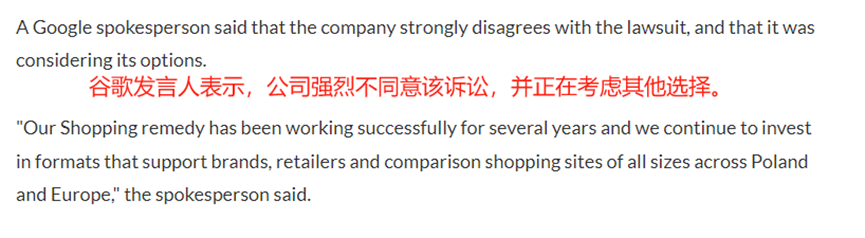
Googleは訴訟に同意しないと表明 出典:Market Watch
Googleの「前科」:独占問題は初めてではない
Ceneoの訴訟は孤立した事例ではありません。実際、Googleは以前から同様の行為で繰り返し反トラストの審判の場に立たされてきました。
早くも2017年には、EUの反トラスト当局がGoogleに記録的な24億2000万ユーロの罰金を科しました。その理由は、Googleが検索結果で自社の比較ショッピングサービスを優先的に宣伝し、競合他社の利益を著しく損なったことです。この訴訟はGoogleに巨額の罰金を支払わせただけでなく、その後の他国の規制当局への参考事例となりました。
最近では、日本の公正取引委員会(JFTC)も、Googleがネット検索サービスにおいて日本の独占禁止法に違反する行為を行ったと判断しました。一方、米国では、司法省がGoogleの検索市場における独占的地位を弱めるために、Chromeブラウザの分離を提案しています。これらの事例は、Googleが世界的にますます大きな規制圧力に直面していることを示しています。
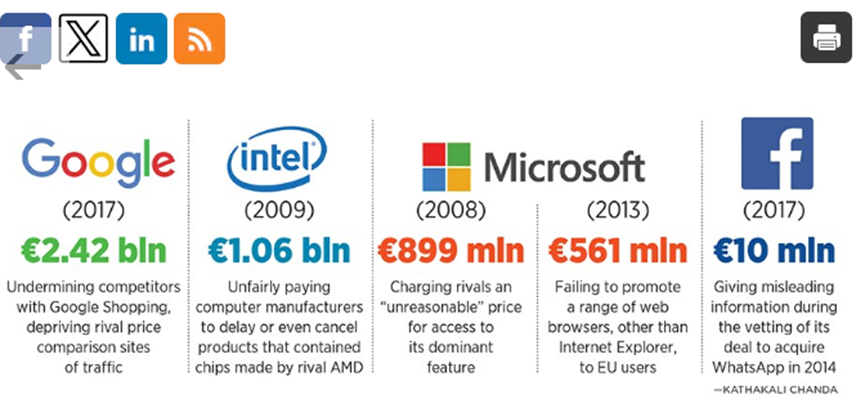
GoogleがEUから24億2000万ユーロの罰金を科される 出典:Forbesindia
ECプラットフォームのアルゴリズム戦争:Googleだけではない
Googleの問題は検索エンジンに集中しているように見えますが、「アルゴリズムが自社製品に偏る」という問題は、世界のEC分野では珍しくありません。
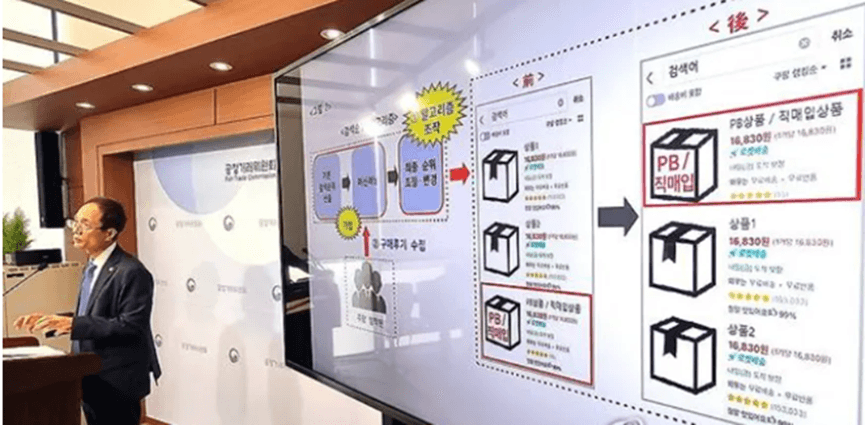
今年6月には、韓国のEC大手Coupangも同様の行為で罰金を科されました。韓国公正取引委員会は、Coupangがアルゴリズムを操作して自社のPB商品の検索順位を上げ、ユーザーの目に「優先的に表示される」ようにしたと告発しました。この行為は不正競争と認定され、Coupangは最終的に1628億ウォン(約8億5000万人民元)の罰金を支払いました。
これらの事例は、共通のビジネスロジックを明らかにしています。プラットフォームは、ユーザーの行動と検索アルゴリズムに対する支配力を利用して、トラフィックを自社のビジネスに誘導し、より多くの利益を得るのです。このような手段は、短期的にはビジネスの成長をもたらす可能性がありますが、市場の公正な競争を損なう恐れがあります。
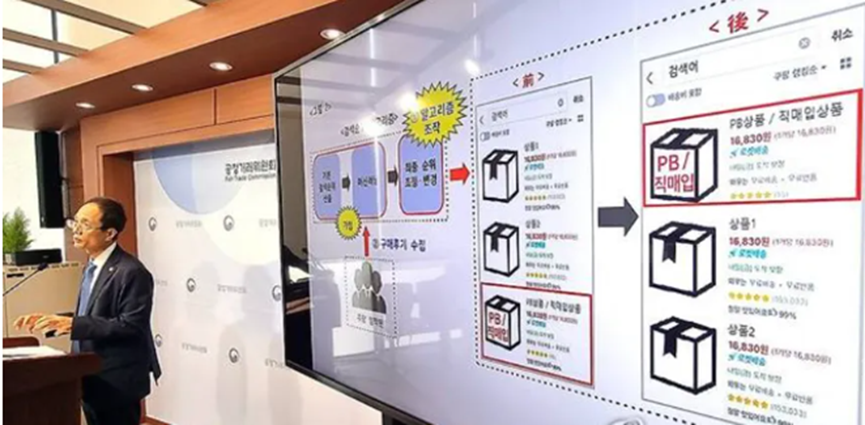
Coupangによる商品ランキング操作 出典:Newsis
結び:反トラストへの道のりはまだ長い
CeneoによるGoogleへの訴訟は、テクノロジー大手が直面する世界的な反トラスト圧力のもう一つの縮図です。少数の大手企業が支配するデジタル経済において、公正な競争は貴重な贅沢品です。Google、Coupang、あるいは市場での地位を利用して競争を抑圧する他の企業であれ、これらの行為の背後には、深層的な問題が反映されています。それは、誰がこれらの多国籍企業を規制するのかということです。
今後、この「独占と反トラスト」の駆け引きはさらに複雑になるでしょう。そして、この訴訟の結果は、世界市場の公正な競争環境にさらなる希望をもたらすかもしれません。