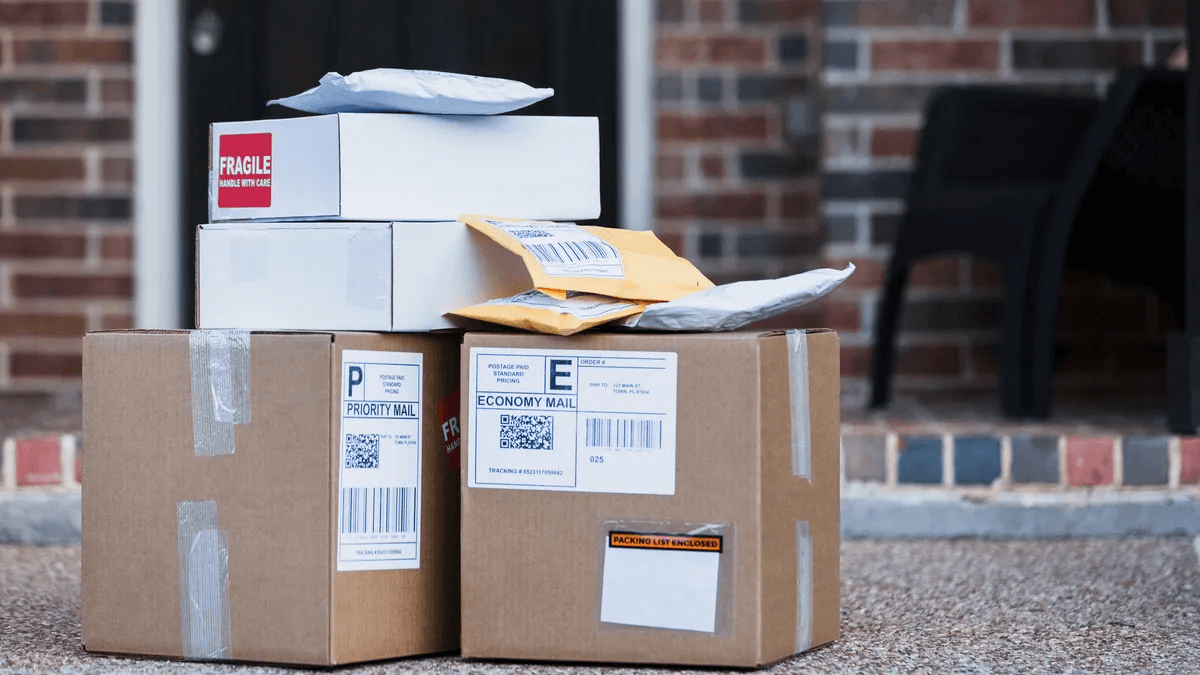
The Christmas season has just passed, the chimes of the New Year have not faded, but the "troubles" for UK retailers are coming one after another.

According to the latest data, after this year's Christmas season, UK consumers are expected to return goods worth a total of about £1.5 billion, equivalent to 67 million returned items soon to flood retailers' warehouses. For businesses, this not only means "shrinking" orders, but also a test of return management.

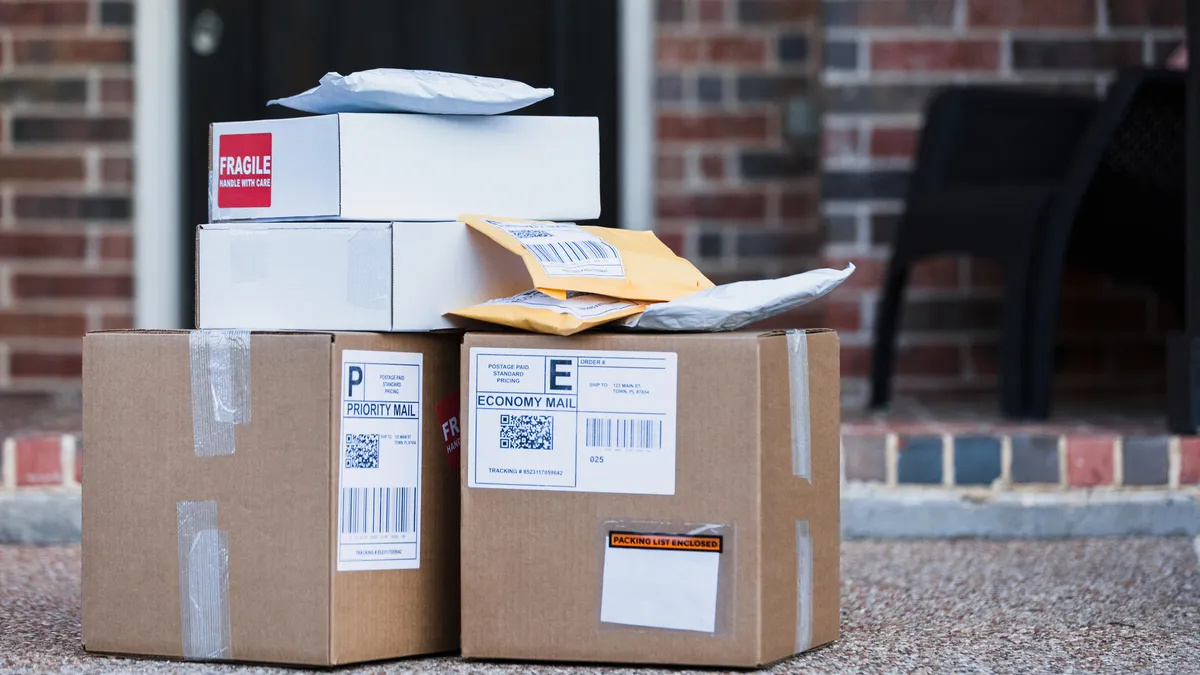
A large number of returns by Britons after Christmas. Image source: ecommercenews.uk

A £1.5 billion return bill: Who is returning? What are they returning?

Christmas gifts are all about "thoughtfulness," but in reality, many gifts may not suit the recipient's taste. Data shows that clothing is the main category for returns, with 42% of consumers choosing to return clothes that don't meet their preferences; shoes follow closely at 21%; cosmetics and jewelry/watches are not spared either, with return rates of 16% and 15% respectively.

Behind the wave of returns, consumers are not without complaints. According to surveys, 39% of consumers complain about slow refund speeds, 33% feel that return policies are unclear and the process is frustrating. Moreover, 40% of consumers explicitly state that if they find returns troublesome from the start, they will simply avoid that store. This undoubtedly makes merchants even more headache—poor return experiences not only damage brand reputation but may also drive away potential customers.

Image source: retaildive

Return costs soar, retailers caught in a dilemma

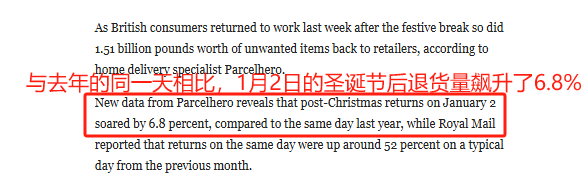
Returns are nothing new, but the concentrated surge in returns after Christmas does put considerable pressure on retailers. UK courier service company Parcelhero revealed that January 2nd became the peak for returns, with the number of return parcels on that day alone increasing by 6.8% compared to the same period last year.

Returns are a tough economic equation for merchants. On one hand, businesses need to bear the costs of return logistics, inspection, and restocking; on the other hand, if they raise the threshold for returns, they may attract negative reviews due to impacting customer experience. An industry report from Parcelhero points out that UK retailers lose up to £60 billion annually due to return issues, with Christmas season returns being a significant part of that.

The situation is especially difficult for small and medium-sized retailers. Lacking the resource advantages of large retailers, they have no choice but to accept returns and bear the costs, even if it means further squeezing their profit margins.

Significant increase in Christmas return parcels. Image source: fashionunited.uk

Different return strategies: strict or lenient?

Faced with the challenge of returns, different retailers have chosen completely different approaches. In the fashion e-commerce sector, raising the threshold for returns has become a common practice. For example, online fashion platform Asos has implemented a new return policy for customers with high return rates: if the return order is less than £40, customers need to pay a £3.95 return fee. This strategy effectively curbs unnecessary returns but may also lead to the loss of some consumers.

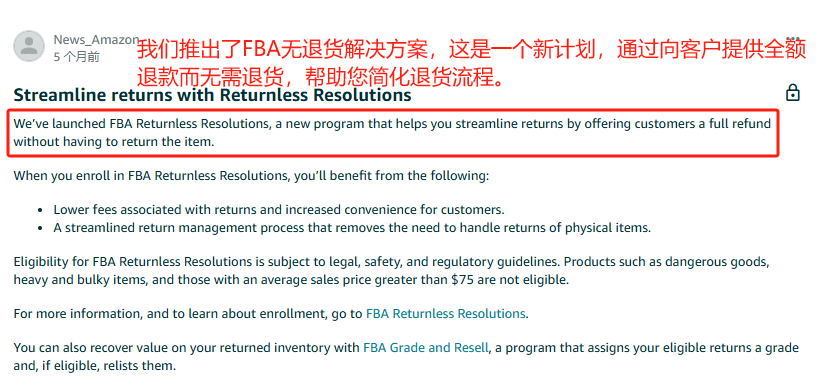
In contrast, giants like Amazon have adopted a more lenient strategy. In 2024, Amazon announced its FBA free return policy, allowing customers to receive refunds for items priced under $75 without having to return the product. This approach not only saves on logistics and labor costs but also improves customer satisfaction.

Both methods have their pros and cons: strict return policies can reduce return rates but may affect the shopping experience; lenient return policies can enhance customer loyalty but pose greater challenges for cost control.

Amazon FBA offers refund-only service. Image source: Amazon Seller Central

Reflections behind the wave of returns

Returns have always been a "tough nut to crack" in the retail industry, especially the concentrated surge after the shopping season, which makes merchants complain even more. How to reduce the return rate without harming the consumer experience may be the key issue that retailers need to ponder.

The wave of returns after Christmas may be a test for the retail industry every year, but in the long run, it is also an opportunity for brands to enhance customer trust and loyalty. How to seize this challenge may be the question retailers need to think about in the new year.