As global e-commerce giants set their sights on the Latin American market, a “beachhead battle” centered around Brazil has quietly begun. As the largest e-commerce market in Latin America, Brazil is becoming a must-win territory for cross-border e-commerce platforms.
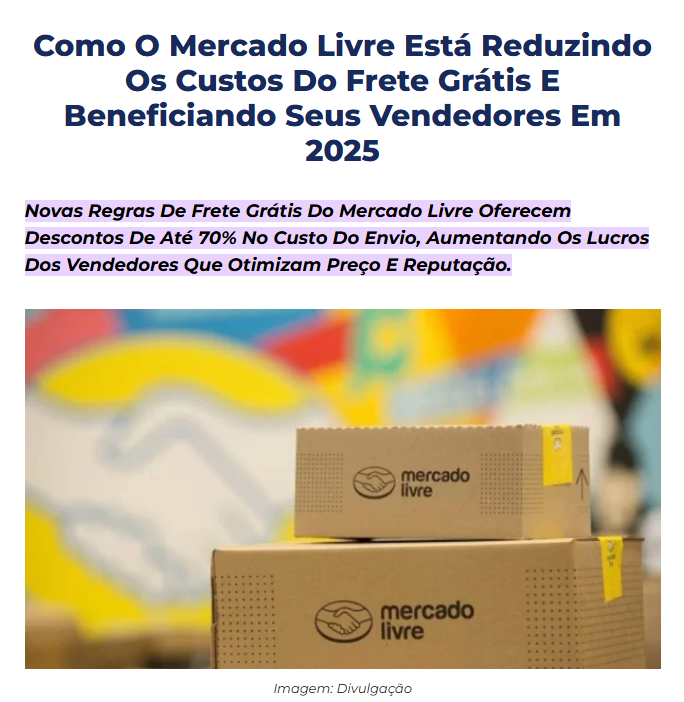
Recently, the veteran giant Mercado Libre launched its “killer” shipping subsidy, announcing up to a 70% shipping discount for non-free shipping items in Brazil. Behind this fierce competition lies the booming and turbulent Brazilian e-commerce market.

Image source: Internet
The “Attack and Defense” Behind the Shipping Subsidy War
According to Mercado Libre’s latest policy, products priced between 79-200 reais (about 100-254 yuan) and weighing less than 30 kilograms are the main targets for subsidies.
The platform will dynamically adjust the discount rate based on store reputation, product value, and other indicators—top sellers can enjoy up to 70% off shipping, while regular sellers can also get a 40% discount.
This strategy directly addresses consumers’ sensitive “free shipping anxiety,” aiming to narrow the gap in logistics experience with competitors.

Image source: universidade marketplaces
This shipping war is no coincidence. According to data from the Brazilian E-commerce Association ABComm, Brazil’s e-commerce sales in 2024 surpassed 204.27 billion reais (about $33.7 billion), a year-on-year increase of 10.5%.
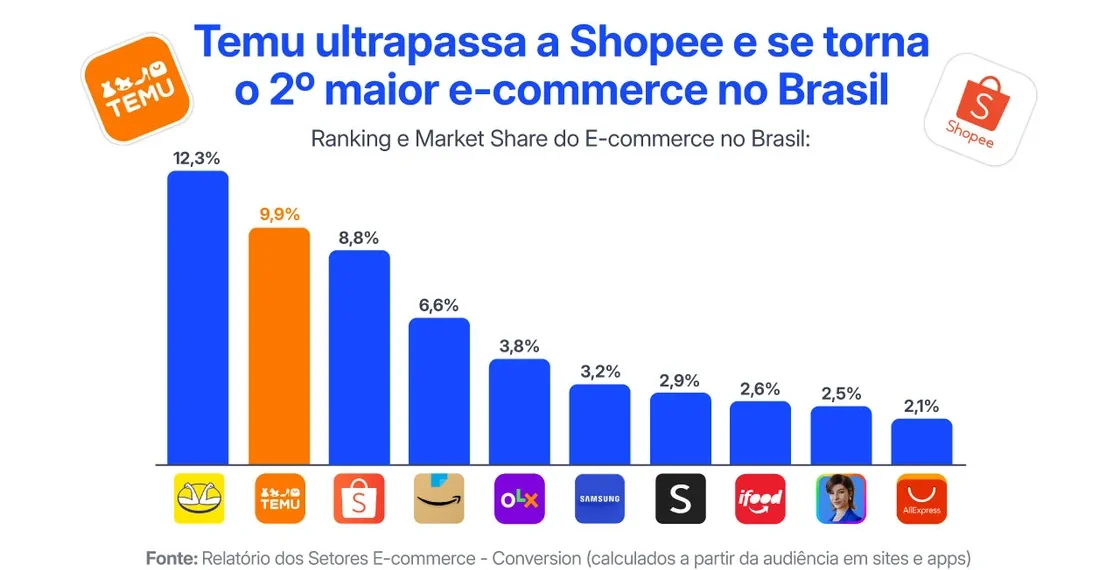
On this fertile ground, Mercado Libre remains number one with a 33% market share, but strong challengers are closing in: Temu surpassed Shopee to become the runner-up in Brazil’s e-commerce app downloads in just half a year, TikTok Shop triggered a traffic frenzy upon its launch at the beginning of the year, and with Amazon and Shein deeply rooted locally, the market landscape is undergoing dramatic changes.

Image source: mercadoeconsumo
The “Arms Race” of Logistics Infrastructure
Subsidizing shipping is just the surface; the real competition lies in the battle for logistics infrastructure.
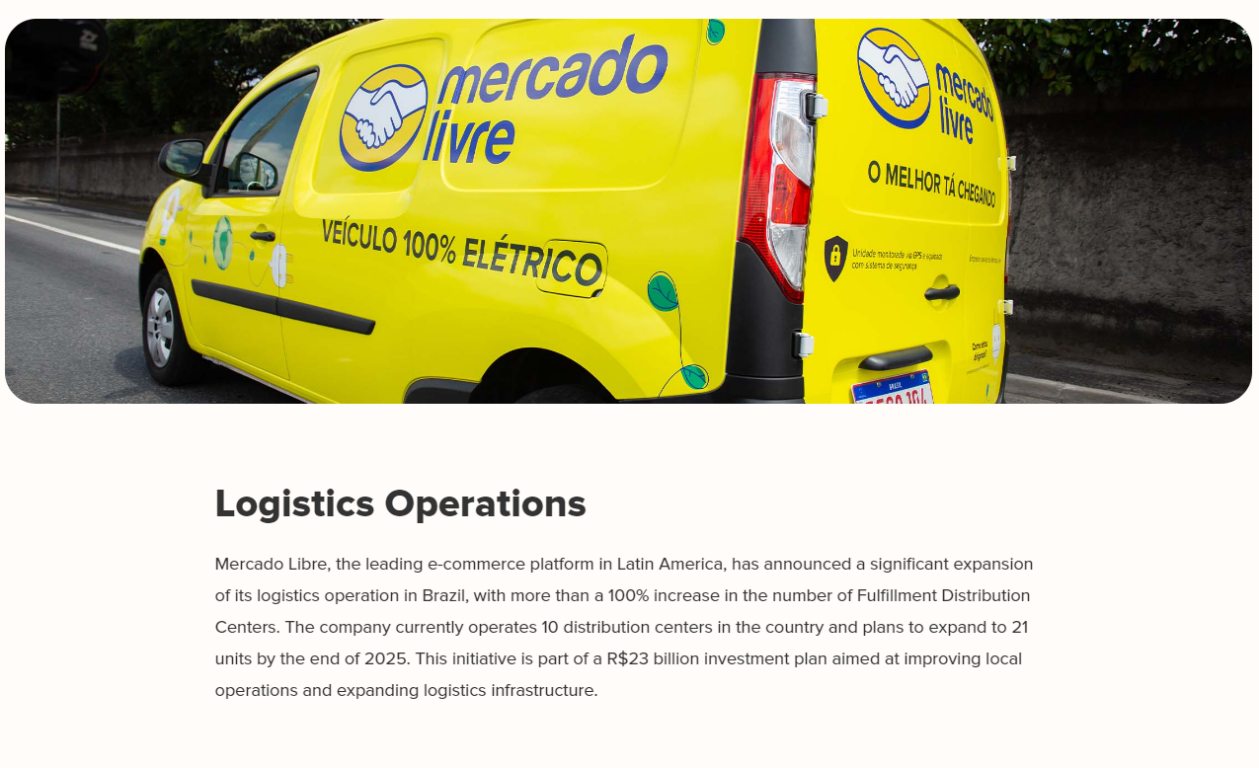
Mercado Libre announced it will expand its distribution centers in Brazil from 10 to 21 by the end of 2024, focusing on strengthening coverage in remote areas such as the Northeast and Midwest.
Its electric vehicle fleet has grown to 3,642 vehicles, including tricycles, motorcycles, and other models adapted to local road conditions, making it the largest private electric vehicle logistics network in Brazil.
Even more impressive is the launch of “same-day delivery” services in core cities like São Paulo, directly raising the standard for delivery speed to a new level.

Image source: mercado libre
Competitors are also making frequent moves:
Shopee’s 12th logistics center in Brazil is about to be completed, Temu’s advertising investment has increased 800-fold year-on-year, and Shein has shortened its delivery cycle to 5 days through a localized supply chain.
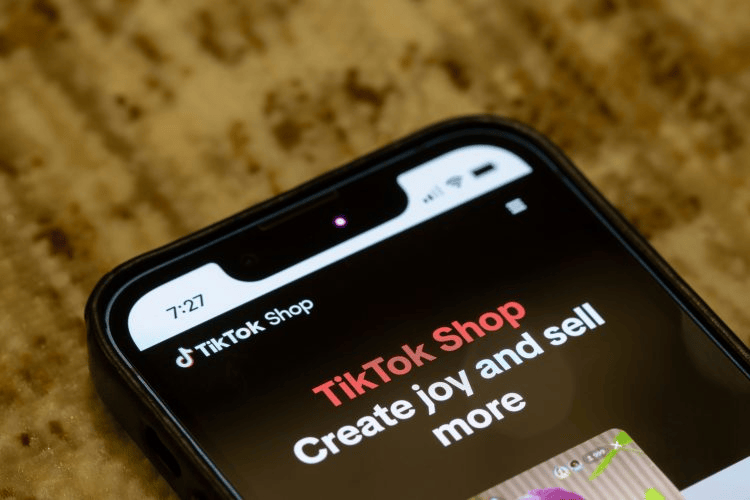
Even TikTok Shop, which has not yet fully launched its efforts, is quietly laying out a new model of “live-streaming sales + instant logistics” based on its 140 million Brazilian users.

Image source: Internet
Latin American E-commerce Enters “Deep Water” Competition
On the surface, shipping subsidies are a routine operation for platforms to attract sellers, but in reality, they mark the entry of Brazilian e-commerce competition into the 2.0 stage. When low-price strategies become the standard for entry, the real contest shifts to supply chain efficiency, localization services, and ecosystem-building capabilities.
For cross-border sellers, the allure and challenges of the Brazilian market are equally real. This emerging market, with a population of 210 million and an internet penetration rate of over 80%, not only offers e-commerce dividends with an annual growth rate of over 10%, but also hides risks such as cultural differences and logistics bottlenecks.

Image source: Internet
With TikTok’s entry into live-streaming e-commerce and Amazon’s adjustment of its Latin American strategy, the battle in Brazil’s e-commerce market will only intensify. For consumers, this competition among giants may bring faster logistics, lower prices, and a truly mature Latin American e-commerce ecosystem.