
 1694
1694
Иногда всеглобальная экспансияЗаниматься бизнесом.Нет необходимости слишком придерживаться традиционных шаблонов и быть ограниченным устоявшимися моделями. Если другие занимаются традиционными категориями, то и ты следуешь за ними. На самом деле, многие новые...изНишевые категории за рубежом скрывают огромный потенциал.егоГолубой океан, полностью стоит попробовать войти.
Возьмем, к примеру, сегмент музыкальных инструментов. Раньше у всех сложилось впечатление, что музыкальные инструменты — это громоздкие и дорогие предметы. Если хочешь научиться играть на пианино, дома нужно не только выделить целое большое пространство для его размещения, но и стоимость остается высокой, что также делает многих любителей музыки,на это естьЛюди, заинтересованные в этом, в конце концов с сожалением отказываются.
Но с потребительским спросомдэС обновлением, сегодня музыкальная индустрия уже претерпела изменения, электронизация и легкость стали основными трендами. Молодые потребители отдают предпочтение новым музыкальным инструментам, которые портативны, имеют привлекательный внешний вид, хорошее соотношение цены и качества, а также привносят геймифицированный интересный опыт.
дляужеТрадиционные музыкальные инструменты, соответствующие предпочтениям молодежи.правильноМедленно трансформируясь в сторону развлекательной цифровой атрибутики, умные музыкальные инструменты также поднялись по течению, став экспортным продуктом.егоНовое веяние.
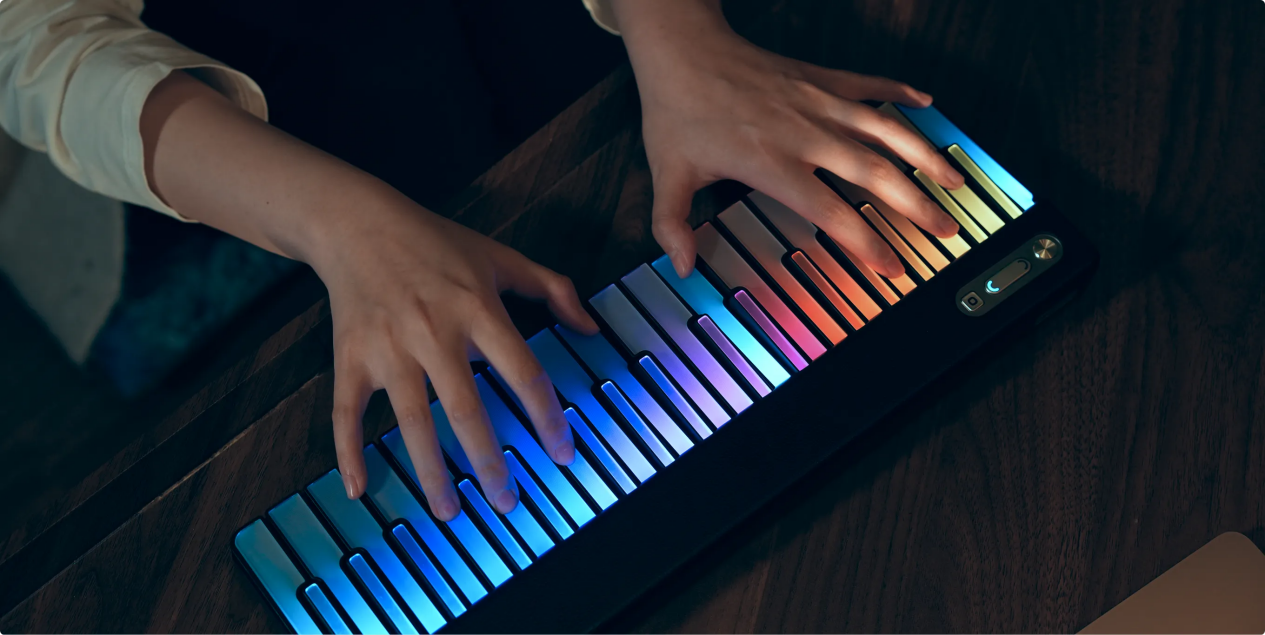
Источник изображенияPopuPiano
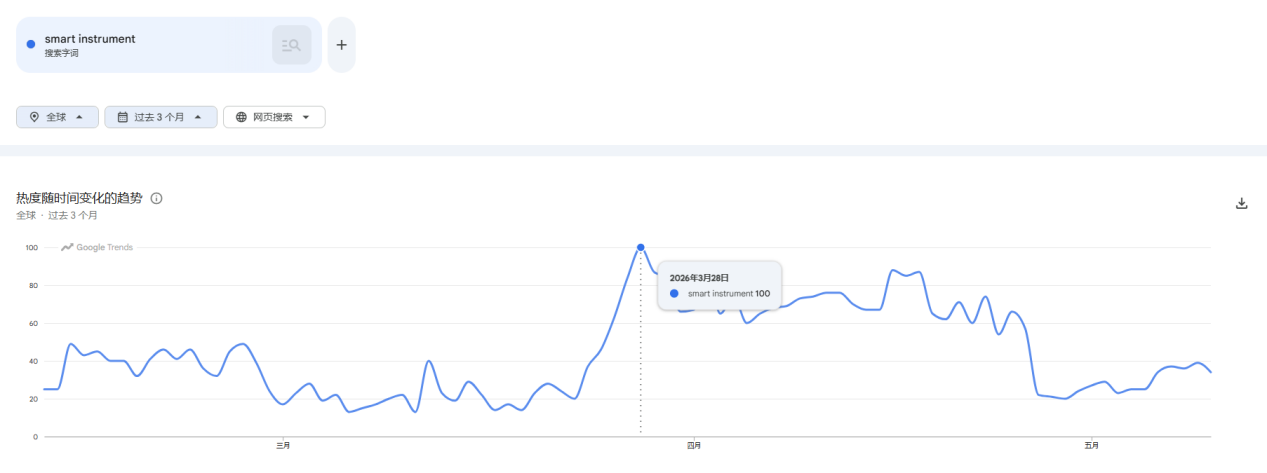
Мы из Google TrendsДанные наглядно показывают:
поискключевого слова «smart instrument (умный музыкальный инструмент)»,ближайшие3месяцевв глобальном масштабепопулярность стабильно держится на уровнедиапазона 40-100;особеннов период с конца марта по конец апреля популярность постоянно росла,максимальныйпик достигужемаксимального балла, что свидетельствует о значительном потенциале развития умных музыкальных инструментов на мировом рынке.
Источник изображения:Google Trends
Кроме того, соответствующие авторитетные организации такжеподтвердили взрывной рост этого направления рыночными данными。
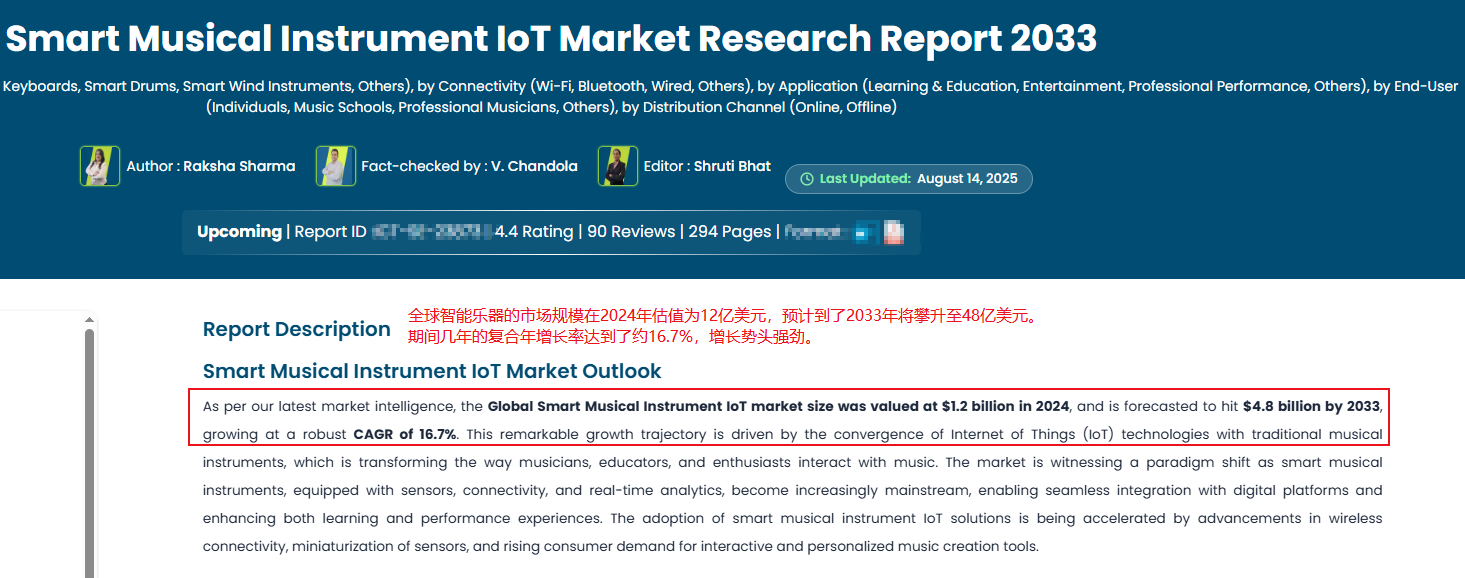
Согласноданным последнего рыночного отчета marketintelo:
глобальных умных музыкальных инструментоврынокобъем которогов 2024 году оценивается в 1,2 миллиарда долларов, а к 2033 году, по прогнозам, вырастет до 4,8 миллиарда долларов, за эти годыСовокупный годовой темп ростасоставляет16,7%, тенденция роста очень сильная.
Источник изображения:marketintelo
Китай, будучи крупнейшим в мире производителем музыкальных инструментов и вторым по величине потребительским рынком, также породил множество ведущих брендов на пути выхода интеллектуальных музыкальных инструментов за рубеж.
То, о чем мы расскажем сегодняPopuPiano, и является одним изэталонным представителем。
Далее мыпосмотрим вместе, как этот бренддостигаетгодовых продаж более 100 млн,и прочно занял лидирующие позиции на международном рынке потребительских интеллектуальных музыкальных инструментов.

Источник изображения:PopuPiano
Бросив учебу на магистерской программе по финансам, начал бизнес, превратив музыкальные инструменты в«игру»
Согласно открытым данным,PopuPiano - это бренд, принадлежащий компании Beijing Shigan Technology. Его основатель, господин Чжан, родился в 90-х годах и бросил учебу во время магистерской программы по финансам в UC San Diego, чтобы начать свой бизнес.
Итак, почему дилетант с финансовым образованием решил переключиться на музыкальную индустрию и как он изменил традиционный трек музыкальных инструментов?
В то время традиционные музыкальные инструменты страдали от высоких цен, высокого порога входа и длительного периода обучения, из-за чего многие любители с нулевым уровнем часто бросали занятия наполовину. Основатель господин Чжан как раз заметил эту рыночную боль и решил превратить скучное обучение музыке в игровой увлекательный опыт.
Поэтому с самого основания бренд нацелился намолодых людей от 15 до 30 лет, стремясь дать возможность даже людям без музыкального образования быстро освоить инструмент.
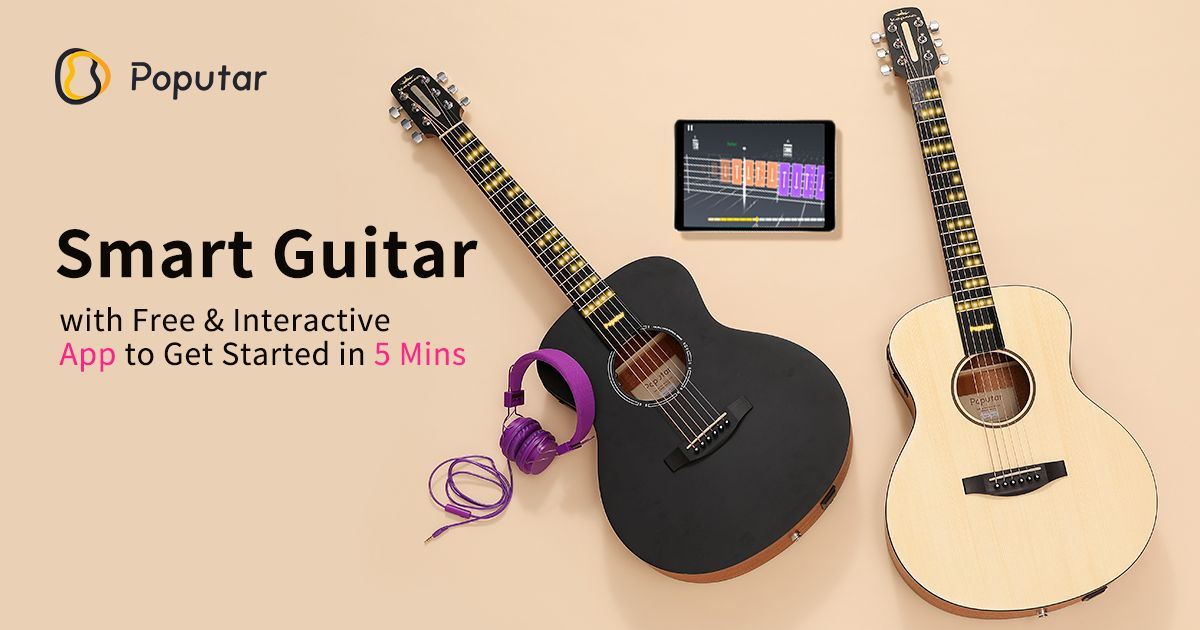
В 2015 году материнская компания Shigan Technology была официально основана, и в том же году был выпущен первый продукт - умная гитара Poputar. Продукт упростил сложную технику игры до световых подсказок, что сделало его легким в освоении. Как только он появился на рынке, он быстро стал популярным, привлек внимание большого числа пользователей и получил ангельское финансирование в размере 6 миллионов юаней от фонда ZhenFund.
Источник изображения:Google
В 2016 году компания Shigan Technology顺势 выпустила Populele — умную укулеле. Всего за 12 часов краудфандинга было продано 6000 штук, что стало рекордом в отрасли.
В 2017 году компания завершила раунд A финансирования на сумму 12 миллионов юаней, возглавленный Xiaomi Technology, Shunwei Capital и другими инвесторами, что официально ускорило темпы масштабирования бренда.
В период с 2018 по 2021 год компания Shigan Technology продолжала углублять экосистему, одновременно сосредоточившись на разработке интеллектуальных клавишных инструментов.
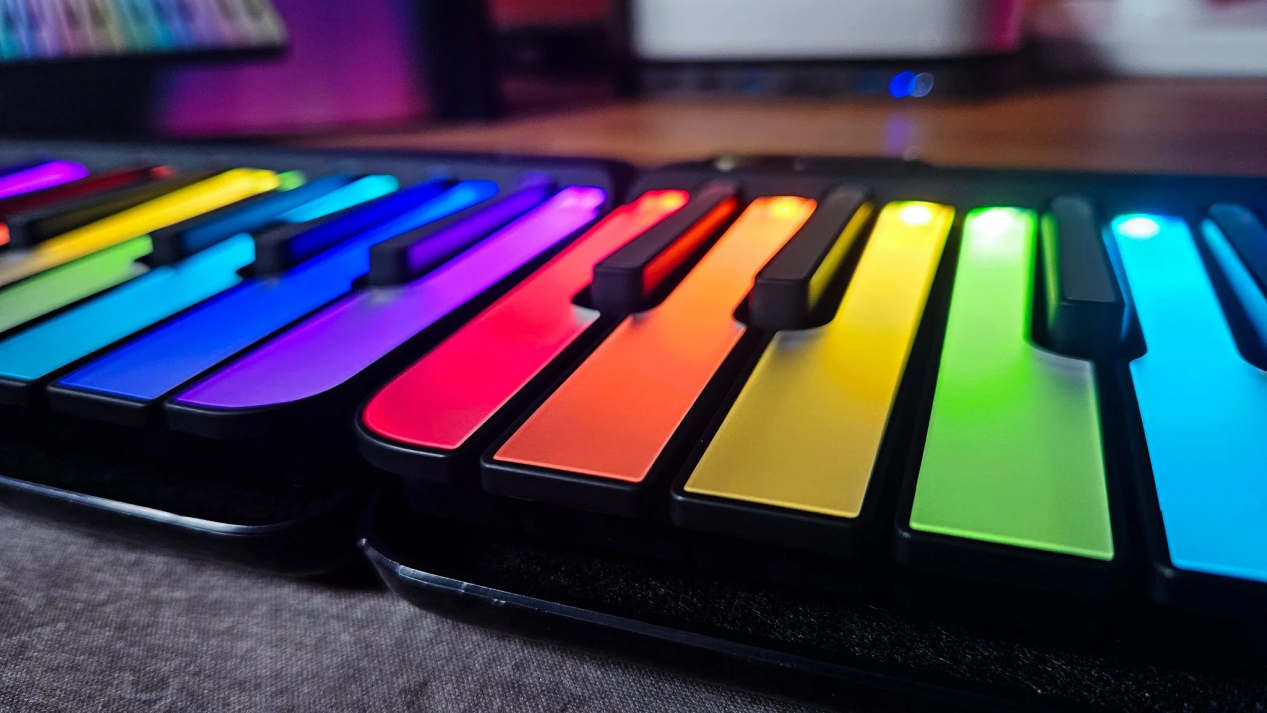
ВВ 2022 году бренд PopuPiano, входящий в компанию, был впервые представлен и вышел на зарубежную краудфандинговую платформу Indiegogo. Продукт использовал конструкцию с 29-клавишной основной клавиатурой и 6-клавишным аккордным магнитным модулем.
Всего за месяц после запуска было собрано почти580 000 долларов США (примерно 3,99 миллиона юаней), получена поддержка 2086 зарубежных пользователей, и бренд успешно закрепился на зарубежном рынке.
Источник изображения:Google
Не класть все яйца в одну корзину — освоить все каналы онлайн и офлайн.
Если сравнить рост бренда с пирамидой, то сила продукта — это фундамент пирамиды, основная основа долгосрочного положения бренда.
Но только упорная работа над продуктом и отстаивание технологий недостаточны. Полноценное распределение каналов онлайн и офлайн — вот ключ к постоянному росту и стабильному расширению бренда.
PopuPianoБрендглубоко осознал эту логику и заранее завершил онлайн、офлайнвсестороннеепланирование.
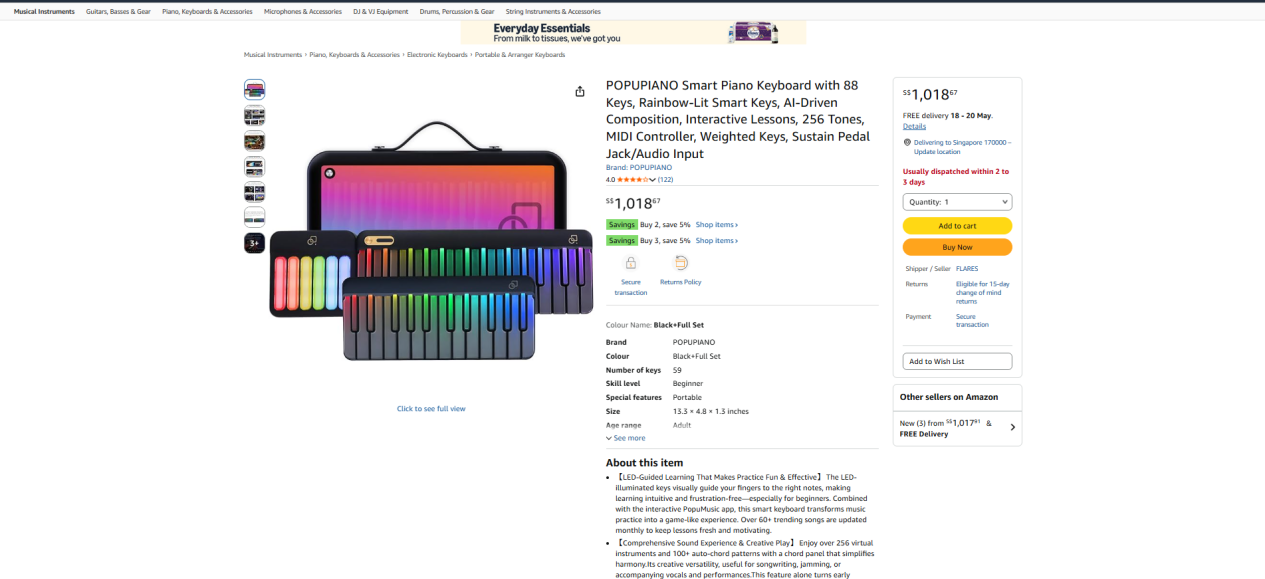
В части онлайн,PopuPiano последовательно зарегистрировался наужеAmazon, Walmart,Ubuy и другие основные зарубежные интернет-магазиныплатформы, с Amazon в качестве основной площадки, ориентируясь наДва основных преимущества: обучение с подсветкой LED и сопутствующее приложение для начинающих с нуля, опираясь на реальные отзывы пользователей для естественной конверсии.
Источник изображения: Amazon
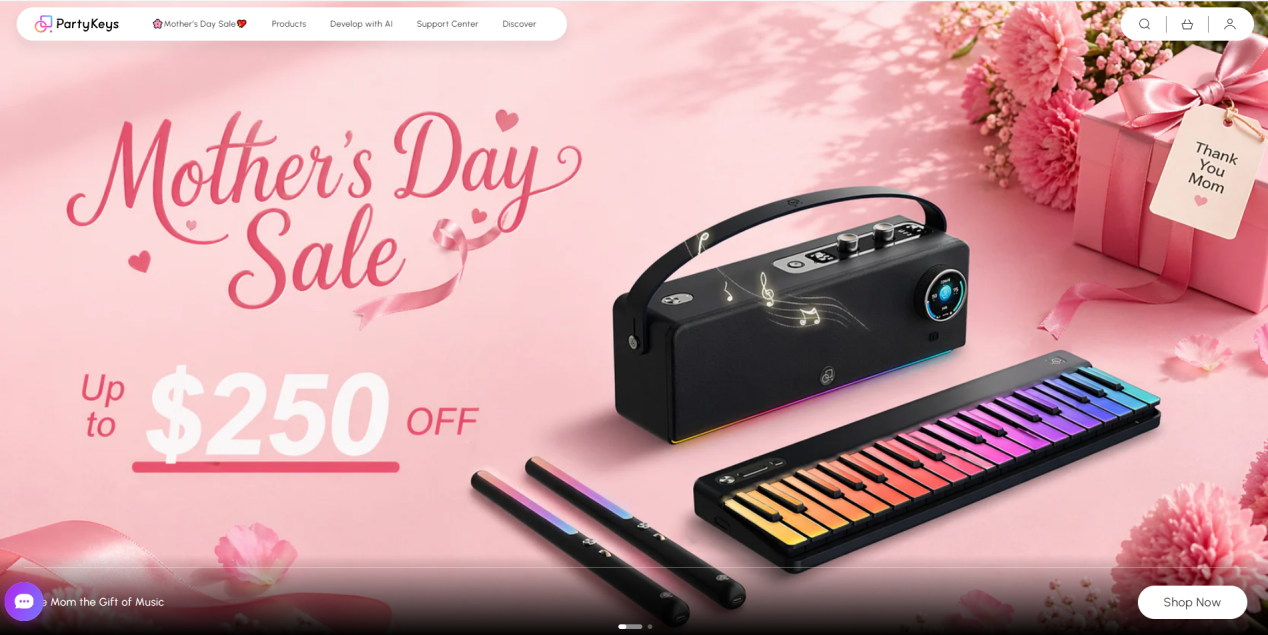
В то же время,брендтакжесоздалужеофициальныйиззарубежный независимый сайт, который позволяет удерживать пользователей частной области, повышать премиум бренда, а также избегать правил и рисков ограничения трафика сторонних платформ.
Кроме того,Через профессиональнуюSEO-оптимизацию макета, чтобы точно перехватывать поисковый трафик в категории умных музыкальных инструментов, позволяя целевым заинтересованным пользователям сразу же связаться с брендом,такжедальнейшее повышениеужеконверсии и удержания пользователей.
Источник изображения:PopuPiano
Офлайн-каналы также многонаправленно развиваются,Бренд открывает фирменные магазины в ключевых городах Северной Америки, таких как Лос-Анджелес, Нью-Йорк, предоставляя возможность попробовать продукты лично, консультации по музыкальным курсам, усиливаяужевосприятие бренда как веселого, легкого в обучении и дружелюбного для новичков.
Кроме этого,такжеНапрямую сотрудничать с североамериканскими местными розничными продавцами музыкальных инструментов, цифровыми сетевыми магазинами, широко развернуть офлайн-торговые точки, полностью охватить основные офлайн-сценарии потребления.
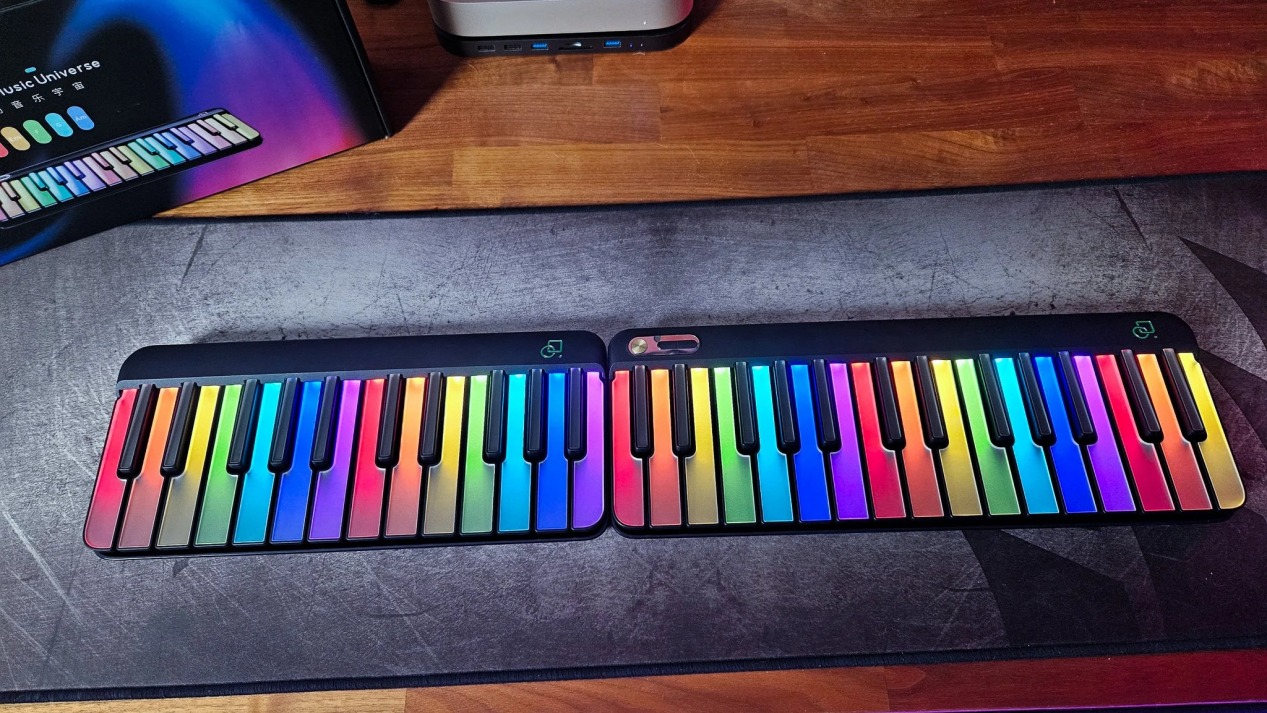
Данные показывают,в2024 году,PopuPianoдэобщий объем продаждостигпочти1 миллиард юаней,ужевырос в темную лошадку на треке экспорта умных музыкальных инструментовглавный продавец, являетсяосновным источником дохода Shigan Keji.
Источник изображения:Google
Используя социальные сети, привлечь миллионы трафика с помощью иммерсивного пения и игры на музыкальных инструментах
Конечно, чтобы охватить больше потенциальных пользователей за рубежом и осуществить конверсию, бренды не могут обойтись без качественного контента и распространения трафика.
PopuPiano нацелился на социальные платформы, собирающие новое поколение, такие как TikTok, сосредоточился на контент-маркетинге, постоянно увеличивая известность бренда за рубежом.
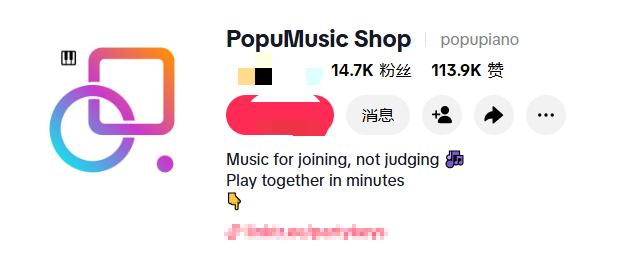
вTikTok аккаунт бренда @PopuMusic Shop уже набрал 14.7 тысяч подписчиков, общее количество лайков аккаунта достигло 113.9 тысяч.
Источник изображения:TikTok
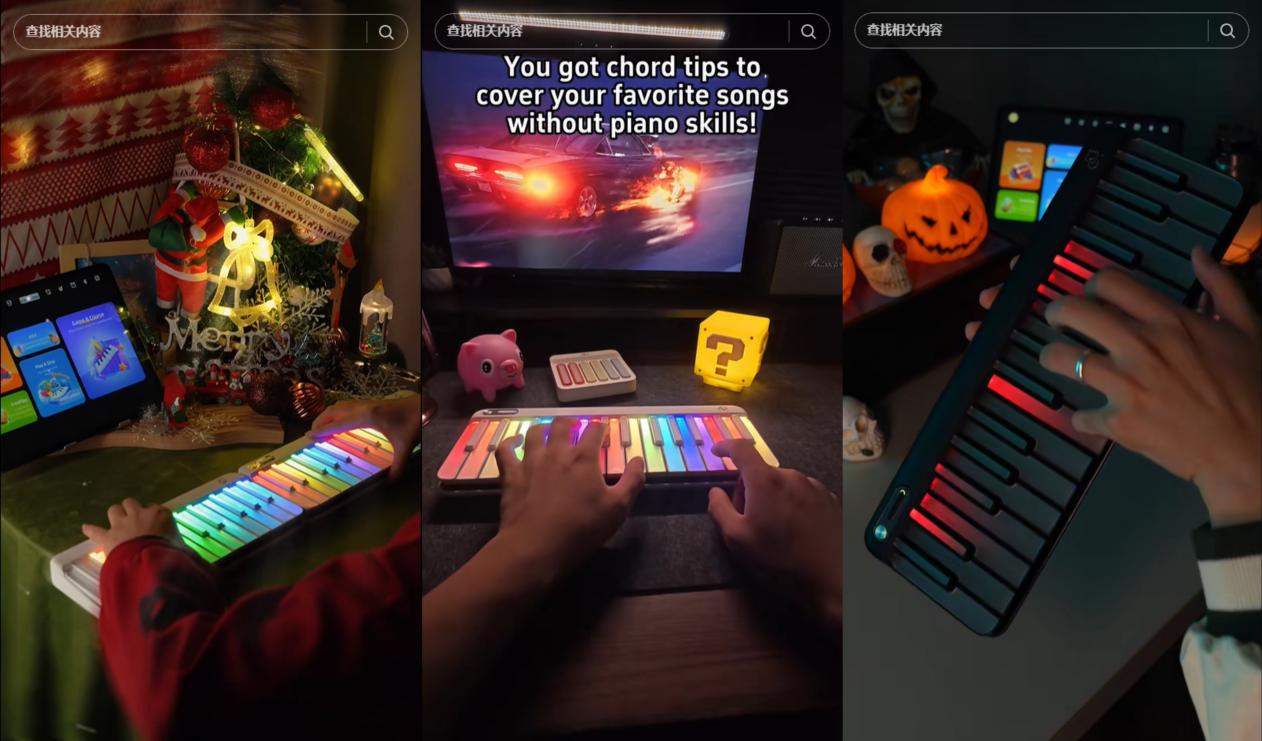
Публикуемый контент всегда сосредоточен на ключевом преимуществе — легкость освоения без музыкальной теории, демонстрация реальной игры на инструменте в различных сценариях (в помещении и на открытом воздухе).
В то же время используются популярные зарубежные праздники, такие как Рождество, Хэллоуин, для создания тематического контента, соответствующего местной атмосфере, чтобы привлечь интерес пользователей и постепенно углубить восприятие потребителями бренда и продукта.
Источник изображения:TikTok
Ведение собственного аккаунта — лишь часть стратегии бренда,PopuPiano также тесно сотрудничает со многими музыкальными инфлюенсерами TikTok, используя их влияние для выхода за пределы своей ниши.
Например, имеющийМузыкальный блогер @EMMY с 1,3 миллиона подписчиков неоднократно снимал рекламные короткие видео для бренда PopuPiano. Контент в основном включает живые выступления с пением и игрой, с реальными инструментами и популярными треками, что естественно привлекает внимание пользователей.
Источник изображения:TikTok
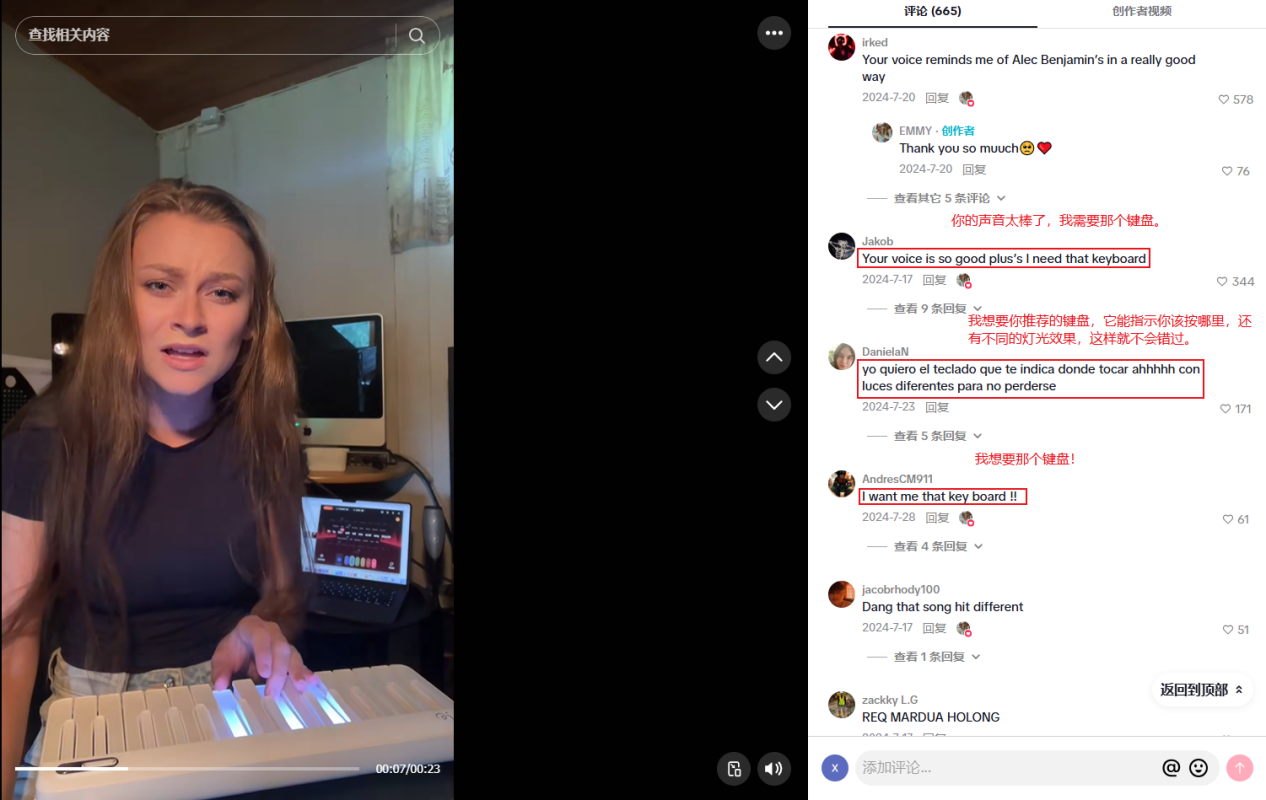
В одном из совместных вирусных видео@EMMY играет на умной клавиатуре PopuPiano и одновременно исполняет популярный сингл Jp Saxe и Julia Michaels «If the World Was Ending».
На данный момент количество просмотров этого продающего видео достигло1,3 миллиона, а также 123 тысячи лайков, что дало очень яркий эффект выхода за пределы аудитории.
В комментариях многие пользователи писали, что тронуты исполнением. При этом, оценив преимущества умной клавиатуры — простоту использования и понятные световые подсказки, некоторые пользователи выразили желание купить:
«Твой голос потрясающий, мне нужна эта клавиатура.»
«Я хочу клавиатуру, которую ты рекомендовал, она показывает, куда нажимать, и имеет разные световые эффекты, чтобы не промахнуться.»
«Я хочу эту клавиатуру!»
Нетрудно заметить, что такой аутентичный контент с реальным использованием и погружающим исполнением песен может и тронуть любителей музыки, повысить вовлеченность, и наглядно продемонстрировать ключевые преимущества продукта, незаметно подталкивая пользователей к покупке, обеспечивая эффективную конверсию.

Источник изображения:TikTok
Зарубежный сектор умных музыкальных инструментов находится в периоде расцвета, сейчас еще не поздно войти.
ИзТраектории роста PopuPiano нетрудно заметить, что спрос на бытовые электронные умные музыкальные инструменты за рубежом, особенно в Европе и США, быстро растет. Молодежь предпочитает инструменты с низким порогом входа, интеллектуальные и привлекательные внешне, что открывает широкие возможности для замены таких продуктов.
Китай изначально является крупнейшим в мире производителем музыкальных инструментов, с глубокими наработками в цепочках поставок и интеллектуальных технологиях. При выходе на международный рынок не обязательно толпиться в сфере одежды,3C, товаров для дома и других «красных» рынков, такие нишевые категории, как умные музыкальные инструменты, представляют собой недооцененную «голубую» возможность.
Сейчас наПри поддержке таких соцсетей, как TikTok, если продукт дифференцирован и каналы продвижения точны, новые товары легко могут быстро набрать обороты.
Для китайских экспортеров сейчас самое время углубленно изучать зарубежные нишевые потребности, используя силу продукта и контента для захвата прироста. Зарубежный рынок велик и толерантен, и по-настоящему редким никогда не был сам рынок, а дифференцированные качественные продукты.