
 2241
2241Die Herausforderungen der heimischen Baby- und Kleinkindbranche
Im Jahr 2023 sank die Zahl der Neugeborenen in China auf 9,02 Millionen, den niedrigsten Stand seit der Gründung der Volksrepublik. Ein erheblicher Anteil dieser Neugeborenen sind Zweit- und Drittkinder.
Bekanntlich ist die Baby- und Kleinkindbranche am stärksten von der Anzahl der Neugeborenen abhängig, insbesondere von Erstgeborenen. Denn das erste Kind wird stets mit größter Sorgfalt umsorgt; bei den folgenden Kindern, dem zweiten und dritten, ist man erfahrener, schenkt ihnen aber weniger Aufmerksamkeit als dem ersten. Dies spiegelt die hohe Kaufkraft und den kommerziellen Wert der Erstgeborenen-Eltern wider.
Im Vergleich zum Rekordjahr 1962 mit 28,13 Millionen Neugeborenen ist die Zahl der Neugeborenen in 60 Jahren um eine Bevölkerungszahl gesunken, die der von zwei Singapur entspricht. Dies stellt die Baby- und Kleinkindbranche zweifellos vor eine enorme Herausforderung.
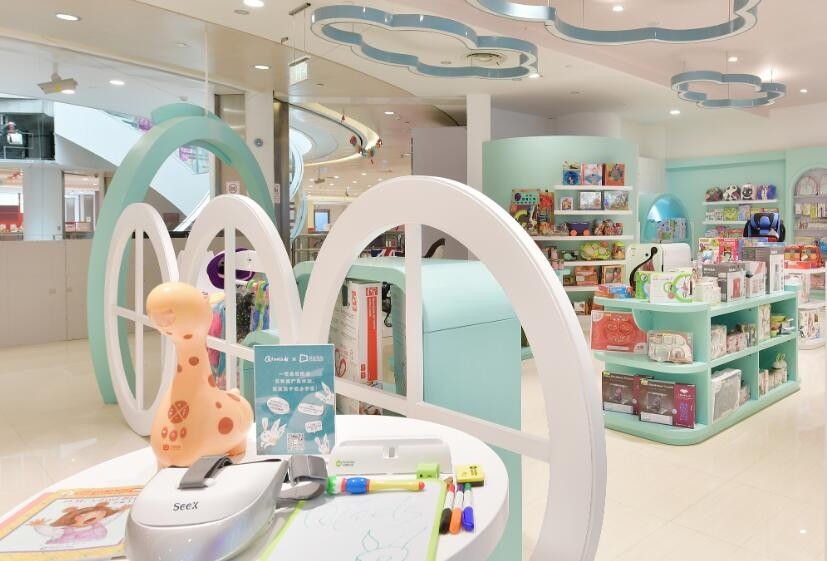
Viele stationäre Babyfachgeschäfte haben bereits ihr Sortiment geändert und sind zu Tierbedarfsläden geworden, während Marken, Händler und Fabriken der Babybranche einem noch größeren Anpassungsdruck ausgesetzt sind.
Eine neue Richtung suchen: Cross-Border E-Commerce
In diesem Szenario wird der Wettbewerb auf dem heimischen Markt immer intensiver. Die Kosten für die Entwicklung von nachgelagerten Händlern oder die Suche nach weiteren Online-Kanälen sind hoch, bei begrenzter Wirkung. Im Vergleich dazu ist der Cross-Border E-Commerce, einschließlich, aber nicht beschränkt auf TikTok, zu einem neuen "Trend" geworden.
Wie Lei Jun auf einer Pressekonferenz sagte: "Ohne den perfekten Zeitpunkt und den richtigen Trend ist es schwer, Großes zu schaffen."
TikTok ist für viele traditionelle Fertigungsunternehmer und inländische Händler zu einem wichtigen Kanal für die Transformation geworden. Viele inländische Handelsunternehmen haben es dank ihres scharfen Gespürs für neue Kanäle auf TikTok mühelos auf einen Jahresumsatz von mehreren zehn Millionen Yuan gebracht.
Darüber hinaus sind die Retourenquoten im Cross-Border E-Commerce viel niedriger als im Inland, die Gewinnmargen höher und die Risiken geringer.
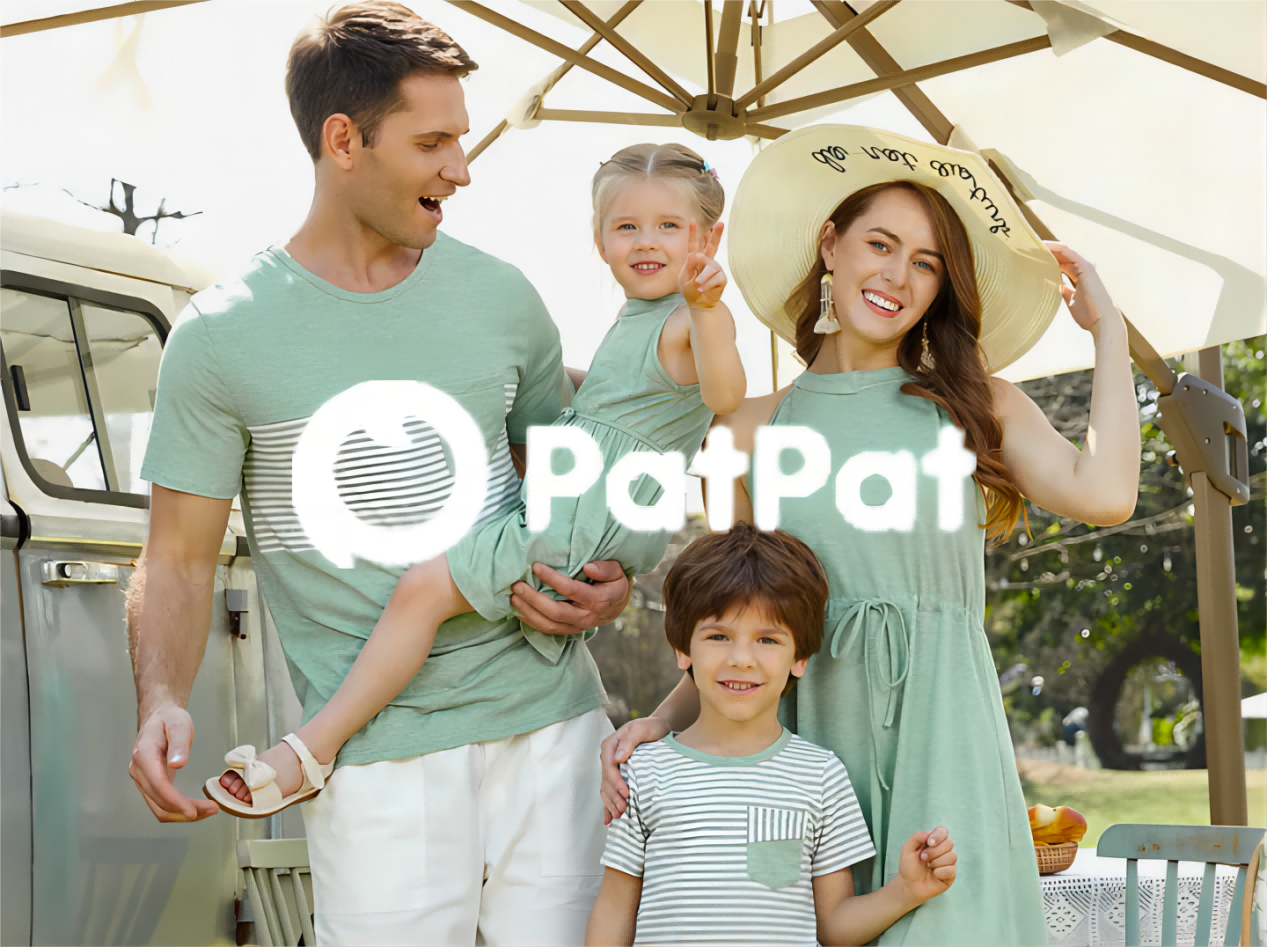
Ein Beispiel ist die 2014 gegründete Marke "PatPat". Diese Kindermodemarke identifizierte einen Schmerzpunkt auf dem US-Markt – geringe Auswahl, hohe Preise – und gewann durch hochwertige, preiswerte Kinderbekleidung die Gunst der Verbraucher. Heute hat PatPat über 30 Millionen Nutzer, sieben Finanzierungsrunden erhalten und ist zur weltweit größten DTC-Kindermodemarke geworden.
Darüber hinaus gibt es neben Baby- und Kleinkindmarken auch Beispiele für Fabriken, die durch ihre Transformation im Ausland erfolgreich waren.
Zum Beispiel die 2012 gegründete Marke Cheerful Mario / 幸福玛丽.

Cheerful Mario (幸福玛丽) ist eine aus Shanghai stammende Marke, die sich auf Kinderschuhe spezialisiert hat. Seit ihrer Gründung widmet sie sich dem Design, der Entwicklung, dem Verkauf und der Produktion von Sandalen, Hausschuhen, Lauflernschuhen und Schneestiefeln für Kinder von 0-6 Jahren.
Aufgrund des nahezu gesättigten heimischen Marktes entschied sich Cheerful Mario bereits 2014 für den Markteintritt in Südostasien. Damals machten die junge Bevölkerungsstruktur, das noch unreife Industriesystem und der riesige Konsummarkt Südostasien zu einem vielversprechenden blauen Ozean.
Nach jahrelanger Entwicklung hat Cheerful Mario durch standortgerechtes Produktdesign und ein ausgereiftes Modell der Zusammenarbeit mit lokalen Händlern seinen Lokalisierungsprozess beschleunigt und es erfolgreich an die Spitze der Shopee-Kinderschuhkategorie geschafft.
Nach dem Eintritt von TikTok in Südostasien ließ Cheerful Mario diese neue Social-Media-Möglichkeit nicht ungenutzt, sondern vermarktete sich aktiv, um seine Markenbekanntheit zu steigern.
Derzeit ist Cheerful Mario auf allen TikTok Shop-Standorten in Südostasien vertreten und hat ein Auslandslager in Indonesien eingerichtet, um das Bestellerlebnis für Kunden und Händler in Südostasien weiter zu optimieren.
Gleichzeitig fördert Cheerful Mario weiterhin den stationären Groß- und Einzelhandel und behält eine Verkaufsstruktur bei, die Online als Hauptkanal und Offline als Ergänzung nutzt.
Laut Daten von EchoTik betrug der Umsatz des TikTok Shop-Kontos von Cheerful Mario auf den Philippinen im letzten Monat 270.000 US-Dollar.

Es gibt noch viele weitere Marken in der Baby- und Kleinkindbranche, die auf diese Weise erfolgreich ins Ausland expandiert und mit Hilfe von TikTok beachtliche Umsätze erzielt haben. Beispiele sind die Babyartikelmarke Tushbaby, die New-Retail-Marke MAKUKU, die Kindermodemarke Cat Daddy und die Bekleidungsmarke Xiong Enbei. Sie alle haben das Wesen des Marktes und die Chancen erkannt und sich dafür entschieden, über TikTok einen anderen Weg einzuschlagen.
Die Zukunft der Baby- und Kleinkindbranche: Chancen im Cross-Border E-Commerce
Mit der Umsetzung der neuen Geburtenpolitik könnte der chinesische Markt für Baby- und Kleinkindprodukte eine gewisse Wende erfahren. Angesichts von fast 8 Millionen Unternehmen, die um etwas mehr als 9 Millionen Neugeborene konkurrieren, bleibt das Problem des "Verdrängungswettbewerbs" jedoch gravierend. Um wirklich einen Ausweg zu finden, ist der Gang ins Ausland die einzige Wahl.
Die TikTok-Plattform bietet der Baby- und Kleinkindbranche nicht nur neue Wachstumsimpulse, sondern kann Marken durch ihren einzigartigen Algorithmus und ihre Nutzerbasis auch dabei helfen, präzises Marketing und eine effiziente Konversion zu erreichen.
So startete beispielsweise die Milchpulvermarke Enfa auf TikTok die Hashtag-Challenge #DanceWithYourBaby, die eine hohe Popularität von fast 400 Millionen erreichte und die Markenbekanntheit erheblich steigerte.


Cross-Border E-Commerce, insbesondere TikTok, eröffnet Baby- und Kleinkindmarken sowie Fabriken neue Chancen. Durch flexible Strategien und ein scharfes Gespür für den Markt kann die Baby- und Kleinkindbranche auf den Überseemärkten neues Leben gewinnen.