 556
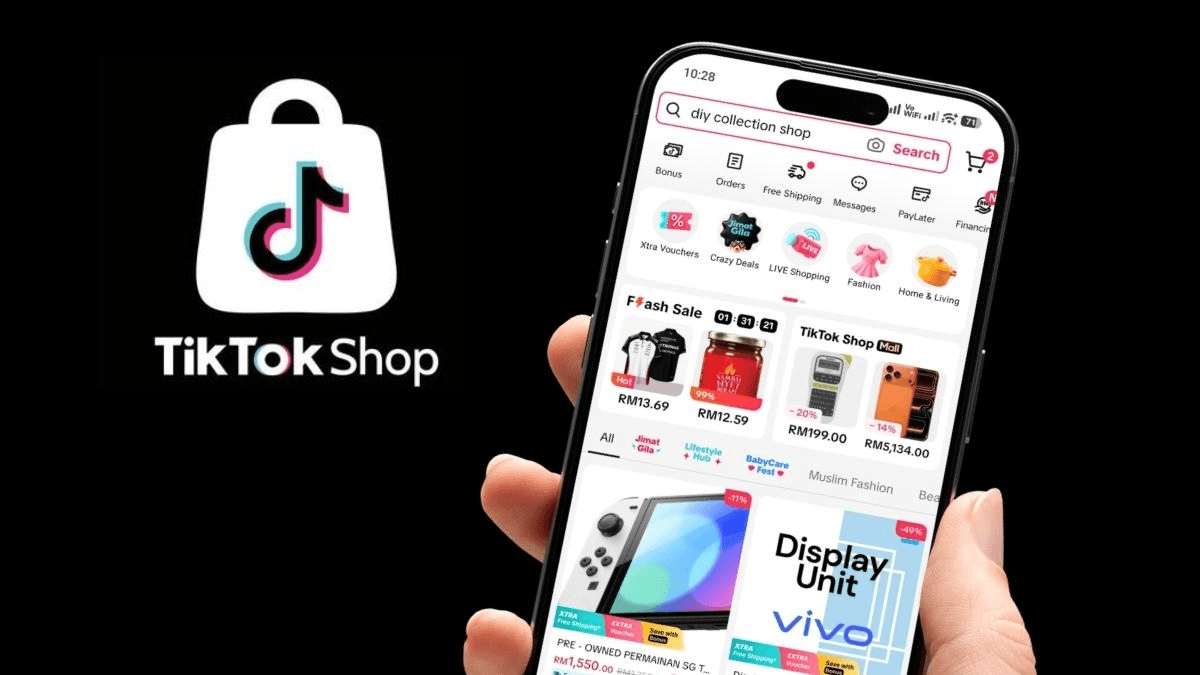
Recently, a commission adjustment notice for TikTok Shop Malaysia stirred up considerable discussion among cross-border sellers and local merchants.
According to official rules, starting at midnight on October 31, the commission rate for skincare and personal care categories will increase to 14.04%, while makeup and fragrance categories will be adjusted to 14.58%; both have the same increase of 3.24 percentage points.
In contrast, five categories—baby feeding products, medical consumables, feminine hygiene products, nasal and oral cleaning products, and over-the-counter medicines—will instead see rate reductions, with decreases ranging from 1.84 to 2.92 percentage points.
With one increase and one decrease, the platform's intentions are intriguing, while beauty sellers have to face changes in their cost structure head-on.
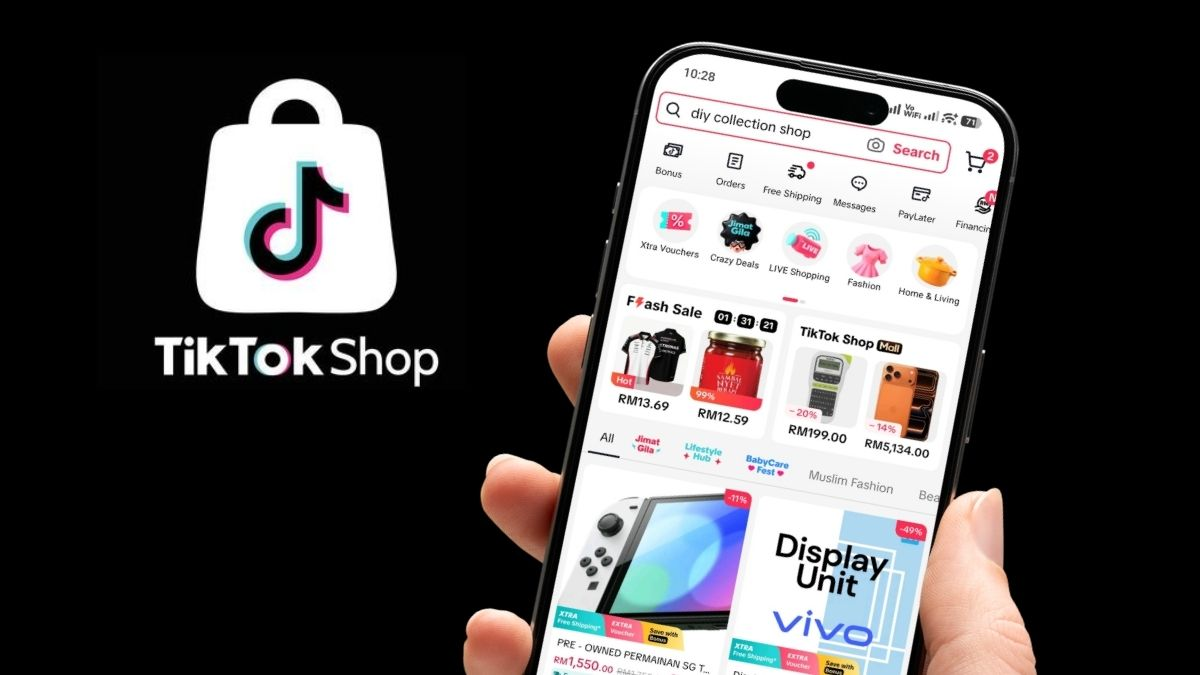
Image source: Google
Beauty commission increases: who is under pressure?
The group most directly affected by this adjustment is undoubtedly sellers in the beauty category.
A 3.24 percentage point increase may not seem large, but in a beauty industry already marked by fierce competition and uneven profit margins, this extra expense is enough to change the break-even point for many small and medium-sized sellers.
This is especially true for makeup and fragrance categories, where the commission rate reaches 14.58%, already close to more than 30% of some sellers' net profit margin. For stores that rely on low prices and high volume and a thin-margin, high-turnover strategy, the pressure is even more obvious.
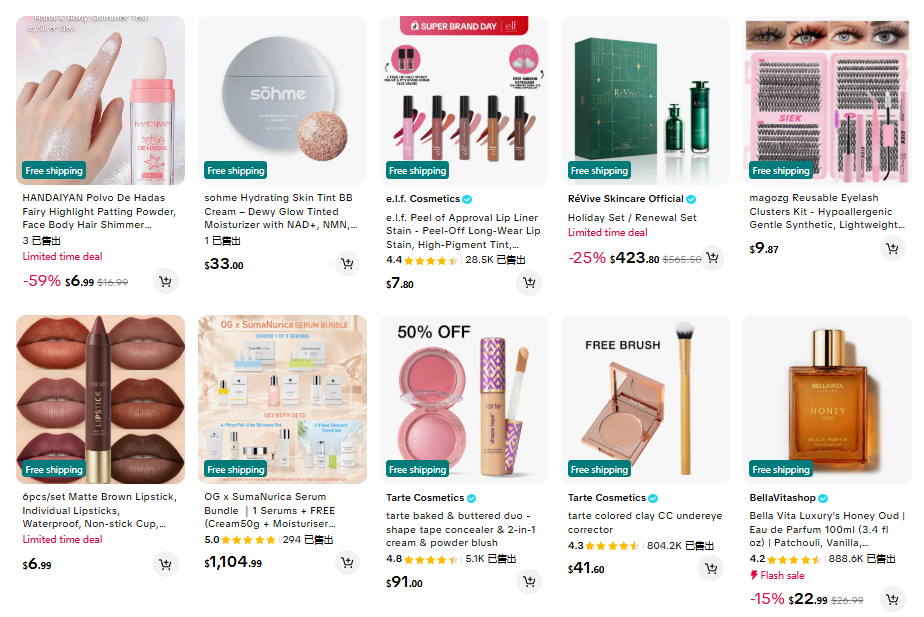
Image source: TikTok Shop
It is worth noting that although sellers who joined the BXP incentive program still have lower commission levels than peers who did not participate, this round of adjustment did not spare them either.
Take the women's clothing category as an example: commissions for BXP sellers were raised by 2.48 percentage points, while non-BXP sellers saw an increase of only 0.33 percentage points, and BXP sellers also have to bear an additional independent fee of 4.86%.
This means that while the platform encourages sellers to join the incentive program, it is also gradually tightening the overall fee space. For beauty BXP sellers, the cost increase from stacked dual fees requires more refined operations to absorb.
Why is the platform raising some rates while lowering others?
From the platform's perspective, this commission adjustment is not simply a revenue increase action. Officials have already stated that the extra revenue will be invested in several directions:
The funds will be used to issue shipping coupons to consumers, provide free economy delivery for East Malaysia, and share the discount costs during major promotions; in addition, RM250 million has been specifically allocated this year to support local sellers.
In other words, the extra commissions paid by the beauty category are being converted by the platform into logistics subsidies and promotional resources to boost overall transaction activity.
The reverse reductions for five categories such as maternal and infant products and medical consumables reflect the platform's tilt toward categories of essential daily needs. This shows that the platform is using price levers to guide supply toward specific categories while using high-margin categories such as beauty to feed back into ecosystem building.
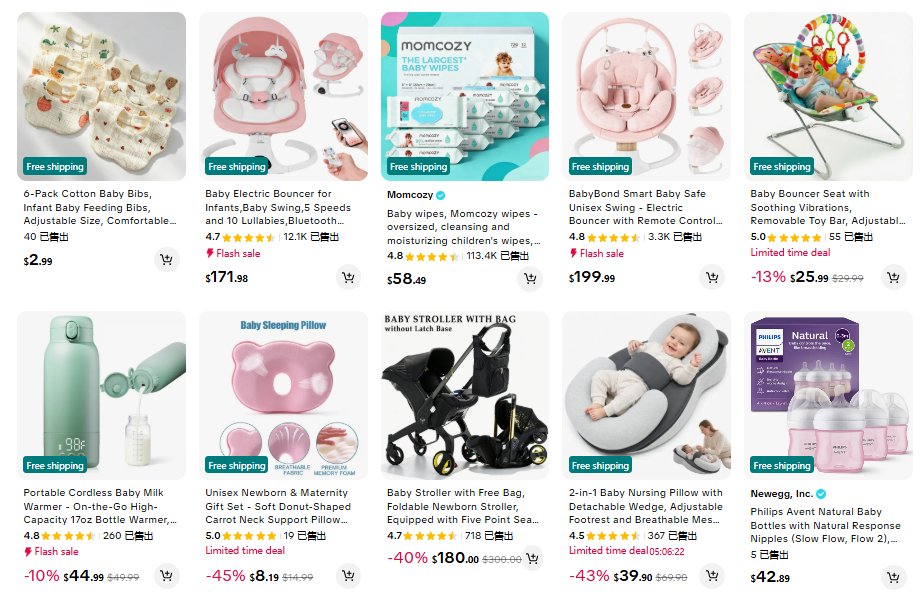
Image source: TikTok Shop
From passive pressure to proactive adjustment
Faced with rising commissions, beauty sellers do not have to passively accept them. Recalculating the pricing model is an urgent task. The 3.24 percentage point increase needs to be broken down into the cost structure of each order, and combined with variables such as logistics, packaging, and influencer commissions, sellers should determine which SKUs still have room for price adjustments and which need supply chain optimization to reduce costs.
Second, product mix strategy deserves a fresh review. High-ticket beauty gift boxes and set combinations can effectively dilute the commission proportion, while low-margin traffic-driving products need to have their share controlled to avoid selling more and losing more.
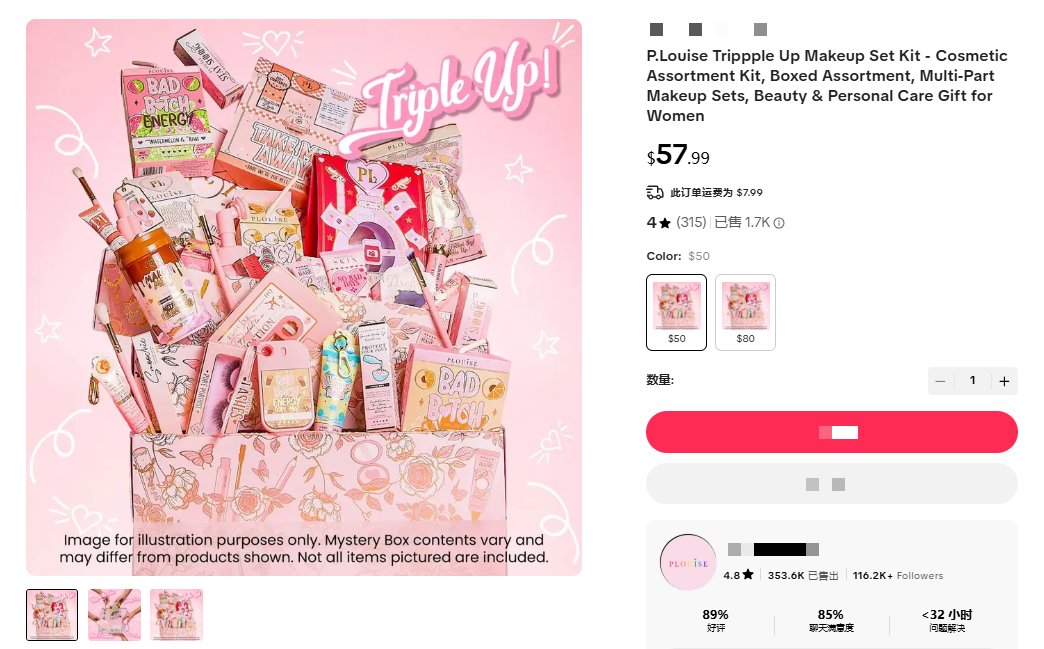
Image source: TikTok Shop
Third, the value of participating in the BXP incentive program needs to be reassessed. Sellers should consider their own traffic acquisition capabilities, influencer collaboration resources, and frequency of participation in major promotions to determine whether the exposure and conversion brought by BXP are sufficient to cover the additional costs.
Conclusion
TikTok Shop Malaysia's latest commission adjustment appears to be a one-way increase in rates for the beauty category, but it actually reflects the platform's balancing act among logistics infrastructure, category support, and ecosystem incentives.
What sellers need to do is identify their positioning amid changes in the cost structure, and use refined adjustments to product mix, pricing strategy, and traffic operations to turn the pressure of commission increases into momentum for business upgrading.
After all, on a continuously growing platform, those who survive and thrive are always the ones who respond fastest to rule changes.