 984
No matter how expensive or good a mattress is, once one more person sleeps on it, the experience is directly greatly diminished. When the other person turns over slightly, the vibration travels over, and it is easy to be woken up.
One brand has seized on this usage pain point.
It found inspiration for product creation from split mattresses for two people, made partners sleeping in the same bed without disturbing each other a major selling point, and won countless fans overseas,Sales of sleep products have exceeded 1 million units。
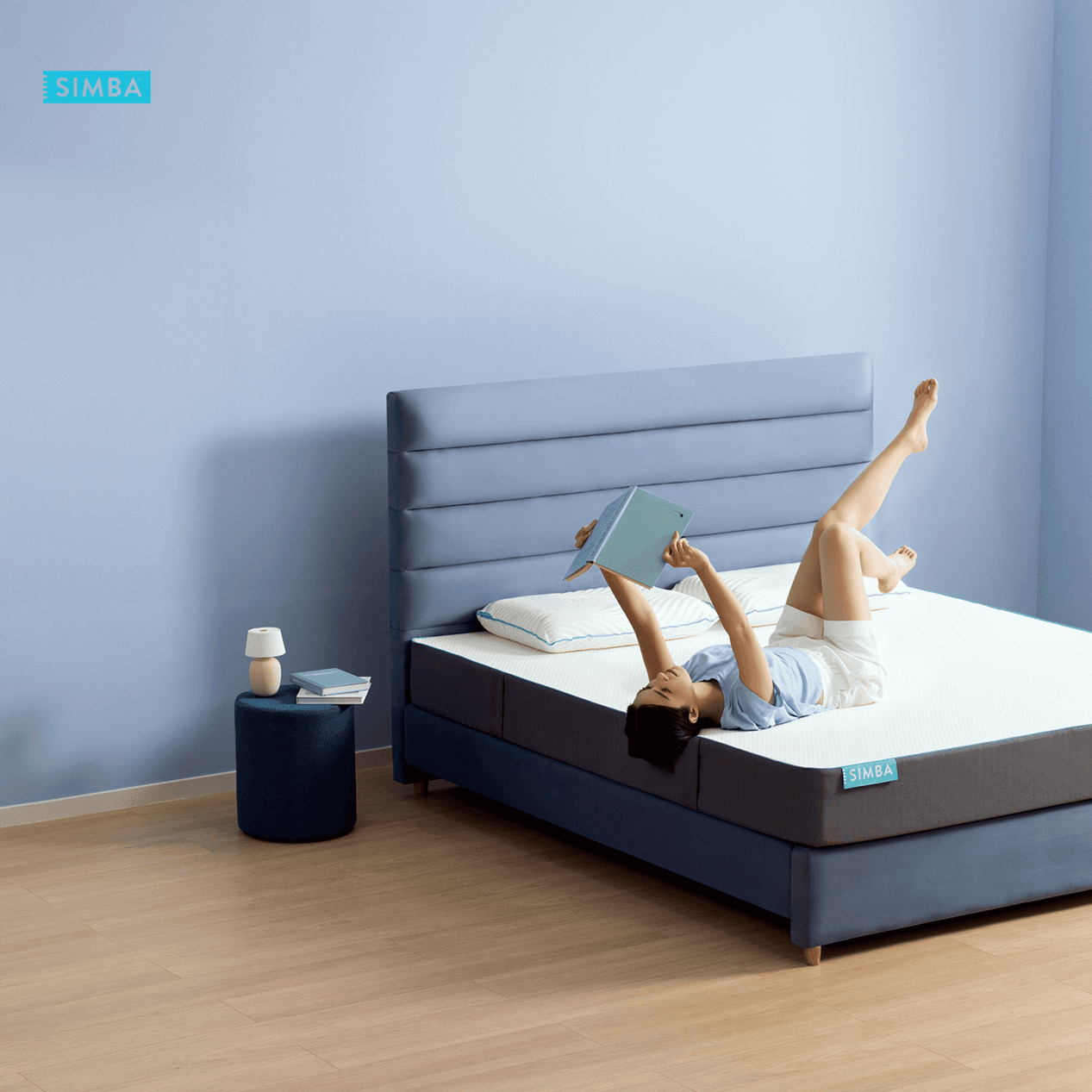
It is one of Europe's two leading online mattress brandsSimba。
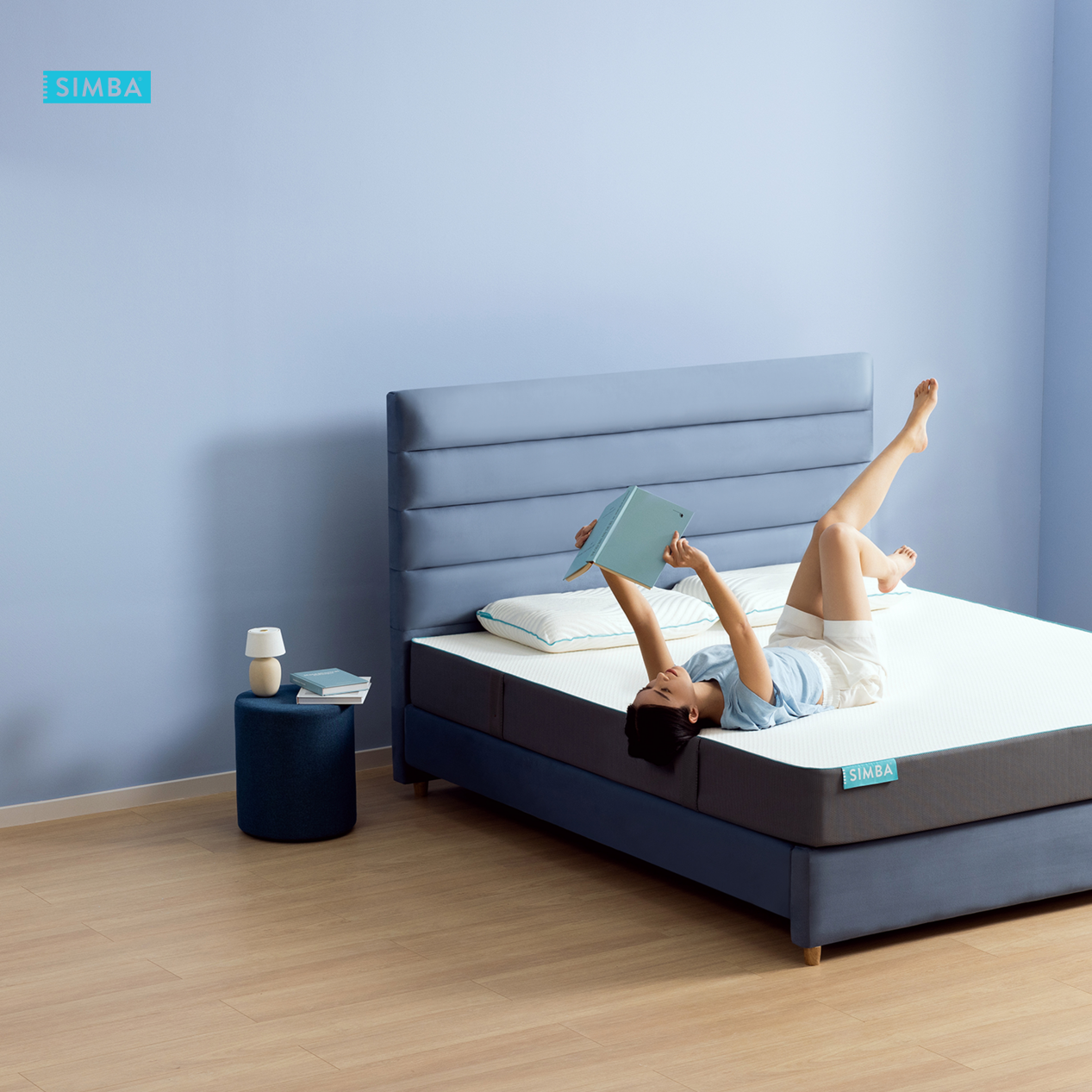
Image source: Google
Not starting from scratch, but a supply chain veteran transforming
Different from the experience of other brands. Simba was not born from starting a business out of thin air; rather, it is a supply chain veteran transforming into a DTC consumer brand, bringing material technologies accumulated on the factory side directly to end consumers.
The supply chain parent entity behind the brand can be traced back to 1979. This family business initially started in the wire business, supplying sewing yarn to mattress factories and serving the global mattress supply chain for a long time.
It was only from 2002 that the business began to extend into mattress materials and OEM manufacturing. But at that time it only supplied to B-end customers and did not have its own consumer brand for C-end customers.
It was not until 2015 that co-founder James Cox and CEO Steve Reid finalized the plan in a small pub in London, and the DTC mattress brand Simba was officially born.
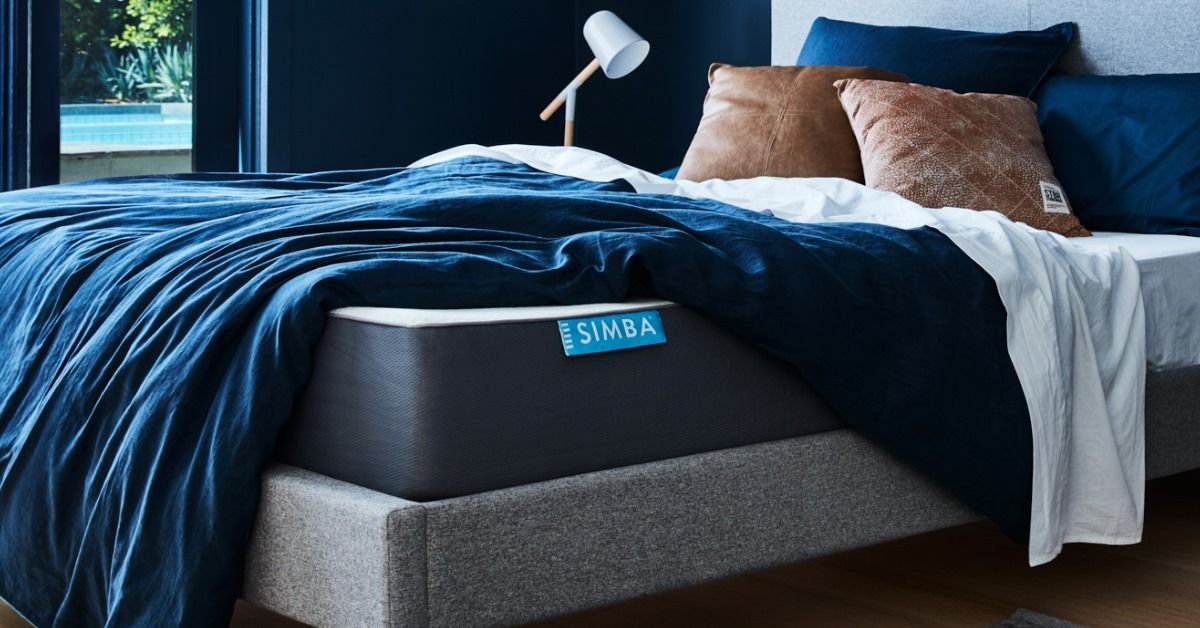
Image source: Google
Simba did not develop products blindly. The team identified the common pain point of couples sharing a bed in European households, and relying on the body data of more than 10 million sleepers accumulated over the long term by the supply chain parent entity, developed its first Hybrid mixed-spring mattress.
The product's core patent is the micro independent spring + breathable foam structure, balancing support and heat dissipation, with a focus on reducing the vibration disturbance caused to a partner when turning over.
With the roll-packed boxed and online direct sales model, it entered the market and quickly grew into a leading player in the UK boxed DTC mattress track.
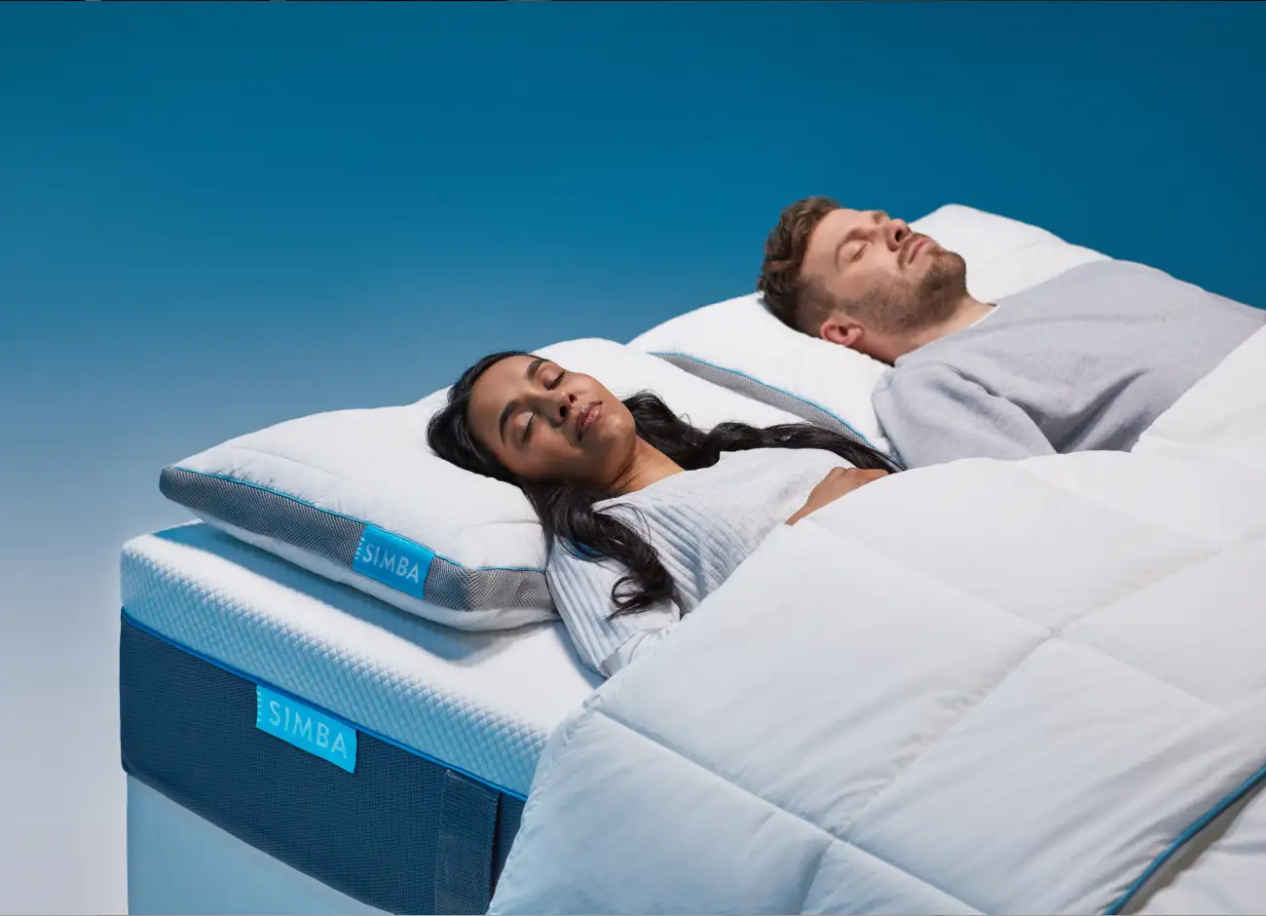
Image source: Google
Onlineis the corefoundation, while offline makes up for the experience gap
The standalone site is Simba's core sales position. By building a regional standalone site matrix, mainly with the UK site and supplemented by sites in Germany, France, Ireland, etc., it uses localized content, local payment, local currency settlement, and localized product recommendations to adapt to the consumption habits of users in different countries.
Not only that, purchases within the standalone site also provide a 200-night trial sleep and 10-year warranty, etc., reducing consumers' purchase concerns and lowering the order threshold.
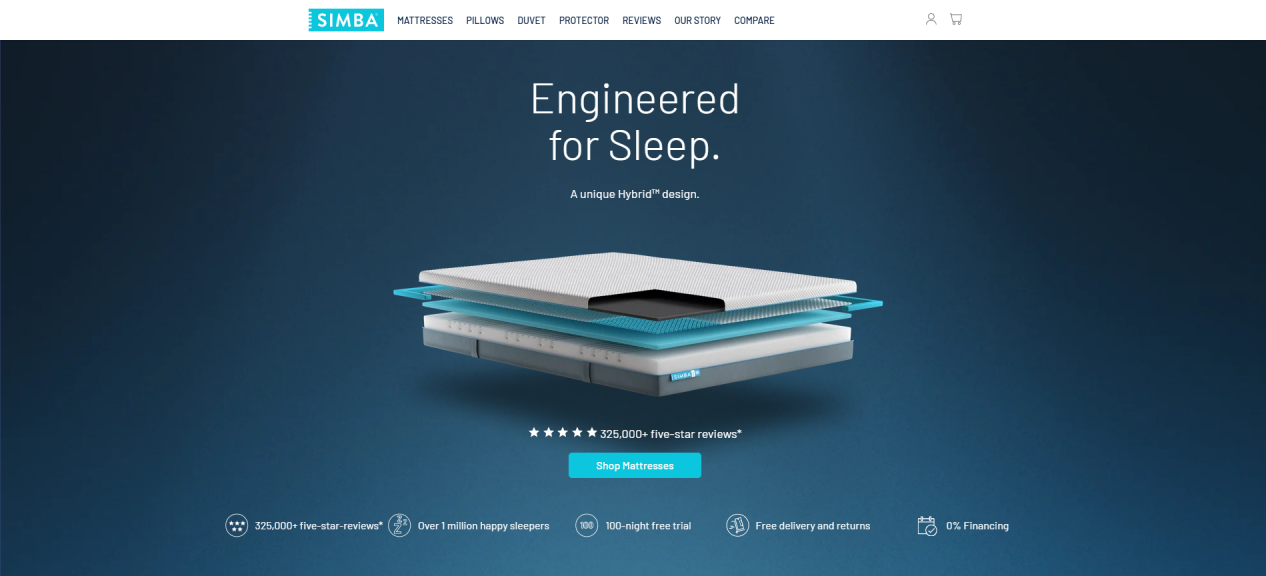
Image source: Simba
Of course, doing business overseas is also inseparable from entering traffic supplement channels such as Amazon; these platforms are more used for exposure and capturing search traffic. The brand's private domain operations, user repurchases, and data accumulation still remain completed within the standalone site.
After all, mattresses are high-priced, low-frequency, large items. The biggest obstacle to online purchase is the inability to try lying on them on site, which also forced Simba to begin laying out offline.
To change the status quo, in addition to focusing primarily on online DTC, the brand also added offline experience supplements. By opening experience showrooms or partnering with a small number of high-end furniture collection points, it uses small-scale displays to supplement offline experience scenarios.
It can be said that preserving its online strengths and closing experience gaps are a major reason supporting the long-term stable operation of the Simba brand.
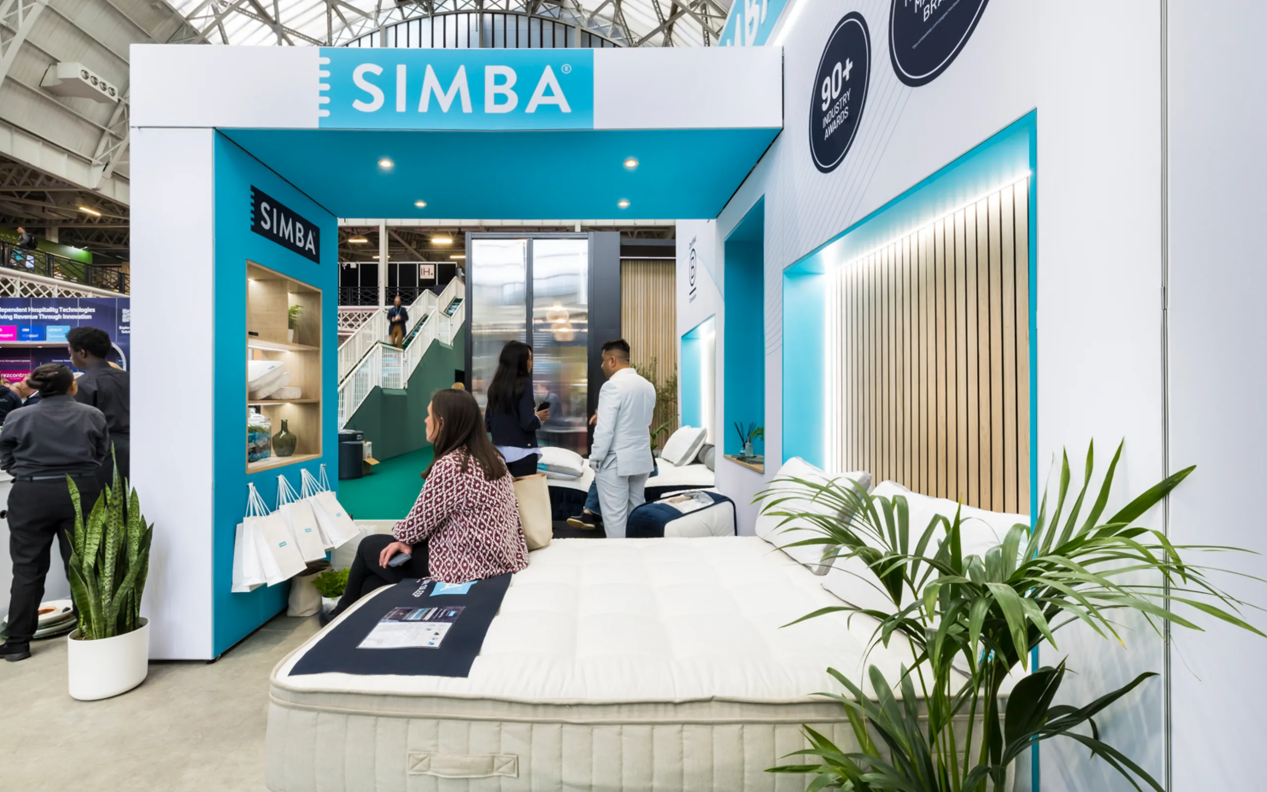
Image source: Google
Build a sleep solutions matrix to drive overall sales.
Although mattresses are the core focus, Simba has not limited itself to a single product. To further expand the market, it has chosen to continuously enrich its product portfolio.
This is not simply adding SKUs, but an upgrade toward a complete bedroom sleep solution: building a product matrix that shares a core technology system and covers the whole family and all sleep scenarios, and relying on bundled sets to raise average order value and increase repurchase.
Since 2020, the brand has accelerated its category expansion, extending from a single mattress to a full range of sleep accessories, including pillows, bed frames, all-season quilts, and mattress protectors.
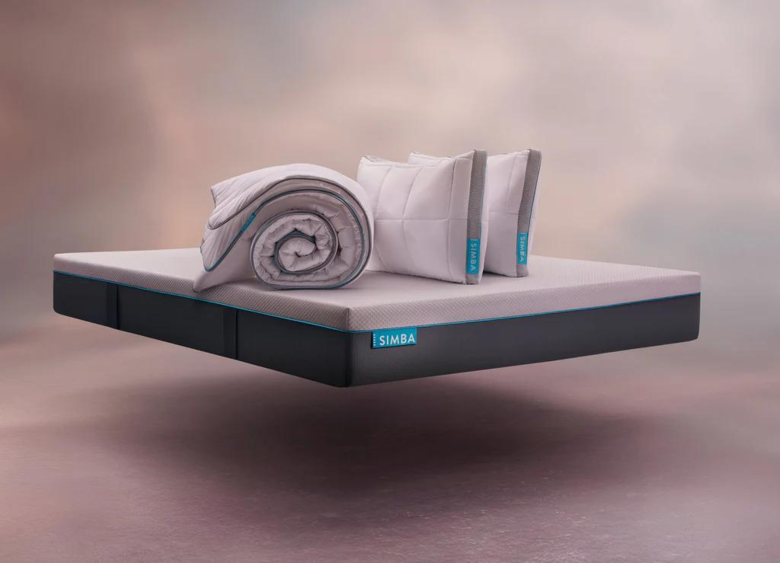
Image source: Google
At the same time, modestly expand into light sleep-related home peripheral products, such as loungewear, centering on pre-sleep relaxation and home rest scenarios to build brand awareness of a sleep lifestyle. Do not blindly expand into unrelated home products; always stay closely aligned with the core sleep theme.
According to the brand’s early official website and external press releases: Simba has sold more than 1 million sleep products and accumulated 350,000 five-star reviews, making it a highly popular best-selling brand in Europe’s boxed sleep category.
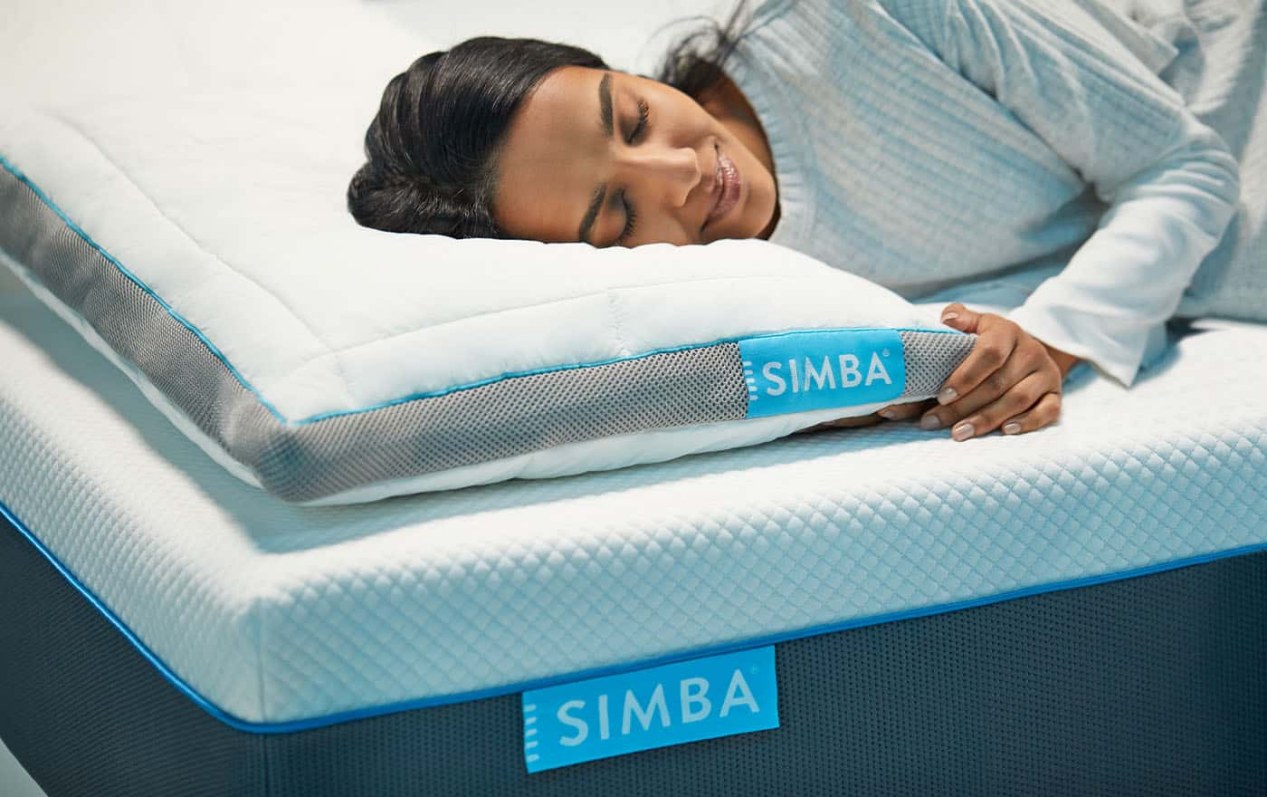
Image source: Google
Use fun content to capture attention and increase dwell time, and leverage influencers to seed interest and drive conversion.
Times have changed. Hard-sell advertising alone no longer resonates with users, and seeding ahead of conversion is now key—which is why TikTok has become one of Simba’s key social channels.
On this platform, the brand established an official account @Simba Sleep.
Because TikTok users' attention is fleeting, often lasting only a brief 3 seconds. Rather than rigidly pitching product selling points, retaining users and deepening their impression is more important.
So, the @Simba Sleep account focuses on lighthearted, novel, creative short videos, often using fun composite visuals that integrate people and small animals into the frame to intuitively demonstrate product advantages and catch passersby’s attention.
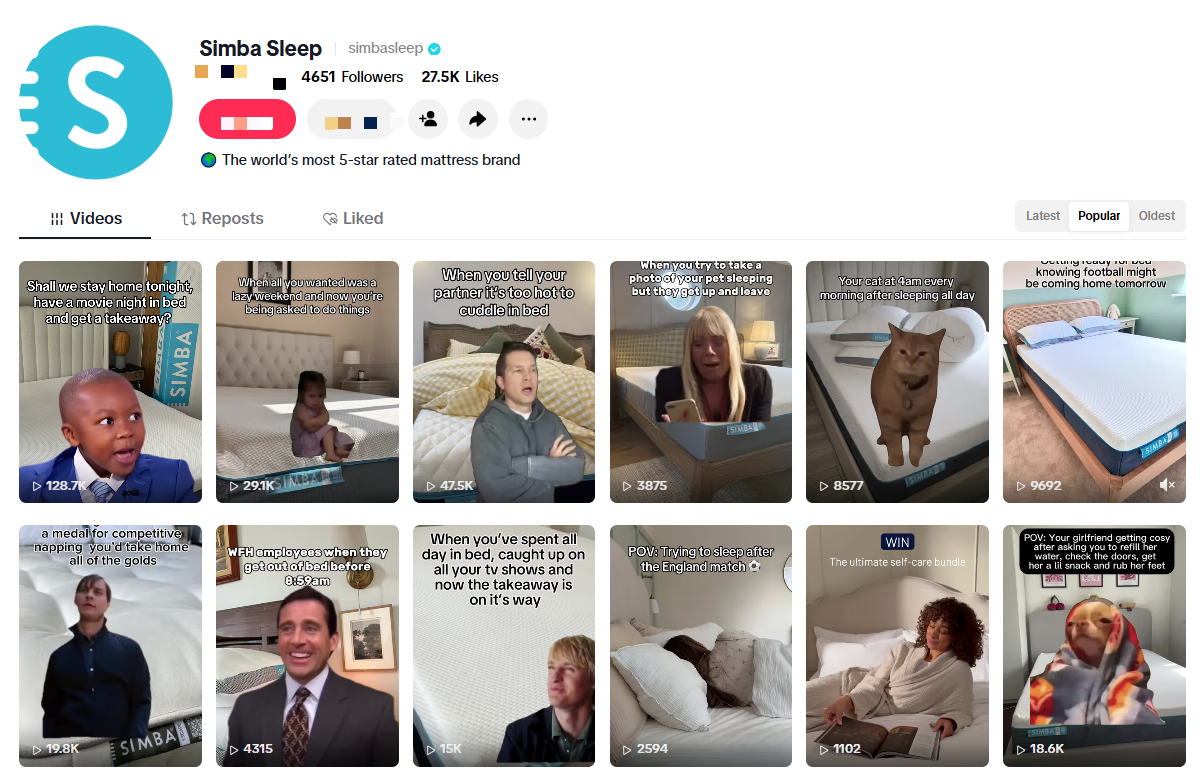
Image source: TikTok
However, mattresses are durable consumer products that will be used for many years once purchased, so what ultimately persuades users to place an order is still the real sleep experience.
On this point, Simba is also smart: it doesn’t just rely on official accounts talking to themselves, but also leverages influencer collaborations and uses real users’ perspectives for content dissemination.
For example, TikTok home category influencer @At home with Mads, who has 109,400 followers, has shot two promotional videos for Simba.
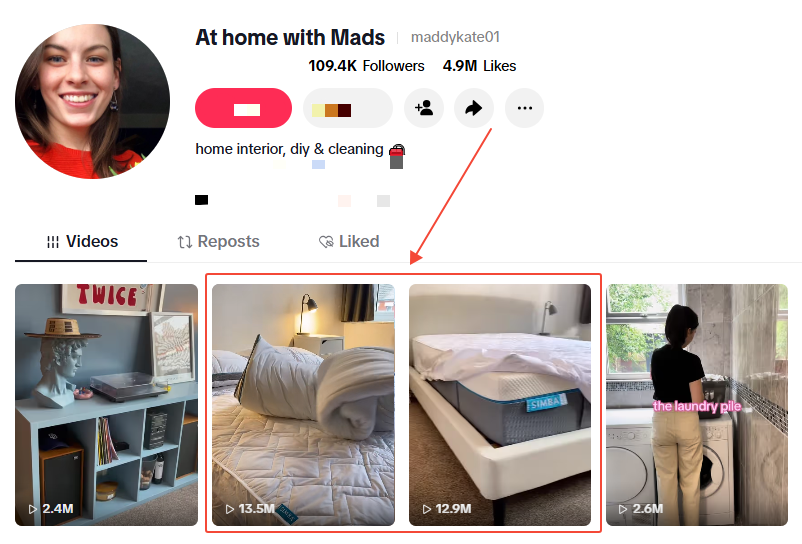
Image source: TikTok
One is an immersive unboxing and setup, fully showcasing the complete Simba sleep system made up of pillows, bedding, and a mattress; the other leans toward a daily at-home record, featuring a real person on camera resting on the mattress and writing in a diary, recreating the authentic state of everyday use.
Since their release, the two videos have garnered 13.5 million and 12.9 million views. This shows that this kind of life-filled, real-person unboxing and hands-on testing content fits TikTok users' browsing preferences very well.
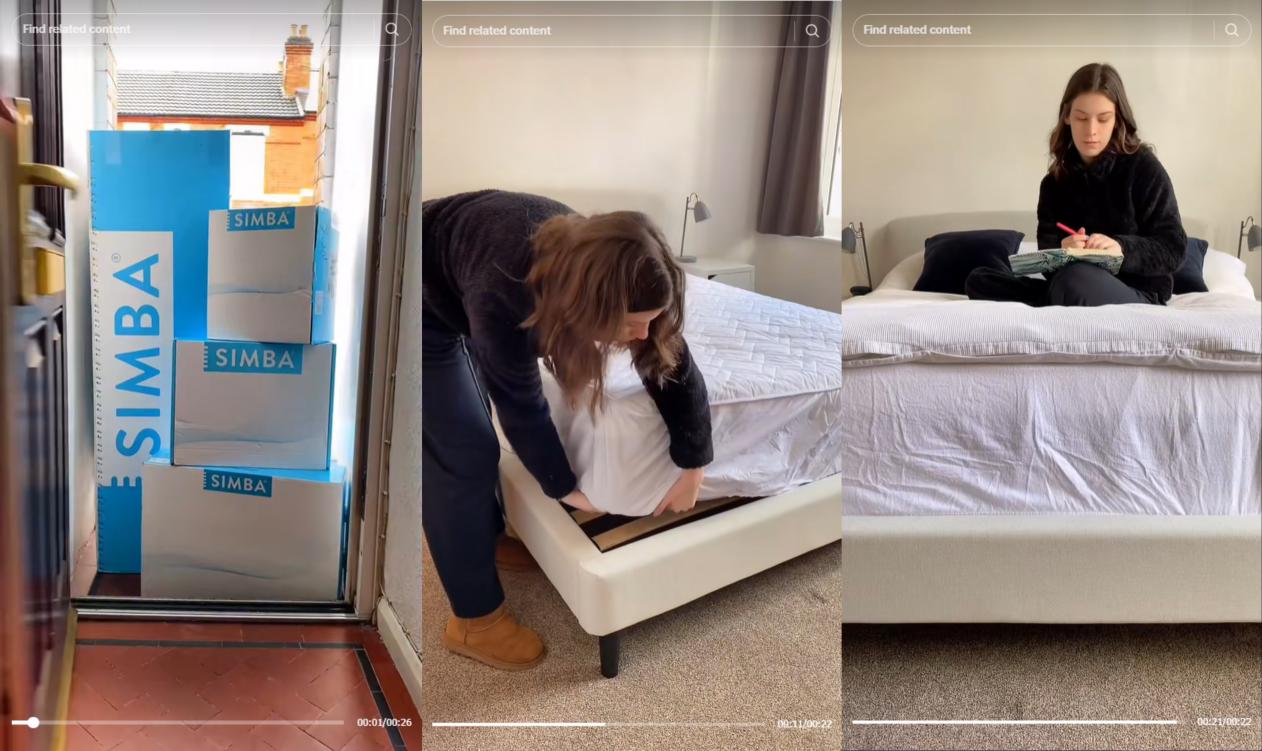
Image source: TikTok
Conclusion
The reason Simba was able to gain a foothold in the boxed sleep category and sell one million products is that it identified the specific pain point of partners disturbing each other when sharing a bed.
It then built a complete channel structure with its independent site as the core, platform traffic as a supplement, and offline experience as an auxiliary, and used TikTok marketing and seeding to capture conversions.
This also offers an inspiration to domestic sellers who want to do cross-border business:
Rather than following trends and distributing goods broadly in a broad track, it is better to first thoroughly address a real usage pain point and then clarify the division of labor among channels; this makes it easier to carve out your own path in overseas markets.