 1338
In cross-border e-commerce, cookware is not a category that is easy to tell stories about.
It does not have the obvious before-and-after contrast of beauty products, nor is it as easy to create talking points as trendy apparel. For consumers, whether a pot is good or not ultimately comes back to cooking.
But on TikTok, Freemir has created new sales opportunities for this kind of everyday product.
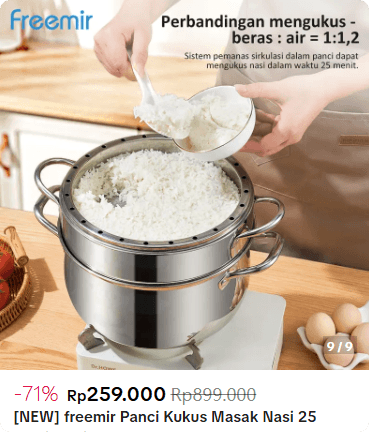
Platform data shows that one of the brand's double-layer stainless steel steamers has sold about 32,000 units cumulatively on TikTok Shop Indonesia, with sales of US$234,800 in the past year.
Today, let's take a close look at how a cookware brand ventures into TikTok in Indonesia.
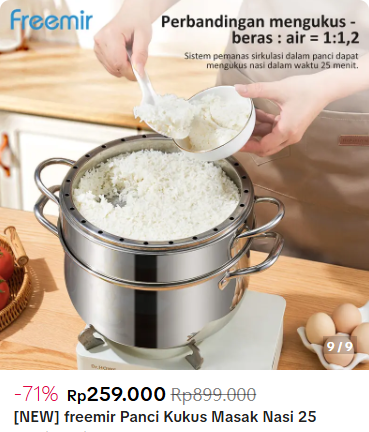
Image source: TikTok Shop
Why is there still growth space in the kitchenware market?
Cookware is not a new category. Unlike some new products that need to cultivate consumer habits, consumers are already familiar with what this type of product is used for.
What has really changed is consumers' lifestyles, as well as the channels through which they discover and purchase products.
Market research released by Fortune Business Insights shows that the local market size was about US$1.42 billion in 2024, is expected to reach US$1.52 billion in 2025, and is expected to grow to US$2.48 billion by 2035, with a forecast compound annual growth rate of 5.04% from 2025 to 2035.
The institution believes that urbanization, lifestyle changes, growth in disposable income, and consumer demand for convenient cooking and high-quality products are among the factors driving market development.
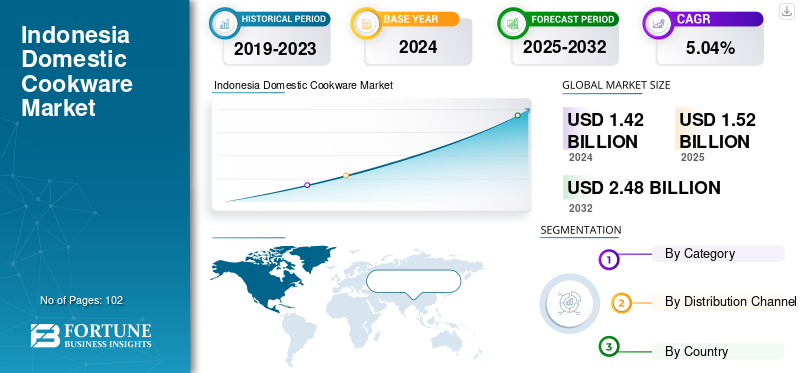
Image source: TikTok Shop
At the same time, the development of online channels has given consumers more choices. According to the same institution's forecast, the e-commerce channel of Indonesia's cookware market is expected to achieve relatively rapid growth from 2025 to 2035.
For brands, the key lies inhow to help consumers understand the value of the product more quickly。
This is also what makes Freemir worth studying: it operates in a category that is not naturally easy to create talking points around, yet it can use content to turn product functions into visible usage experiences for consumers.
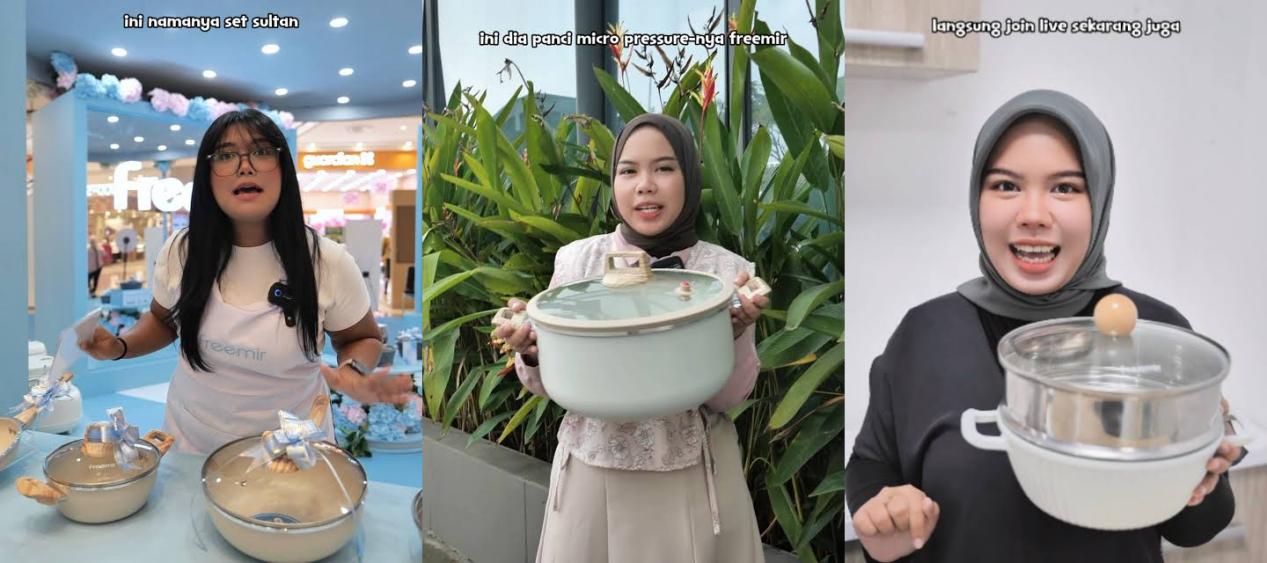
Image source: Google
Only by putting cookware into real life can TikTok have content to talk about
One characteristic of kitchenware is that its functions are very clear, but if it is shown only with traditional product images, the content can easily become monotonous.
TikTok's advantage is precisely that it can turn products from static displays into dynamic experiences.
On Freemir's TikTok account @freemirindonesia, a representative case can be found.
On July 28, 2025, they posted a video showing a double-layer stainless steel steamer. The content directly centered on how to use the steamer and presented the product's functions through an actual cooking demonstration.
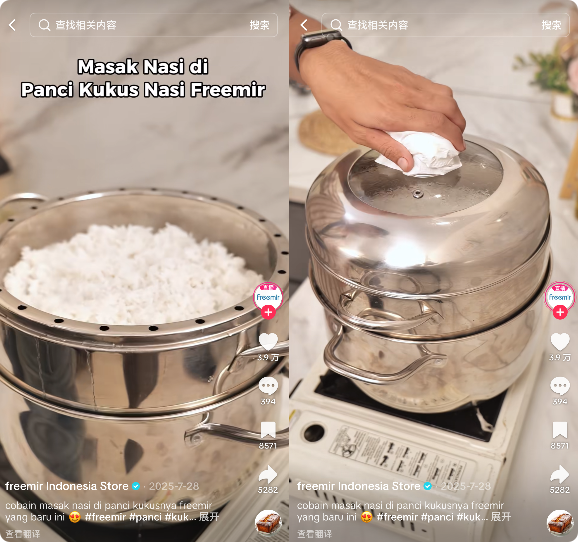
Image source: TikTok
This video received approximately 23.25 million views, 39,000 likes, and 5,282 shares.
For an everyday kitchen product, this level of view performance is worth noting.
It does not rely on complex plots or exaggerated visual effects to attract viewers; instead, it places the product in specific cooking scenarios so consumers can directly see what it can do.
Simply put, the value of this type of content lies in reducing the cost of understanding.
For kitchenware brands that also hope to expand their markets through TikTok, what matters is not how glamorously the product is filmed, but enabling consumers to quickly understand why it is worth buying.
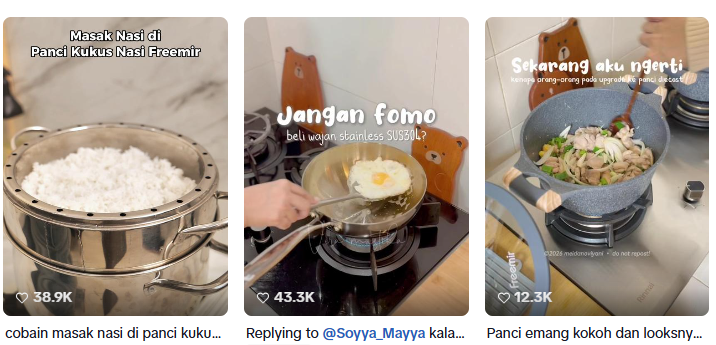
Image source: TikTok
Creators, livestreaming, and the marketplace turn traffic into orders
A single video can bring attention, but to let more consumers see the product, continuous content output is still needed. Freemir not only showcases products through its brand account, but also expands its reach through creator collaborations.
According to third-party data, the brand's Indonesian store had about 1,841 creators participating in promotion in the past 30 days, with about 3,468 related videos, cumulative sales of about 35,100 units, and GMV of about US$748,500.
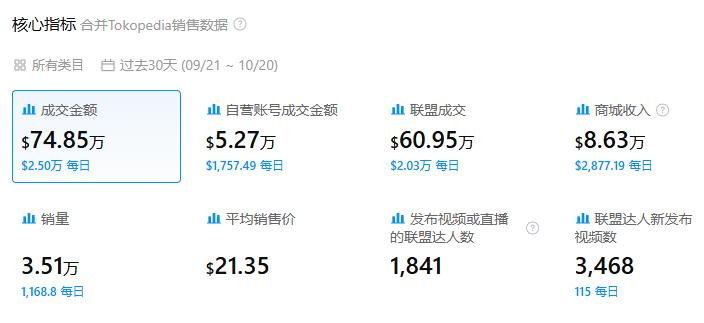
Image source: kalodata
For kitchenware brands, the significance of creator collaborations should not be merely increasing the number of videos.
For example, the kitchenware-related account @crehom showcases and sells kitchen supplies through livestreaming, with related sales of about US$55,000 in the past 30 days; Indonesian sales creator @indahputri13_ is good at driving sales through livestreaming and affiliate marketing, with sales from promoting Freemir of about US$46,700 in the past 30 days; home and kitchenware creator @kokopanci also participated in brand promotion, with related sales of about US$26,100.
The content formats and audiences of different creators have different focuses, which also gives Freemir opportunities to showcase its products in multiple ways and reach more potential consumers.
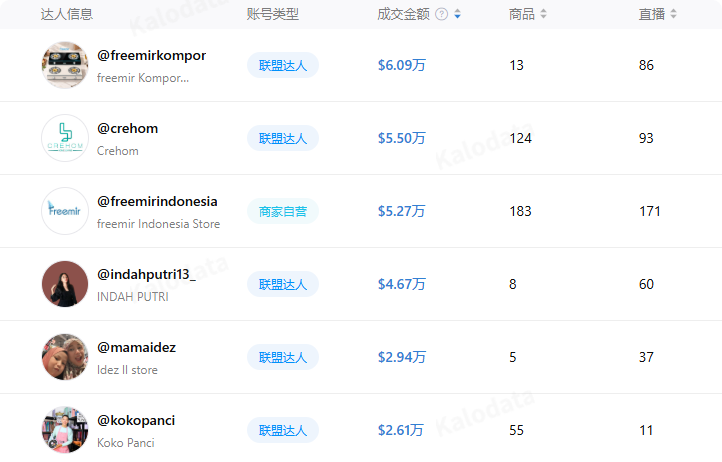
Image source: kalodata
In addition, livestreaming gives Freemir the opportunity to present products in greater detail.
Hosts can demonstrate how to use cookware while introducing product features, and consumers' questions can be answered promptly. For cookware that needs to be judged as suitable based on actual use, this interactive approach helps consumers better understand the product.
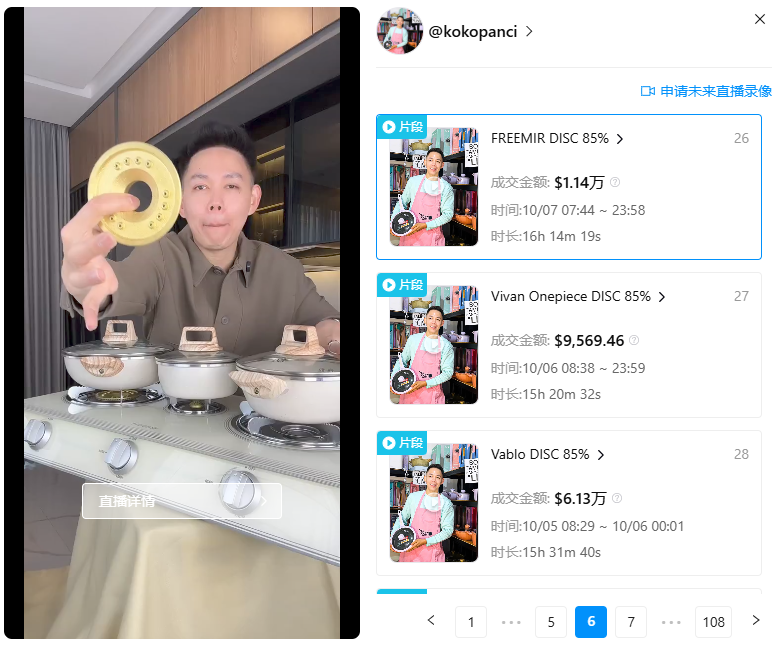
Image source: kalodata
From the data of the past 30 days, livestreaming contributed about US$533,700, accounting for 71.3%; short videos contributed about US$110,300, and product cards contributed about US$104,500.
It can be seen that livestreaming has become an important part of store sales, while short videos also bring continuous content exposure to products. Different formats have their own characteristics and together form Freemir's sales chain on TikTok.
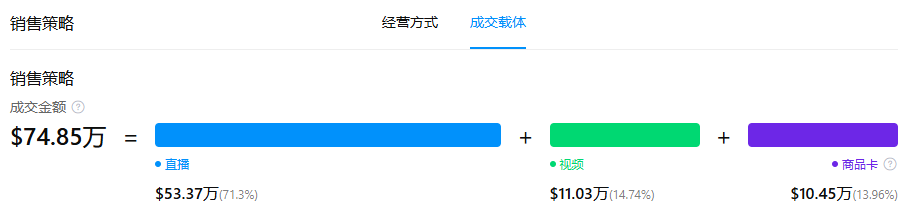
Image source: kalodata
Ordinary products also need an extraordinary set of business methods
Looking back at freemir, it is not in an unfamiliar emerging track, but in a traditional category that almost every household needs and where competition is also quite intense.
A pot has limited functions, but consumer needs are not singular. What the brand needs to do is find the entry point for its products from these specific needs, and then through appropriate content and channels, deliver the products to the people who truly need them.
For Chinese brands going global, this approach is not only applicable to kitchenware.
Home goods, small appliances, storage products, and even many traditional products that were previously considered difficult to create content for can all re-examine their presentation methods.