
 2289
2289Imaginez : un utilisateur américain fait défiler TikTok et tombe sur une vidéo qui vend des gobelets. Le design est sympa, les fonctionnalités sont bien expliquées, mais quelque chose cloche : la musique de fond est une version anglaise d’un tube chinois ? Les gestes et expressions du mannequin semblent un peu « forcés » ? Les arguments de vente ne touchent pas vraiment le point sensible de son quotidien ? D’un geste du doigt, il passe à autre chose.
C’est le malaise que rencontrent de nombreuses marques chinoises sur TikTok : le produit est bon, l’argent est dépensé, mais l’utilisateur vous perçoit comme un « étranger » et ne veut pas jouer avec vous. Pour vraiment percer sur TikTok, « faire comme les locaux » n’est pas un bonus, c’est une question de survie.

Source : Internet
Pourquoi est-il impossible de survivre si on « ne fait pas comme les locaux » ?
TikTok est essentiellement une grande communauté où les utilisateurs cherchent du divertissement, de la résonance et un sentiment d’appartenance. Ils confirment leur identité à travers des blagues qu’ils connaissent, les fêtes qu’ils suivent, voire le « jargon » de leurs cercles de niche. Si vous y insérez brutalement une publicité, c’est comme si un vendeur en costume-cravate, qui ne fait que réciter un script, débarquait soudainement dans une fête : il casse l’ambiance et agace tout le monde. À l’inverse, les marques qui agissent comme des locales obtiennent des résultats radicalement différents.
La marque de beauté d’Asie du Sud-Est Y.O.U a lancé une campagne #WouldYouLoveYou pendant le Ramadan (un mois extrêmement important pour les musulmans). Au lieu de vendre à tout prix, ils ont réalisé une série de courtes vidéos abordant des thèmes comme la confiance en soi et l’acceptation de soi chez les femmes, en phase avec la vie réelle et les émotions des femmes locales. Résultat ? 8,8 milliards de vues, 327 000 interactions, et une nette augmentation de la notoriété de la marque et des ventes. Les utilisateurs se disent : « Cette marque me comprend, elle est des nôtres. »

Source : TikTok for Business
Le manuel pratique pour « faire comme les locaux »
Comment faire ? Traduire simplement le texte en anglais est loin d’être suffisant. Ce travail a plusieurs niveaux, voyons comment d’autres s’y prennent :
- Les apparences doivent être soignées :
1. Éviter les pièges linguistiques : il ne s’agit pas de traduire, mais d’utiliser les blagues locales. Les jeunes Américains adorent le « girl math » (une logique de consommation humoristique, par exemple payer en espèces = gratuit). La marque de cosmétiques e.l.f. a rapidement intégré ce concept à ses produits, ce que les utilisateurs ont trouvé amusant et familier.
2. Les symboles visuels doivent correspondre : les utilisateurs d’Asie du Sud-Est préfèrent généralement des images et des stickers aux couleurs vives et dynamiques ; les utilisateurs occidentaux peuvent être plus attirés par des tons froids et des effets simples. Haier, en faisant la promotion de ses climatiseurs en Asie du Sud-Est, a lancé un défi de danse et de chant, avec des images et une musique imprégnées de la culture locale, ce qui a bien mieux fonctionné que de simplement énumérer des caractéristiques techniques.
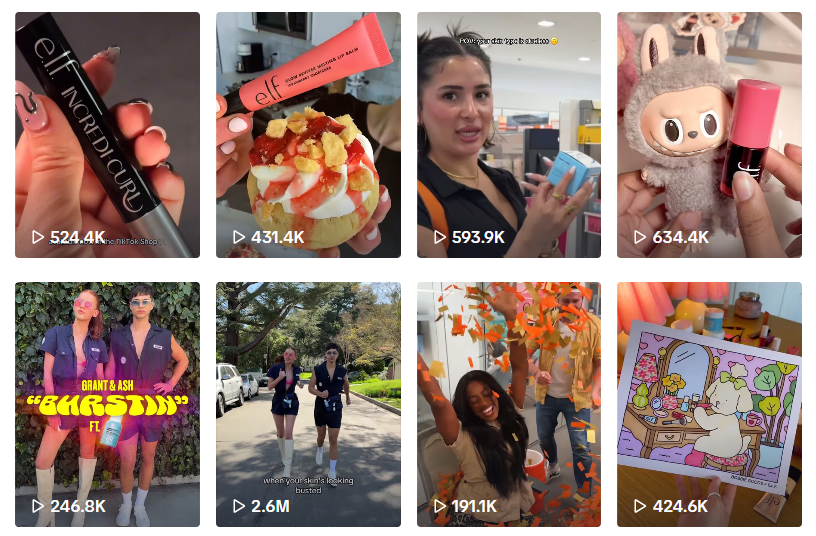
Source : TikTok
- Les gènes profonds doivent être changés :
1. L’équipe doit être « des nôtres » : un facteur clé du succès de la marque de compléments alimentaires Cool-Vita en Indonésie est que 98 % de ses employés sont locaux, y compris les cadres intermédiaires (l’équipe chinoise étant principalement au niveau stratégique). Une équipe locale comprend naturellement les blagues, les problèmes et les tendances locales, ce qui réduit les risques de mauvaises décisions.
2. Laissez les utilisateurs « écrire le scénario » : la marque de lunettes Warby Parker excelle aux États-Unis. Ils ont collaboré avec un créateur nommé @Octopusslover8, laissant les fans voter pour décider de la direction de l’histoire des courtes vidéos, les lunettes s’intégrant naturellement dans le récit. Plus l’engagement des utilisateurs est fort, plus leur identification à la marque est profonde.
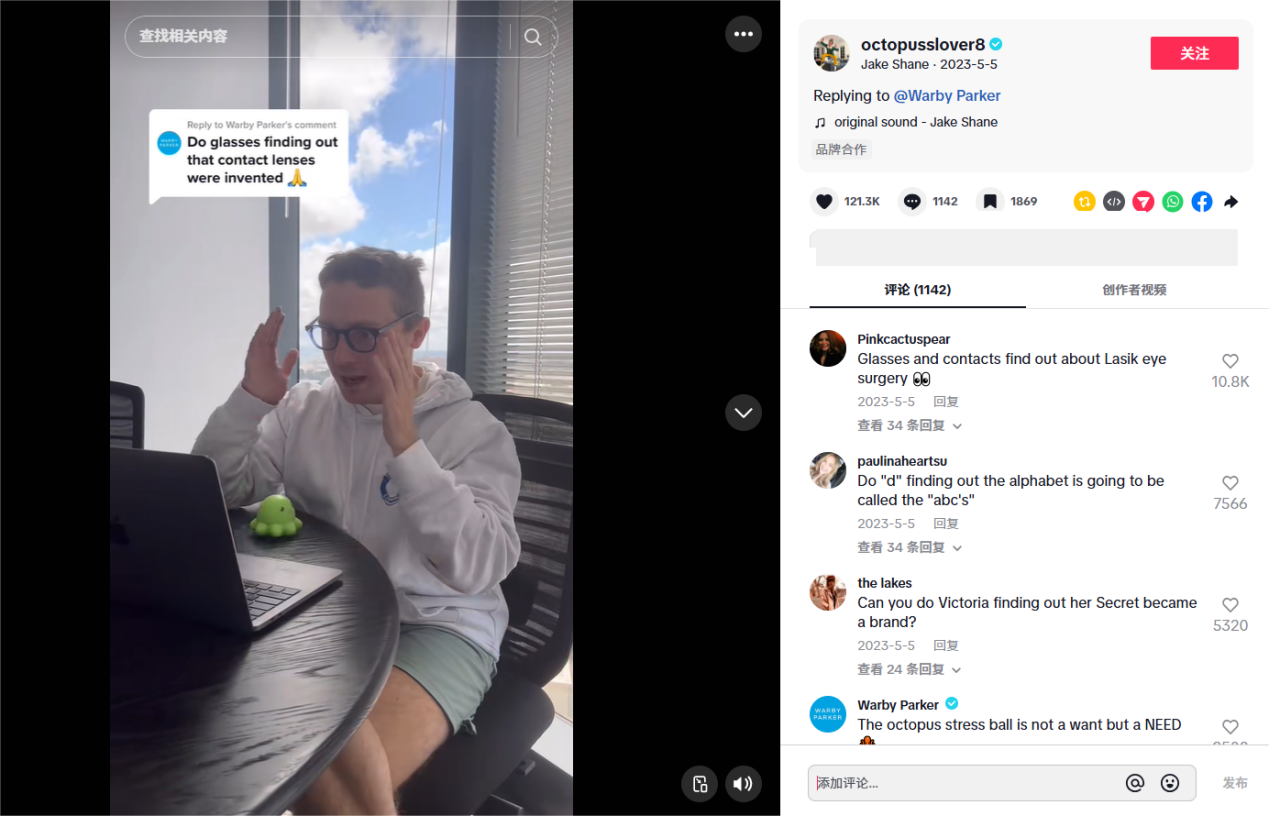
Source : TikTok
- Les valeurs doivent résonner :
1. S’ancrer dans les besoins spirituels : la campagne Ramadan de Y.O.U mentionnée plus haut en est un parfait exemple. Ils ont saisi le sens profond du Ramadan comme « un temps de réflexion et de renouveau » pour discuter de la valeur des femmes, plutôt que de crier « Achetez mon rouge à lèvres ! ». Cela a touché la corde la plus sensible des utilisateurs.
2. Oser montrer « l’imperfection » : les marques tech ne sont pas obligées de toujours se vanter. Certaines marques montrent activement les défis techniques qu’elles rencontrent, voire invitent les utilisateurs à proposer des solutions. Cette attitude de « ne pas faire semblant » rapproche au contraire, transformant les utilisateurs en co-créateurs, ce qui renforce leur loyauté.
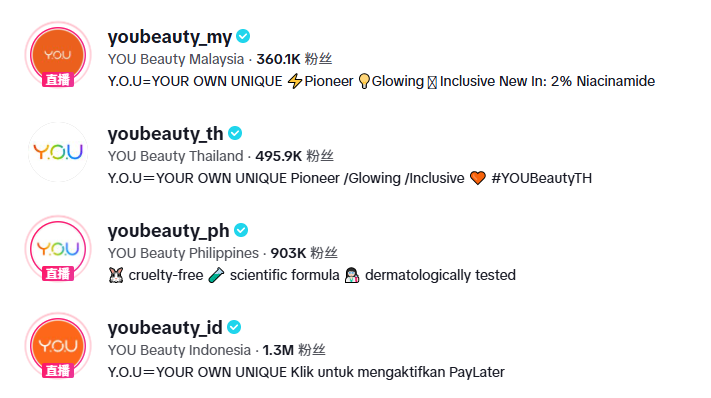
Source : TikTok
En fin de compte, pour développer une marque à l’international sur TikTok, on peut apprendre les techniques et copier les schémas, mais c’est cette volonté de « faire comme les locaux » qui est la plus difficile à feindre et la plus indispensable. C’est elle qui détermine si l’utilisateur vous considère comme un « intrus » ou comme « l’un des leurs ». Comme le dit Ye Pingping de Cool-Vita, le cœur du sujet est « le respect et la révérence, respecter les employés locaux, révérer la culture locale ».
Maîtrisez ce « cours obligatoire invisible », et le trafic ainsi que les ventes viendront naturellement.