 2298
2298Les patchs anti-acné ne sont pas rares en Chine, que ce soit en pharmacie ou sur les plateformes e-commerce, on peut toujours en trouverleur présence, mais la plupart du temps ils sont considérés comme des accessoires/ sous forme de cadeaux.
Il semble quetrès peu de marques,vontprendreles patchs anti-acnécomme leur activité principale,les développer de génération en génération。
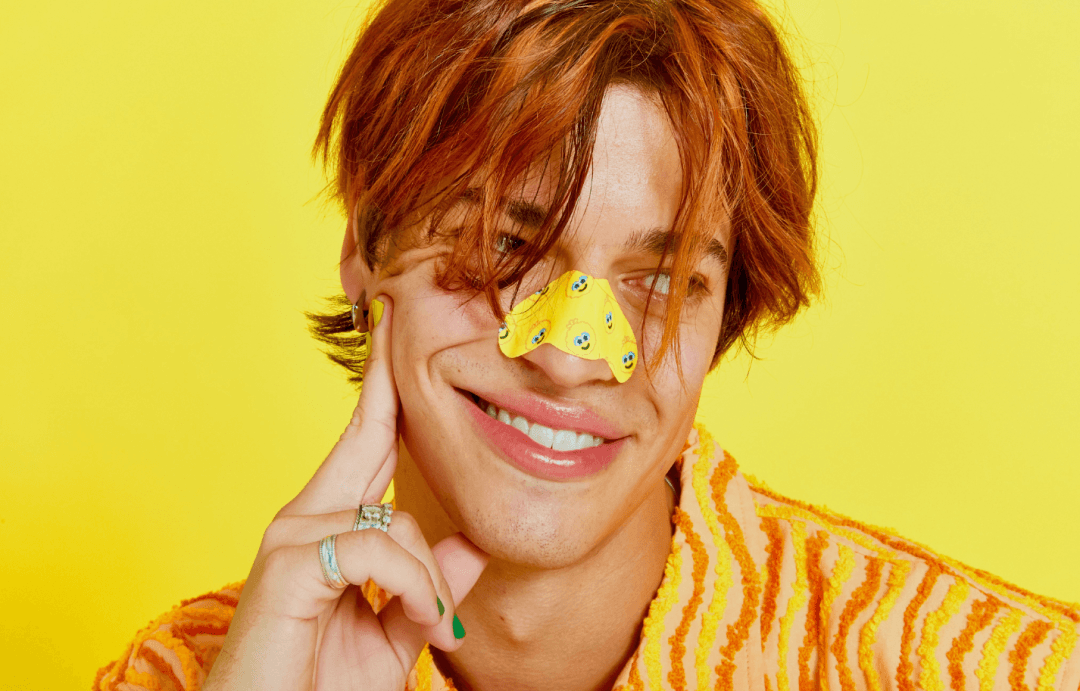
Venue des États-UnisStarfacemarque, est justement un tel disrupteur. Fondée en2019, cette marque, grâce à ses patchs anti-acné en forme d'étoile, a non seulement vendu plus d'un milliard de patchs, mais a également réalisé en 2024 un chiffre d'affaires de plus de90 millions de dollars américains(environ646 millions de yuans chinois) de revenus, avec un taux de croissance annuel de200%(Source des données :founderoo.beehiiv, Kuàtōngshè)。
Source de l'image :Starface
La subversion d'une idée et la naissance d'une marque
Rien qu'en regardant l'histoire du développement de la marque,La naissance de la marque Starface ressemble davantage à une profonde rébellion des fondateurs contre le marché et la psychologie des consommateurs.
marqueCo-fondatriceJulie Schott était rédactrice beauté pour le magazine Elle, et après des années d'observation du secteur, ellea depuis longtempsse lassait de l'obsession de l'industrie de la beauté pour"une peau parfaite et sans défaut" ainsi que le récit où les produits anti-acné tentent toujours de faire cacher les imperfections aux utilisateurs. Elle et son associé Brian Bordainick ont découvert que la nouvelle génération, en particulier la génération Z, aspire à des modes d'expression plus authentiques et plus personnels.
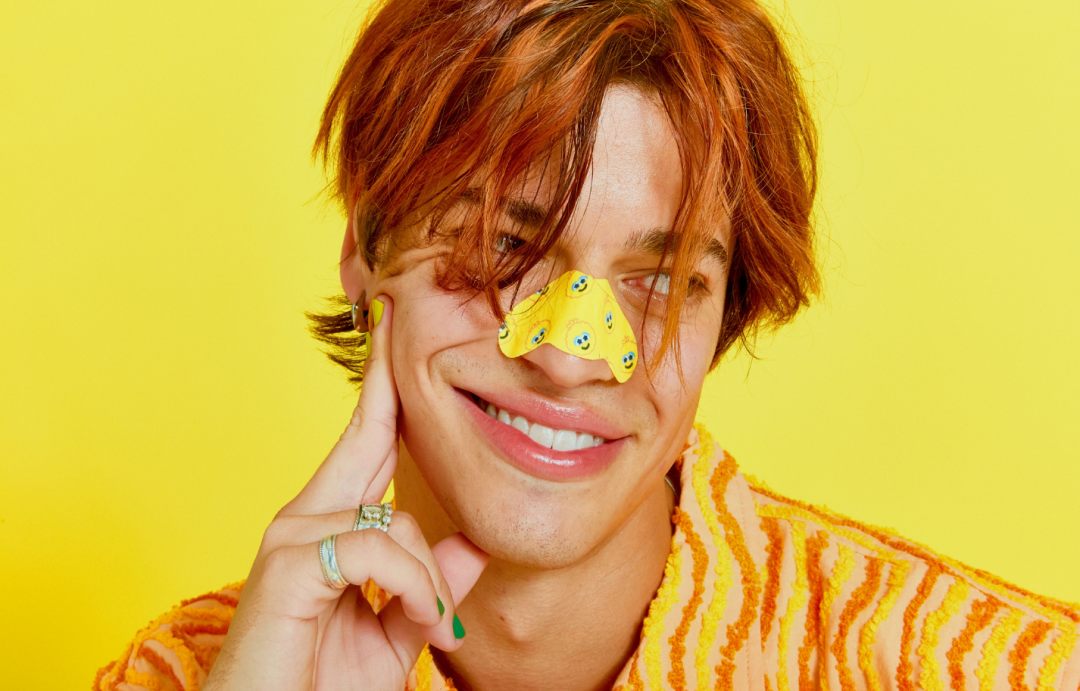
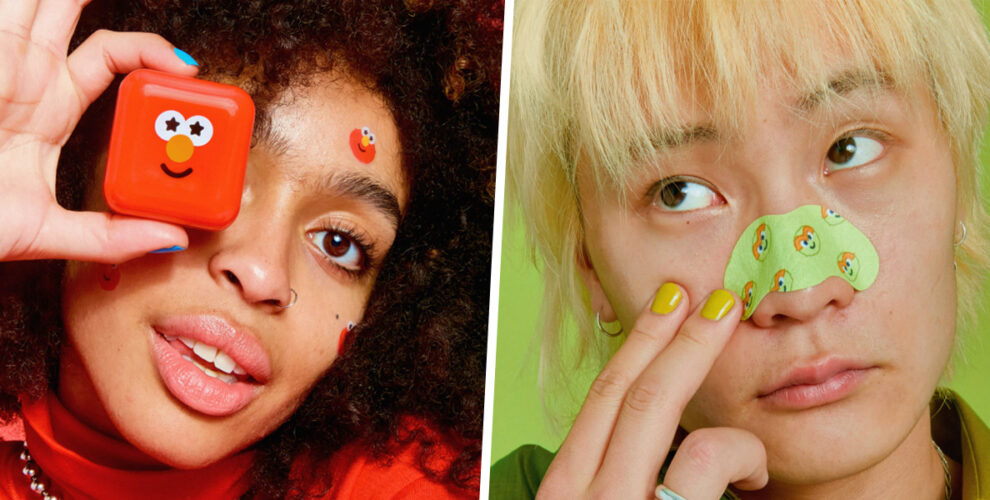
Alors, ils ont décidé de faire l'inverse.En 2019, Starfacela marquea lancé son produit phare"Hydro-Stars". Il a complètement abandonné la conception invisible des patchs anti-boutons traditionnels qui recherchent la couleur de peau, et a adopté un jaune vif extrêmement voyant et une forme d'étoile. Ce n'est pas seulement un changement d'apparence, mais une déclaration de proposition de valeur, faisant des boutons un sujet de conversation sur les réseaux sociaux.
Source de l'image :zula
Une lacune dans un secteur de dix milliards de dollars
StarfaceLa marqueLe succès ne repose pas seulement sur un joli design. Il a précisément touché un marché vaste et en croissance, ainsi qu'un sentiment de consommation qui subit un changement profond.
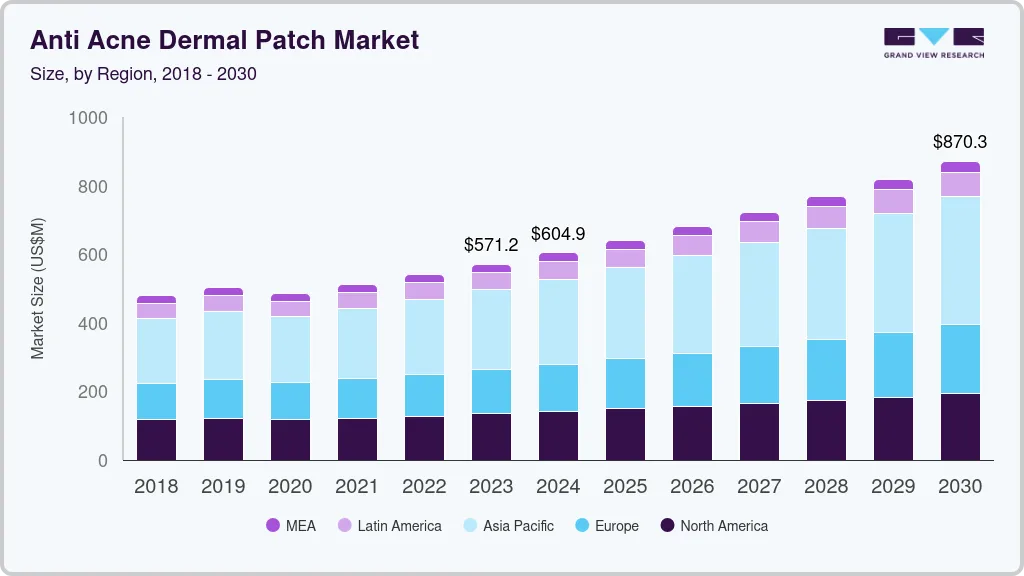
Selonles données de Grand View Research, le marché mondial des patchs anti-acné (anti-acne dermal patch) était d'environ 571 millions de dollars en 2023, et devrait atteindre environ 870 millions de dollars d'ici 2030, avec un taux de croissance annuel composé d'environ 6,2 % entre 2024 et 2030.
Du point de vue des consommateurs, plus de95 % des garçons et 85 % des filles sont touchés par l'acné à l'adolescence, et près de la moitié des adultes y sont encore confrontés.
Celasignifie ainsisignifie que les patchs anti-acné sont naturellement destinés à un“Presque une couverture universelle” du pool de demande.
Source de l'image: grandviewresearch
Et dans ce marché, entre l'offre du marché et la demande de la nouvelle génération« l'écart émotionnel » est également devenu une grande opportunité pour le développement de la marque.Alors que la grande majorité des marques utilisent encore un langage froid, médical et réparateur pour vendre leurs produits,Starfacemarquea astucieusement saisile courant culturel de « Acne Positivity » (l'activisme anti-acné).
Surtout surTikTok et autres plateformes, le hashtag #Acne a plus de dix milliards de vues, les jeunes commencent à afficher ouvertement leurs problèmes de peau, les considérant comme une partie réelle de leur vie.
C'est précisément pour cette raison, un produit simple, une identité visuelle très distinctive, et en parfaite adéquation avecles jeunesla marque dotée de valeurs des jeunes a naturellement plus de chances d'être poussée sur le devant de la scène.
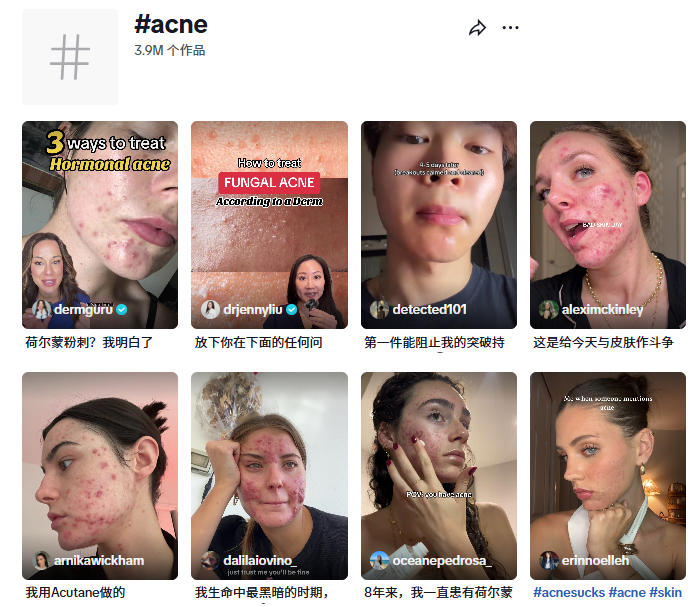
Source de l'image: TikTok
Médias sociauxDisposition: utiliser« Star Face » transformée en monnaie sociale
Si ce sont le produit et l'idée qui ont permis àStarface de se lever, alorsla large diffusion sur les réseaux sociaux, a permis àla marquede parcourir le mondemarché étrangerle moteur clé
dèsTikTok est encore en pleine explosion, Starface.marquea capté avec acuité la plateforme de vidéos courtes surL'influence auprès de la génération Z, devenant l'une des premières marques de cosmétiques et de soins de la peau à investir dans le contenu TikTok et la collaboration avec des KOL.
leurLe contenu n'est pas une promotion forcée, mais à travers des vidéos courtes amusantes, lancer"Des défis comme « Star Face » pour stimuler le sentiment de participation."
Par exemple, une vidéo publiée par la marque transformant le produit en yo-yo, dansTikTok a obtenu près de 14,7 millions de vues, illustrant vivement que le contenu « doux » parvient souvent mieux que la publicité dure à transcender les cercles et à gagner l'affection.
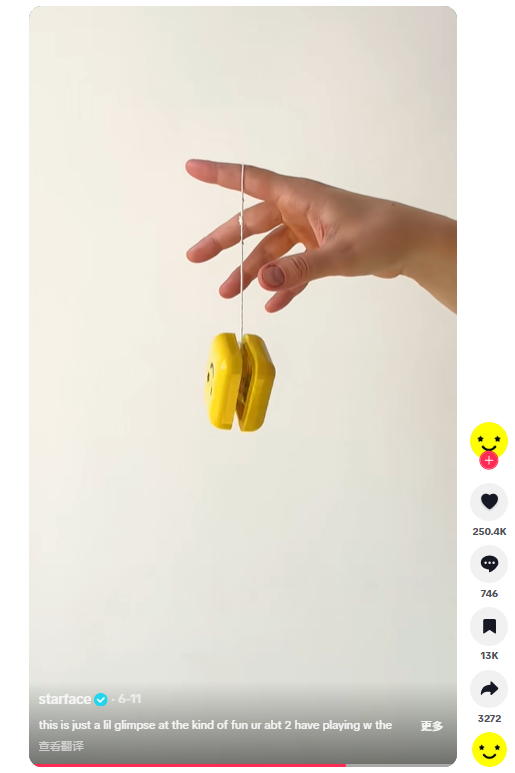
Source de l'image :TikTok
Ce qui est plutôt intéressant, c'est queEn dehors des promotions de produits traditionnelles, ils ont également créé une mascotte « Big lil » à l'image de leur produit phare Hydro-Stars Big Yellow, liant profondément la marque à une image IP vivante.
àSur le compte TikTok officiel de Starface, ils ont publié une série de contenus narratifs autour de Big Lil, comme la « série d’anniversaire de Big Lil » (anniversaire de la marque) pour fêter son anniversaire, ou encore l’introduction naturelle de nouveaux produits via une storyline comme « Les nouveaux amis de Big Lil ».
Ce marketing de contenu personnifié rend la communication de marque vivante, amusante et chaleureuse, favorisant grandement l'interaction et le partage des utilisateurs.
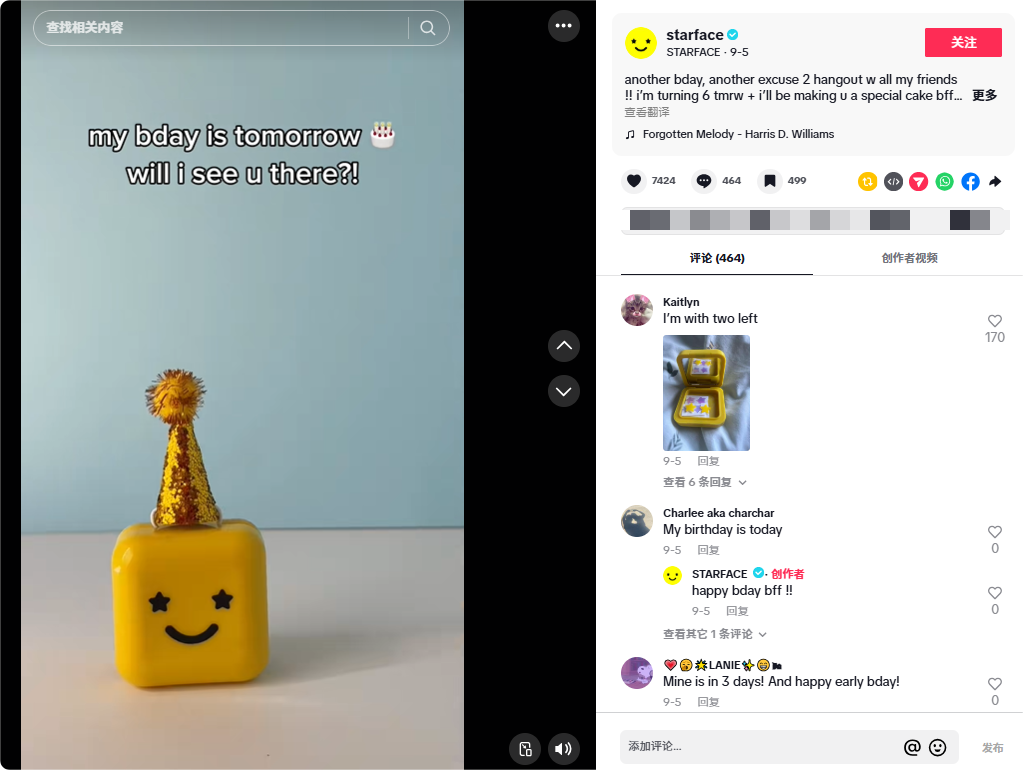
Source :TikTok
jusqu'à présent,Compte officiel de la marque StarfaceFaita accumulé plus de31010 000 fans,vidéoLe nombre total de vues dépasse 457 millions,dans la description de la page d'accueil du compte, ils ont directement lié des partenaires de vente au détail tels que Target, Walmart, CVS, Walgreens, Ulta Beauty, Superdrug, réalisant une exposition simultanée « contenu – canal ».
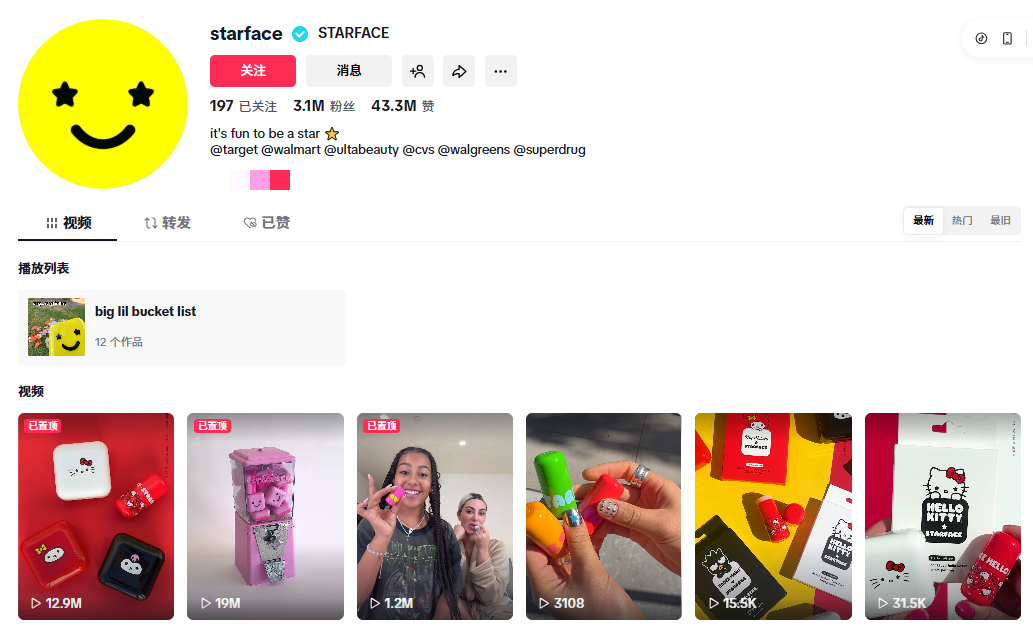
Source : TikTok
De plus, La marque Starface accorde également une grande importance à la coopération promotionnelle avec les influenceurs TikTok. Sa stratégie de promotion peut être résumée comme suit : Disposition en couches+ accent sur la conversion,ce qui se reflète également dans les données des influenceurs associés de la marque.
Ils avec des influenceurs de différents niveaux influenceurscoopèrent pour former une matrice de diffusion。Les influenceurs principauxsont chargés de créer du buzz et de réaliser la percée ;Les influenceurs intermédiairespénètrent alors différents cercles d'intérêt, établissent la confiance grâce à des partages authentiques et forment un réseau de diffusion multidimensionnel.
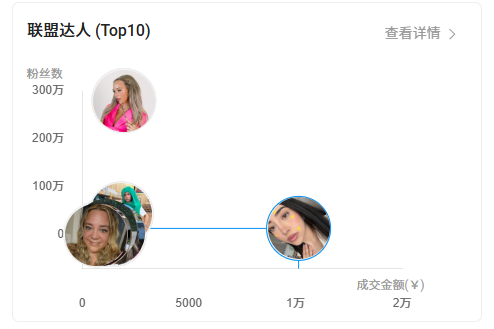
Source : kalodata
Sur Instagram, la marque Starface se concentre sur la construction d'une esthétique visuelle à haute saturation et fort contraste.
Son compte compte plus de 639 000 followers, combinant étroitement les patchs anti-boutons avec le maquillage tendance et le style de vie à travers des images et des vidéos courtes soigneusement composées, façonnant une image de marque à la fois tendance et décontractée, parfaitement en phase avec la philosophie de la marque.
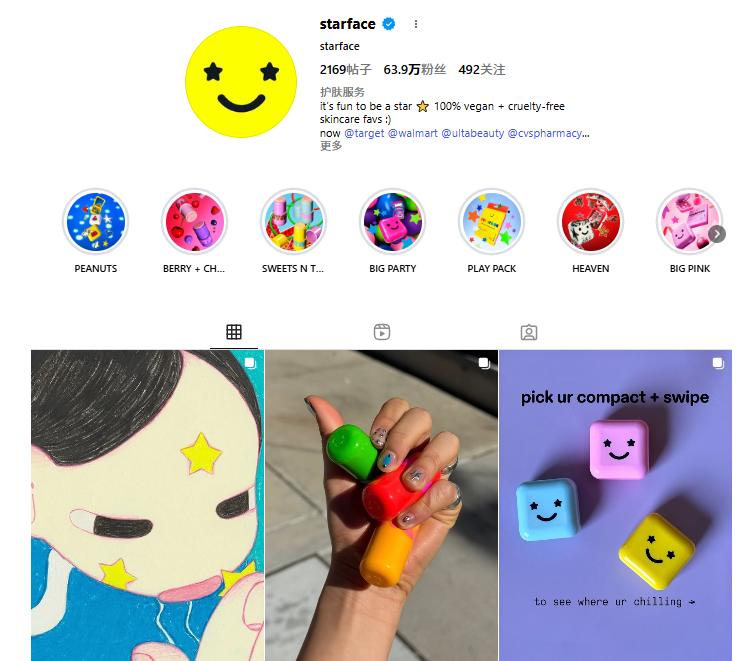
Source de l'image :Instagram
Du volume à la vente : la stratégie omnicanale déclenche la croissance
L'explosion du volume en ligne a ouvert la voie pourla marque Starface pour développer des canaux de vente diversifiés. Plutôt que de se limiter au modèle DTC initial, elle a activement promu une stratégie omnicanale.
Son site indépendant, en tant que noyau de l'image de marque et de la communauté d'utilisateurs, capte le trafic ciblé des grandes plateformes sociales.
D'après les données,Le trafic du site indépendant de Starface en novembre était d'environ 175 000, dont 14,13 % de trafic social et 38,20 % de trafic organique, illustrant clairement l'équilibre sain établi entre le marketing actif et la croissance organique.
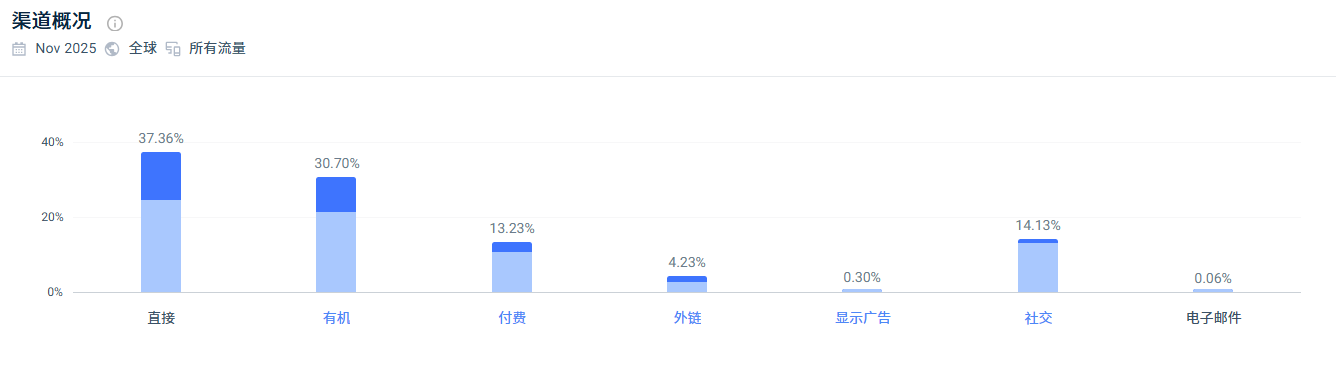
Source de l'image :similarweb
Parallèlement,La marque Starface a également investi massivement sur des plateformes de commerce électronique tierces comme Amazon, et a réussi à pénétrer les principaux détaillants physiques nord-américains tels que Target et Walmart.
Cette stratégie a considérablement abaissé la barrière d'achat pour les consommateurs, rendant les produits aussi accessibles que des articles de tous les jours. Les effets de l'expansion des canaux ont été immédiats :En 2024, les ventes de ses canaux de vente au détail physiques ont augmenté de 212 % en glissement annuel, et celles du canal Amazon de 153 % (source : BrandArk).
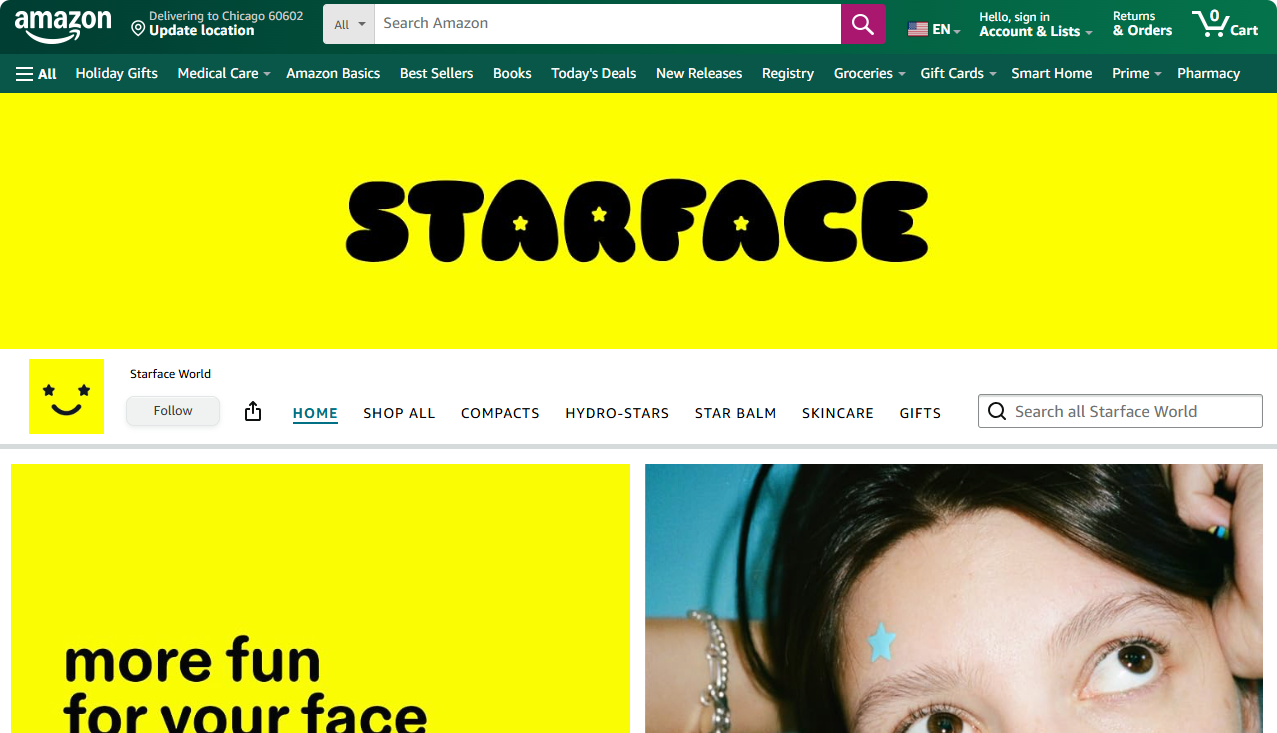
Source de l'image :amazon
Plus que l'expédition
DeLe parcours de Starface montre qu'une marque internationale réussie va bien au-delà du simple envoi de produits vers des entrepôts à l'étranger.
Elle nécessite une profonde« exportation de valeur » : la capacité à comprendre et répondre avec précision aux émotions culturelles et aux besoins psychologiques des nouvelles générations de consommateurs sur le marché cible.
Les marchés étrangers, en particulier celui des jeunes consommateurs, attendent que des marques capables d'aller au-delà des fonctionnalités des produits et d'offrir une valeur émotionnelle et une identité culturelle les explorent.
Face à la concurrence, le véritable point de rupture n'est peut-être pas d'en faire plus, mais de penser différemment.


