
 2298
2298En Chine, le tricycle électrique (communément appelé « sanbengzi ») a toujours été considéré comme un moyen de transport bas de gamme. Pourtant, ce véhicule, relégué au bas de l'échelle dans son pays d'origine, a suscité une frénésie d'achats à l'étranger, en particulier sur les marchés européens et américains.
Depuis le début de l'année, les ventes de sanbengzi produites par la société Guowei à Wuxi, dans le Jiangsu, ont triplé aux États-Unis, stimulant la croissance des exportations de l'ensemble de l'industrie des véhicules électriques.
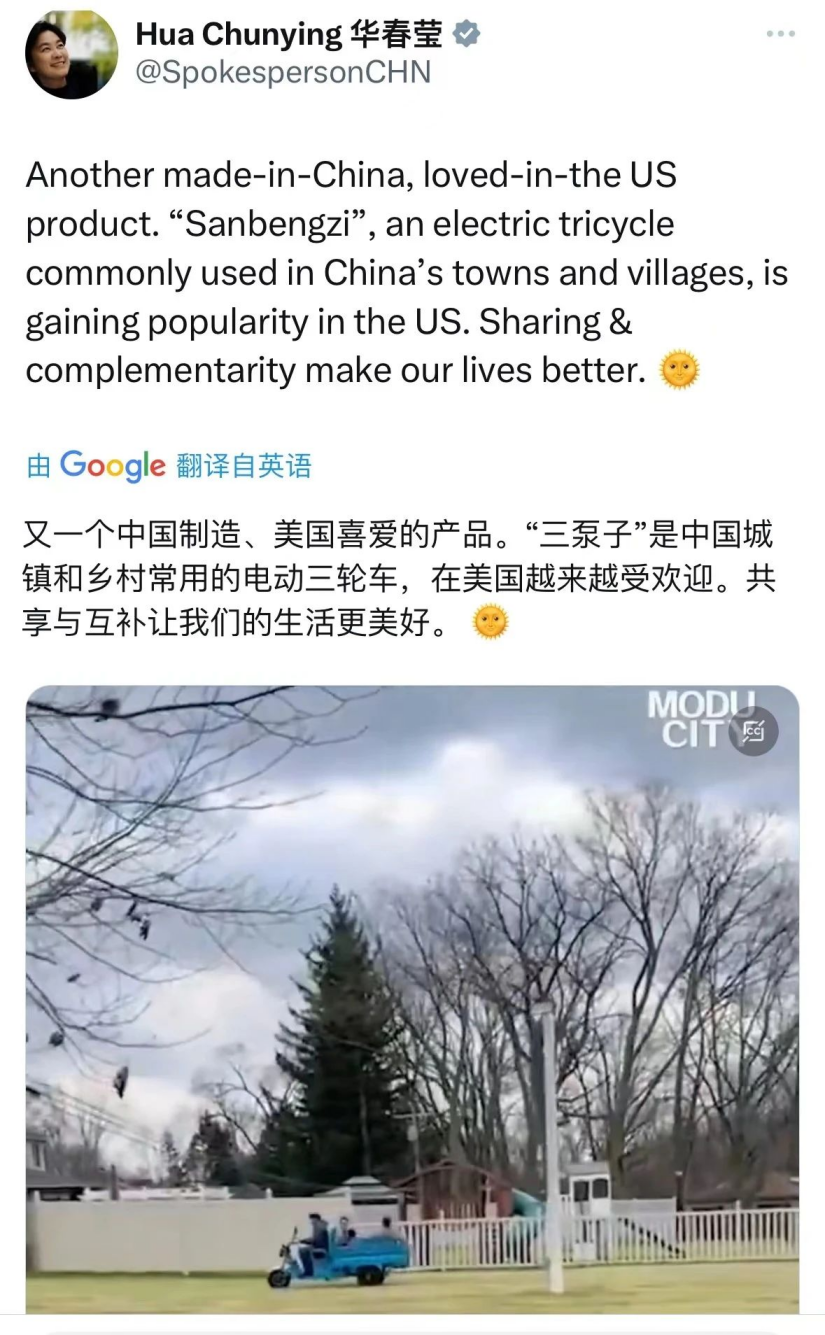
Hua Chunying, assistante du ministre chinois des Affaires étrangères, a également fait l'éloge du sanbengzi sur les réseaux sociaux étrangers, le qualifiant de « un autre produit fabriqué en Chine, adoré aux États-Unis ».
01
Pourquoi le sanbengzi connaît-il un succès fulgurant à l'étranger ?
Rapport qualité-prix et praticité
Le succès fulgurant du tricycle électrique sur les marchés étrangers s'explique principalement par son excellent rapport qualité-prix et son extrême praticité. Les agriculteurs américains ont découvert que le sanbengzi est une alternative très rentable au pick-up.
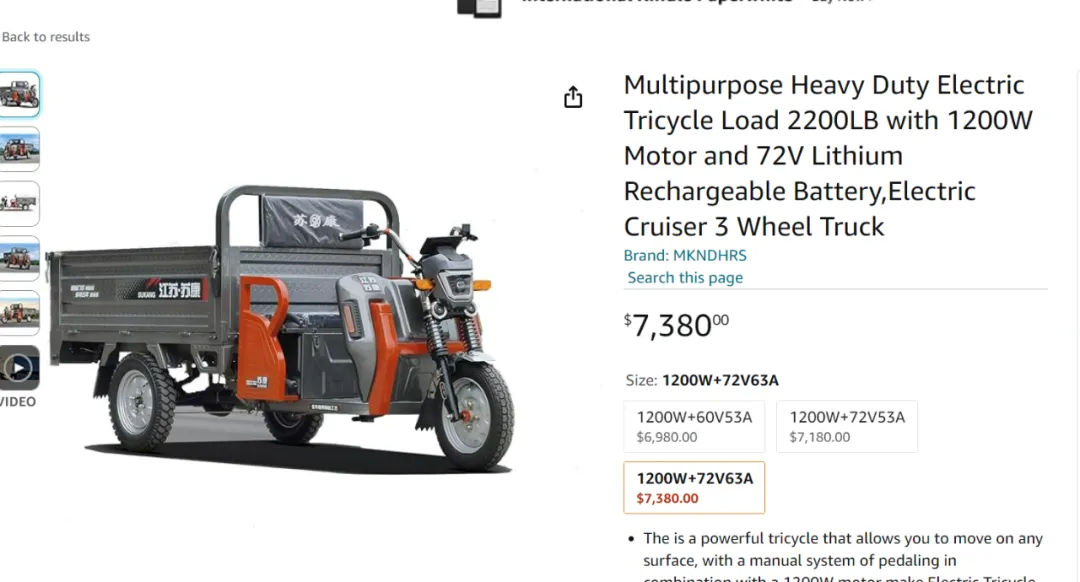
Prenons l'exemple du sanbengzi chinois : son prix de vente n'est que d'un cinquième de celui d'un pick-up, mais il peut remplir les mêmes fonctions. Un pick-up coûte environ 40 000 à 50 000 dollars, tandis qu'un sanbengzi ne coûte que 600 dollars. Même en ajoutant les frais de transport et de dédouanement, le prix reste bien inférieur à celui d'un pick-up.
L'évaluation d'un beau-père américain sur le sanbengzi dit tout : « C'est très pratique pour aller faire les courses au supermarché. Un trajet qui prend 20 minutes en voiture à cause des embouteillages ne prend que 5 minutes en sanbengzi. » De plus, le sanbengzi peut être immatriculé comme une moto et bénéficie des mêmes droits de circulation, ce qui renforce encore sa praticité.
L'impulsion des réseaux sociaux
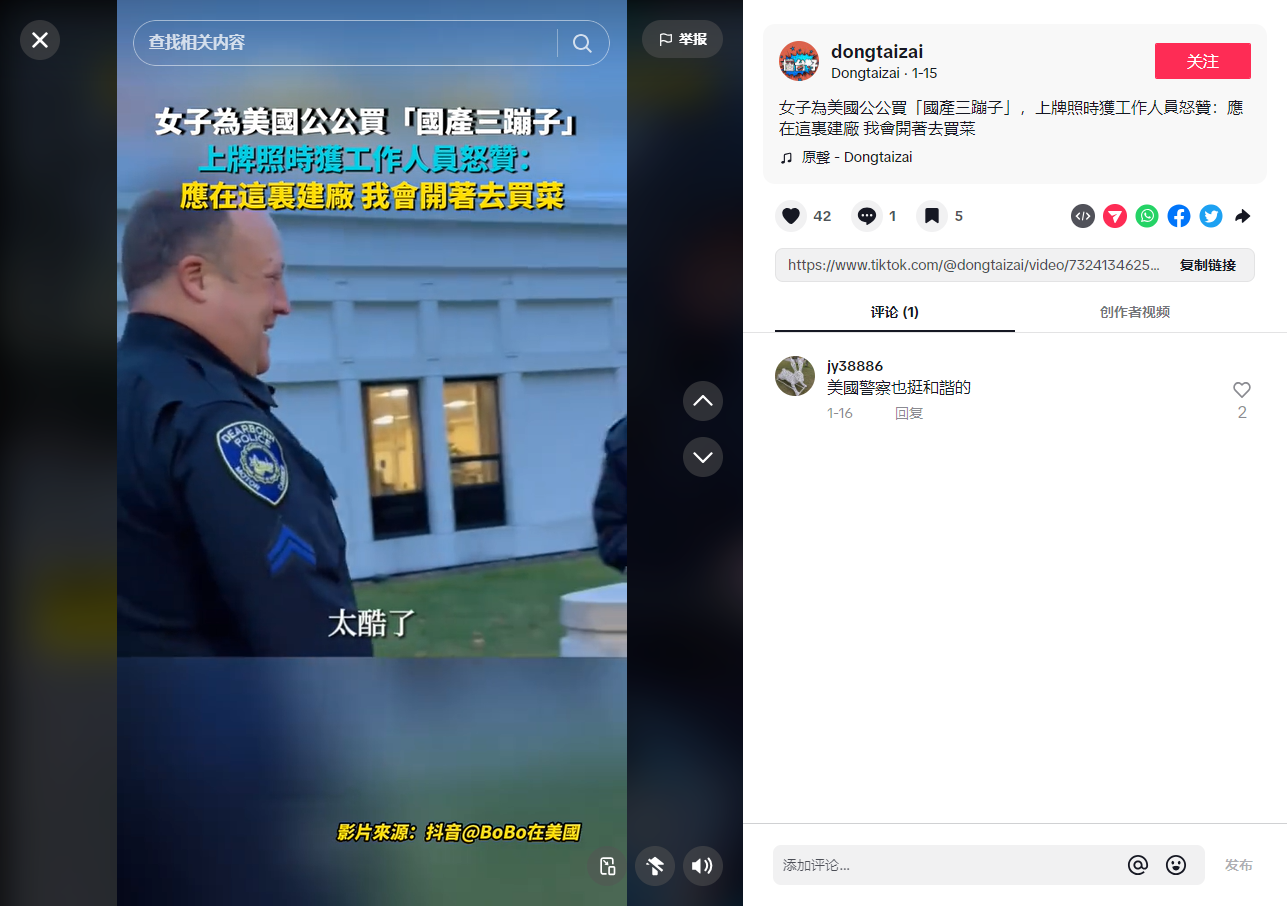
La popularité du sanbengzi en Amérique du Nord doit beaucoup à l'impulsion des réseaux sociaux. La blogueuse « Bobo aux États-Unis » a partagé l'histoire de son beau-père américain tombant amoureux du sanbengzi. La vidéo a attiré une large attention sur le Douyin chinois et sur TikTok à l'étranger. Le soir même de la réception du véhicule, le beau-père américain est sorti se promener en sanbengzi. Le son « Attention, marche arrière » a résonné dans tout le quartier, attirant de nombreux regards. Le sanbengzi est devenu un accessoire tendance et un objet de fierté dans le quartier.

Parallèlement, la popularité du sanbengzi sur les plateformes sociales étrangères a également stimulé les ventes. De nombreux utilisateurs étrangers partagent leurs expériences avec le sanbengzi sur TikTok, Instagram et d'autres plateformes, suscitant l'intérêt et l'envie d'achat d'un plus grand nombre de personnes. Les entreprises chinoises en ont profité pour accroître l'influence du sanbengzi grâce au marketing sur les réseaux sociaux et à la promotion par des influenceurs.
02
Le sanbengzi d'exportation peut-il continuer à connaître le succès à l'étranger ?
Bien que le sanbengzi soit très populaire sur les marchés étrangers, son exportation est confrontée à de nombreux défis. En raison des coûts de transport élevés, la plupart des sanbengzi sont actuellement exportés sous forme de pièces détachées, puis assemblés par des distributeurs locaux. Ce modèle, bien qu'il réduise les coûts de transport, augmente la complexité de la gestion de la chaîne d'approvisionnement.
De plus, bien que le sanbengzi soit facile à prendre en main, puisse être immatriculé et soit bon marché, ce qui en fait un « outil idéal pour apprendre à conduire rapidement », les réglementations et politiques varient d'un pays à l'autre, avec des règles différentes concernant l'immatriculation et l'utilisation des tricycles électriques. Les entreprises chinoises doivent mener des études de marché détaillées avant d'exporter, afin de comprendre les réglementations, l'état des routes et les habitudes des utilisateurs sur le marché cible, et de s'assurer que le produit est conforme aux exigences locales.
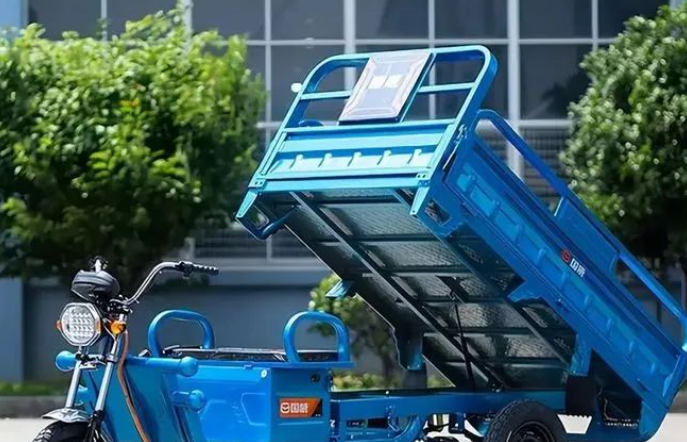
Malgré les défis, les perspectives d'exportation des tricycles électriques sont vastes. Avec l'attention mondiale croissante portée aux nouvelles énergies et à la réduction des émissions, les tricycles électriques, en raison de leurs caractéristiques écologiques, pratiques et de leur bon rapport qualité-prix, trouveront des marchés dans davantage de pays et de régions.
De plus, en raison de la désindustrialisation des pays occidentaux, qui a conduit à un vide industriel, même si la fabrication du sanbengzi est bien plus simple que celle d'une voiture normale, il leur est difficile de trouver des fournisseurs de pièces détachées, et même s'ils en trouvent, les prix sont exorbitants. Une entreprise de New York avait prévu d'utiliser des véhicules électriques pour la livraison de colis, d'apparence similaire au sanbengzi, mais ce véhicule se vendait 80 000 dollars.
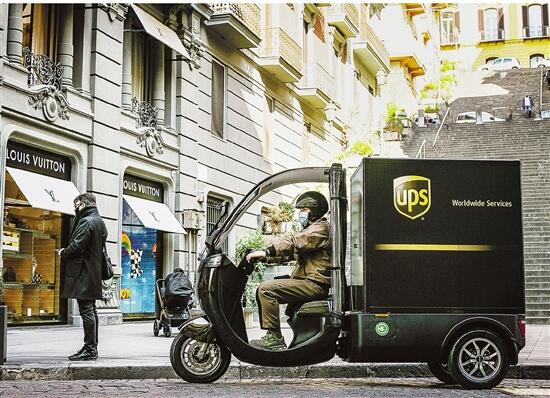
Cela fait que ce moyen de transport pratique ne peut dépendre que des importations, ce qui explique pourquoi il peut être vendu dans plus de 70 pays dans le monde.
Certaines entreprises ont déjà commencé à établir des bases de production à l'étranger pour faire face aux défis rencontrés lors de l'exportation. Par exemple, des entreprises de Wuxi (Jiangsu), Linyi (Shandong) et Luoyang (Henan) explorent activement la création d'usines en Europe, en Amérique, en Asie centrale et dans les pays de l'initiative « Ceinture et Route », afin d'améliorer l'efficacité de la production et de réduire les coûts.
En résumé, le succès du tricycle électrique sur les marchés étrangers est non seulement une démonstration de la puissance de fabrication de la Chine, mais aussi le résultat d'un positionnement précis sur le marché et de stratégies marketing efficaces. À l'avenir, avec l'arrivée de plus en plus d'entreprises dans ce secteur, le tricycle électrique devrait continuer à briller sur le marché mondial.