 1755
1755« Nous n’allons nulle part. »
——周受资
La loi interdisant TikTok a été adoptée par le Sénat américain avec un vote de 79 contre 18.
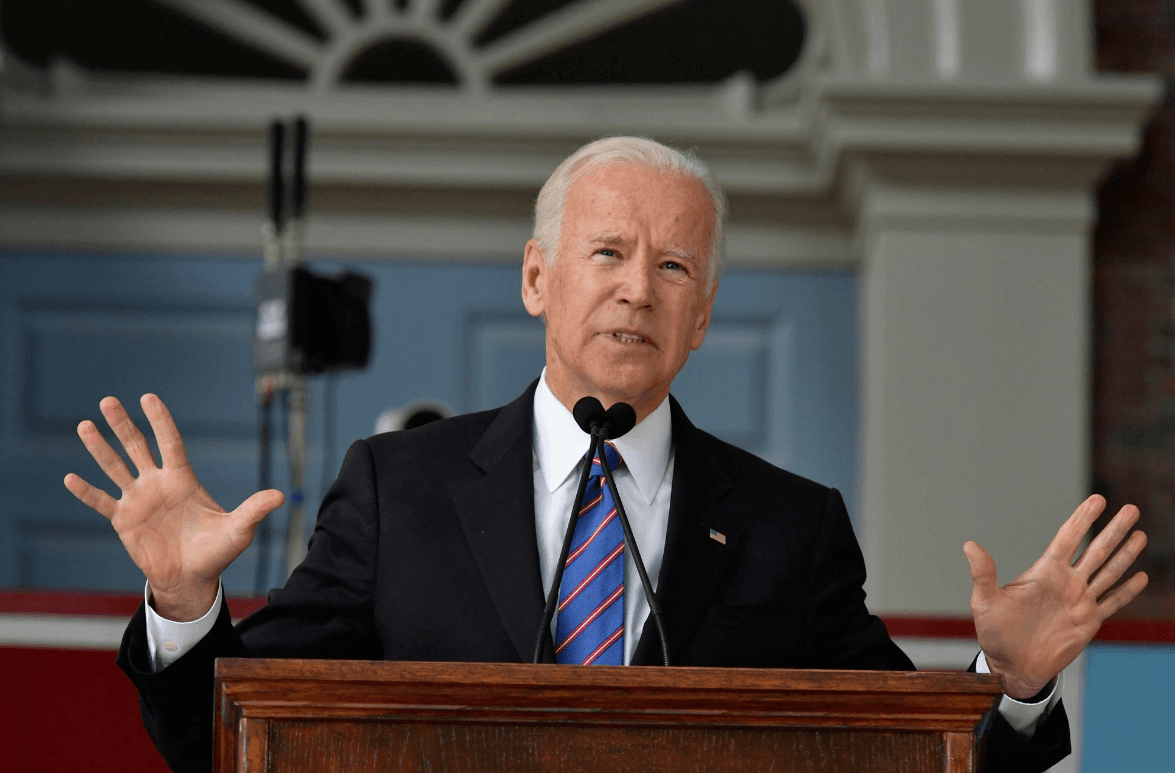
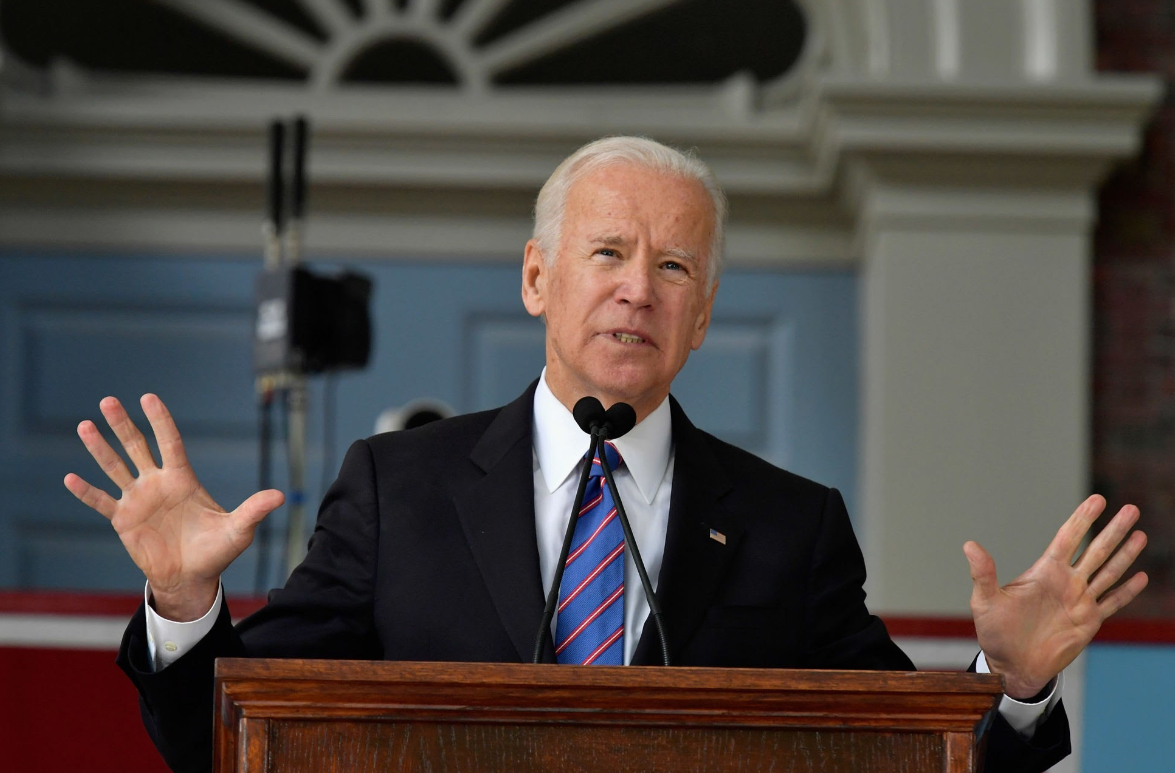
Le soir du 24 avril, le président américain Joe Biden a signé un ensemble de lois d’aide internationale d’une valeur de 95 milliards de dollars. L’un des éléments très suivis est l’exigence spécifique concernant l’application TikTok de la société ByteDance.
Selon le contenu de la loi, ByteDance doit achever la cession de TikTok dans les 9 mois à un an, faute de quoi l’application sera interdite sur le marché américain.
En réponse, le PDG de TikTok, 周受资, a déclaré solennellement : « Nous n’allons nulle part. » TikTok a répondu que cette loi inconstitutionnelle est en réalité une interdiction de TikTok, et que nous la contesterons devant les tribunaux. Nous croyons fermement que les faits et la loi nous soutiennent clairement, et qu’à la fin, nous remporterons ce combat.
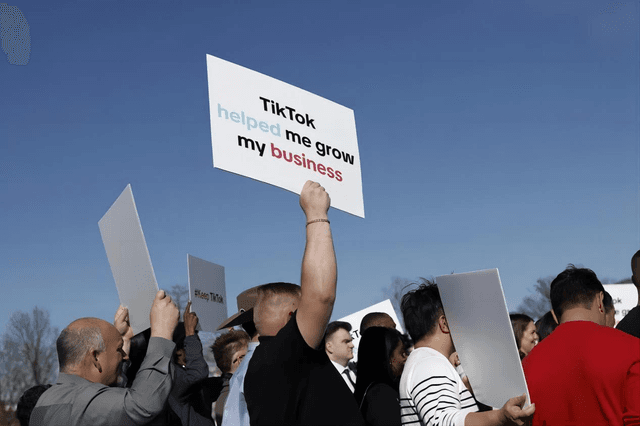
En réalité, TikTok a déjà dépensé des milliards de dollars pour garantir la sécurité des données des utilisateurs américains et pour éloigner la plateforme de toute influence ou manipulation extérieure. L’adoption de cette interdiction nuirait à 7 millions d’entreprises américaines et priverait 170 millions d’utilisateurs américains de leur voix. TikTok a déclaré qu’en continuant à contester cette interdiction inconstitutionnelle, il continuera également à investir et à innover pour faire de TikTok une plateforme où tous peuvent partager en toute sécurité leurs expériences personnelles, trouver du plaisir et de l’inspiration.
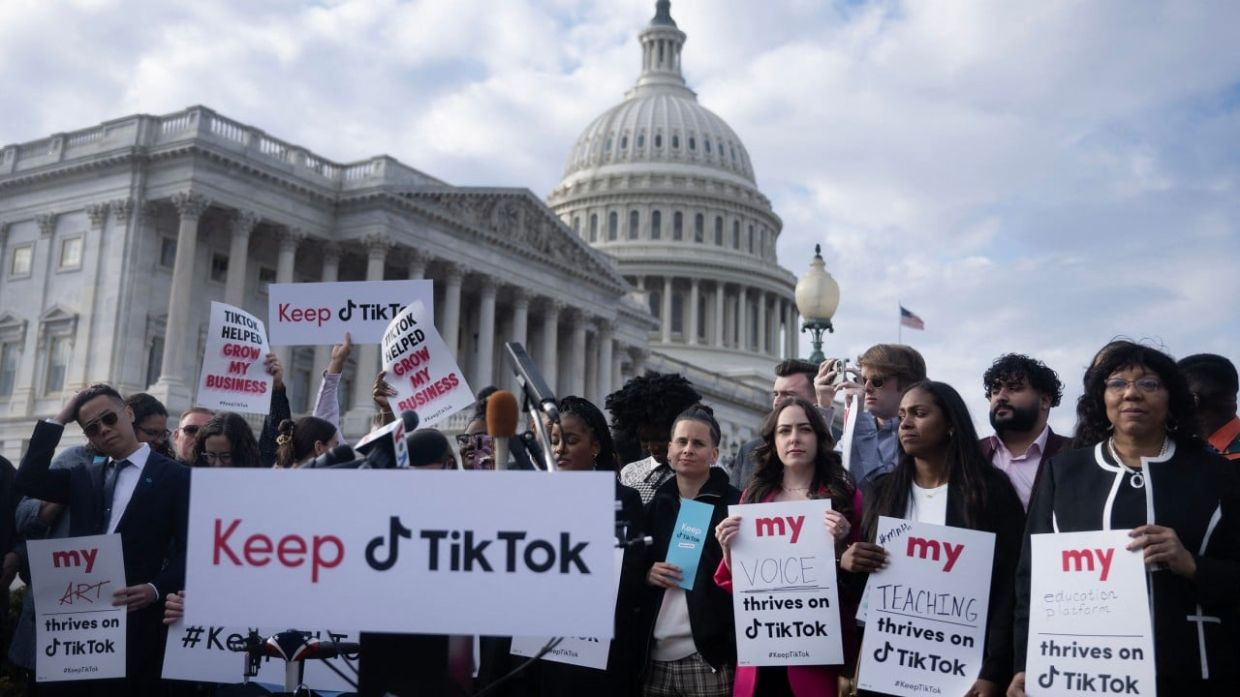
Selon des informations de Reuters, TikTok pourrait contester cette loi en se basant sur le Premier Amendement de la Constitution américaine. Cela laisse présager que les utilisateurs de TikTok prendront à nouveau des mesures juridiques pour défendre TikTok.
Il est indéniable que TikTok agira. Avant cela, le porte-parole du ministère chinois des Affaires étrangères, Wang Wenbin, en réponse aux accusations de la Chambre des représentants américaine contre TikTok, avait clairement indiqué que, bien que les États-Unis n’aient jamais fourni de preuves tangibles que TikTok constitue une menace pour la sécurité nationale américaine, leur répression contre TikTok n’a jamais cessé. Cette attitude de concurrence déloyale et ces pratiques « hégémoniques » violent non seulement les principes fondamentaux de l’économie de marché, mais piétinent également gravement l’esprit de liberté et d’ouverture d’Internet international, et finiront par se retourner contre eux.
En tant que plateforme de médias sociaux mondiale, TikTok a favorisé les échanges interculturels et a offert un espace d’expression et de développement à de nombreuses petites entreprises et talents créatifs. Son interdiction aux États-Unis priverait des millions d’utilisateurs et de créateurs de cette plateforme d’expression, tout en nuisant à la diversité concurrentielle et à l’innovation sur le marché américain. En somme, nous espérons que TikTok montrera sa détermination et sa force dans la « guerre » à venir et remportera la victoire finale.