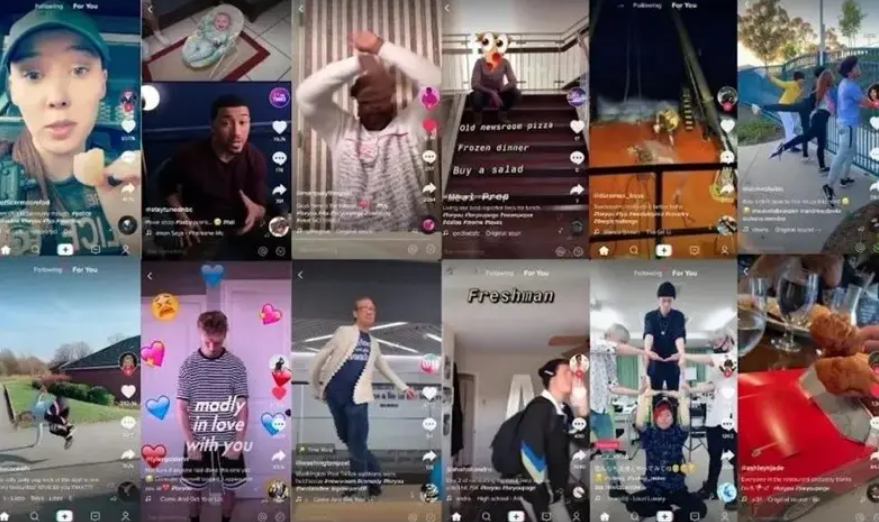
In previous articles, Tuke mentioned that as TikTok becomes increasingly popular worldwide, more and more brands and individual creators are exploring how to form a matrix with multiple accounts to maximize traffic and achieve synergistic fan growth.

The concept of the TikTok matrix and the methods for building a matrix have also been introduced. So this time, let's talk in detail about thecore strategies of the TikTok matrix and practical tips.

I. What is the TikTok Matrix?

Simply put, the TikTok matrix is a strategy that utilizes multiple TikTok accounts for coordinated operations.

Through the interconnection and mutual recommendation of multiple accounts, fans can flow and interact between different brand accounts, quickly increasing the number of followers and exposure. This method is especially suitable for new accounts, as old accounts can drive traffic and recommend new accounts, allowing them to quickly accumulate followers.

The matrix is not only for gaining followers, but also for delivering stylized content in different niche areas to meet the diverse needs of users, thereby increasing user stickiness and conversion rates.

II. Core Ideas of the TikTok Matrix Strategy

The core of the TikTok matrix strategy lies in gradually building a "point-to-point network." This can be understood as setting benchmarks, establishing standards, and gradually achieving the growth of TikTok accounts from 0 to 1.

Specifically, first create a successful account, then replicate this successful model to multiple accounts. Through mutual recommendation and traffic import among these accounts, a strong network effect is formed.

The matrix strategy is not limited to gaining followers, but focuses more onniche markets and vertical content output. By covering different content areas with matrix accounts, the diverse needs of users are met, achieving secondary or even tertiary conversions and enhancing fan loyalty and stickiness.

III. Practical Ways to Play the TikTok Matrix

1. Determine the Content Positioning of Each Account

Different accounts need to have clear content positioning, mainly divided into the following categories:

- Traffic Account:Aims mainly for exposure and gaining followers. Usually includes categories such as beauties, pets, comedy, etc. The content of these accounts is light and fun, easily attracting a large number of fans.

- Sales Account:Aims for e-commerce traffic and monetization, including product recommendations and marketing content. These accounts have higher costs, require original videos and careful production, and rarely use reposted content.

- IP Account:Content is highly vertical with a strong IP attribute, usually featuring real people, making it easy to build a personal brand and IP. These accounts have diverse monetization methods and strong sales capabilities.

- Traffic-Redirecting Account:Mainly aims to drive traffic to e-commerce platforms and increase seller exposure. Cross-border e-commerce sellers often use such accounts to attract traffic to their stores through high exposure.

2. Precautions for Matrix Strategy

- Prevent Network IP Linking:It is best not to connect more than five TikTok accounts to one network IP, otherwise it is easy to be detected by the platform and result in traffic restriction or even account banning.

- Prevent Device Linking:Do not frequently switch accounts on the same device to avoid the platform judging the accounts as over-marketed, which may lead to account banning.

- Handle Accounts in a Timely Manner:Efficiency is key in matrix strategy. Accounts that fail should be dealt with promptly. Accounts with few followers can be abandoned directly, while those with a certain fan base can be sold.

IV. Practical Case Analysis

To better understand the TikTok matrix strategy, let's look at a few real cases:

Case 1: Matrix Strategy of a Beauty Brand

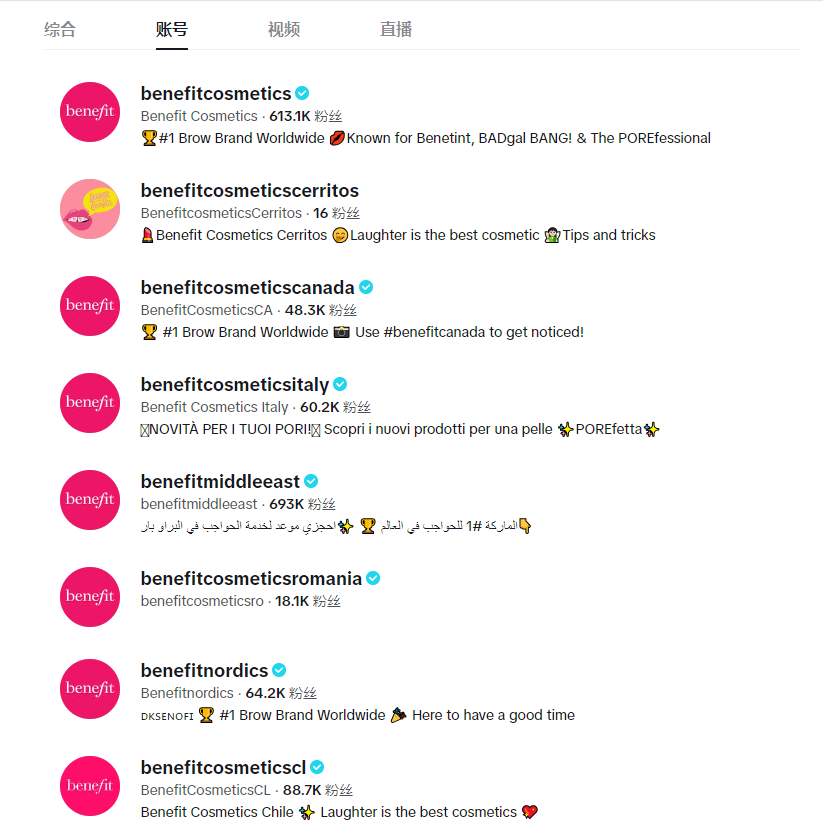
The beauty brand @Benefit Costmetics has created multiple accounts on TikTok, each focusing on a different content area. For example, one account focuses on skincare tips, another on makeup tutorials, and another on new product recommendations, etc. Through mutual recommendation and collaboration among these accounts, the brand quickly accumulated a large number of followers and successfully directed traffic to its e-commerce platform, achieving high sales.

Case 2: Traffic-Redirecting Strategy of Cross-Border E-commerce

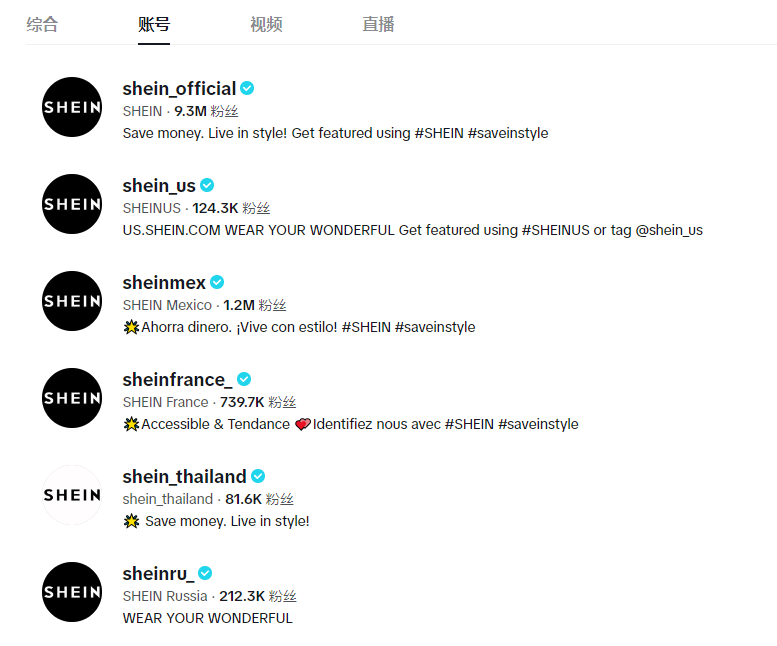
The well-known cross-border e-commerce company @Shein, which mainly sells fashion apparel, is particularly good at marketing through social media platforms. It has created multiple traffic-redirecting accounts on TikTok, quickly attracting a large amount of traffic through frequent content posting, diversified content output, and participation in trending topics. This traffic is then directed to the independent e-commerce website under the account, significantly boosting Shein's platform traffic and sales.

In addition, Shein often invites fashion bloggers and KOLs to collaborate, attracting more fans through their influence.

V. Future Trends and Suggestions

With the continuous optimization of the TikTok algorithm and the diversification of user needs, the matrix strategy will receive more and more attention. Here are some future trends and suggestions:

- Diversified Content Output:Content forms should be diversified, including short videos, live streaming, stories, etc., to attract different user groups.

- Refined Operations:Account operations should be more refined, focusing on data analysis and user feedback to continuously optimize content and strategies.

- Cross-Platform Collaboration:In addition to TikTok, attention should also be paid to other social platforms. Through cross-platform collaboration, greater traffic and user coverage can be achieved.

In short, the TikTok matrix strategy is an efficient account operation strategy. Through reasonable planning and execution, it can achieve rapid brand growth and explosive fan growth. I hope this article can provide you with valuable reference and help you achieve greater success on TikTok.