Is TikTok still a Chinese company? This internationally renowned short video social platform has always been the focus of public attention due to its background story and identity.

TikTok is a product launched by the Chinese company ByteDance. It first appeared in the Chinese market as "Douyin" and was later renamed TikTok to enter the international market. Although TikTok has achieved tremendous success globally, its Chinese origins and overseas operating model have also sparked a series of discussions and controversies.

1. The Origin of TikTok

First of all, it should be clarified that TikTok’s parent company, ByteDance, is a company registered in China, founded by Zhang Yiming. TikTok inherits ByteDance’s technological and algorithmic advantages, providing users with personalized content experiences through advanced recommendation mechanisms. The application of this technology has enabled TikTok to quickly win the love and recognition of users worldwide.

2. The Current Situation of TikTok

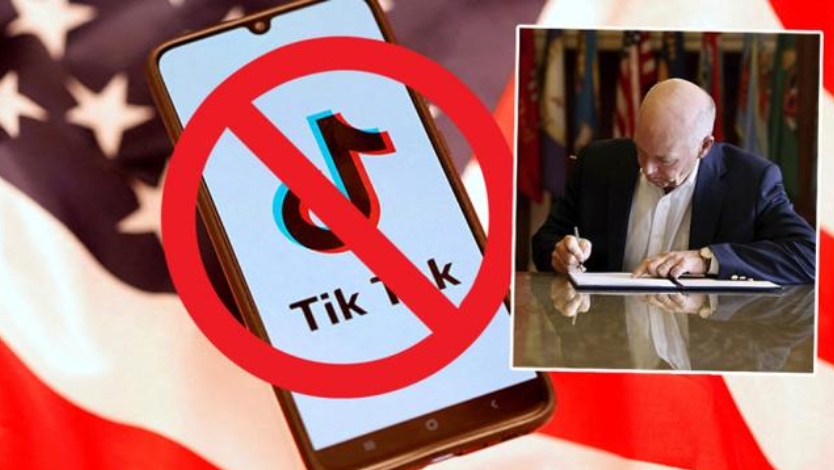
As TikTok expands in overseas markets, it also faces concerns from different countries regarding data security and privacy protection. Especially against the backdrop of China-US trade frictions, TikTok’s US operations have received special attention. In 2020, then US President Trump signed an executive order, citing national security, to put pressure on TikTok, which even faced the dilemma of being forced to sell or be banned. Although ByteDance took legal measures to fight back, this also reflects the challenges TikTok faces as a Chinese company on the international stage.

tiktok遭美国封禁

3. TikTok’s Response Measures

In order to better adapt to the international market, TikTok has made a series of localized adjustments. It has set up multiple offices around the world and hired management teams with international backgrounds to enhance its competitiveness and credibility in the global market. In addition, TikTok actively collaborates with creators, brands, and businesses in various countries to promote the diversification and commercialization of its content.

Nevertheless, TikTok’s Chinese identity remains an unchangeable fact. Its success, to some extent, is also a microcosm of the globalization strategy of Chinese internet companies. TikTok’s development process provides a valuable case for Chinese enterprises, demonstrating how to achieve cross-cultural and cross-regional communication and cooperation by respecting local cultures and laws and leveraging their own technological advantages.

TikTok is undoubtedly a company with Chinese origins, but its global success also benefits from its deep understanding and adaptation to local markets. In the future, how TikTok continues to demonstrate its unique value on the international stage while coping with various challenges will be a topic worthy of our continued attention.