 1386
1386
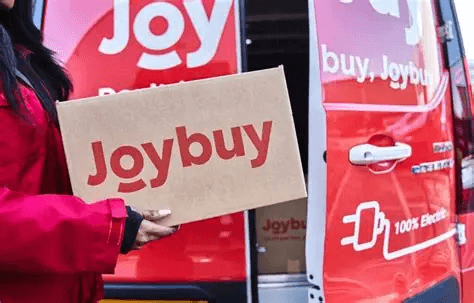
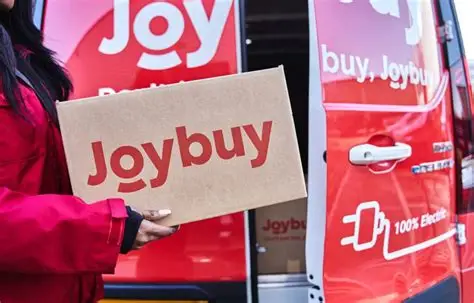
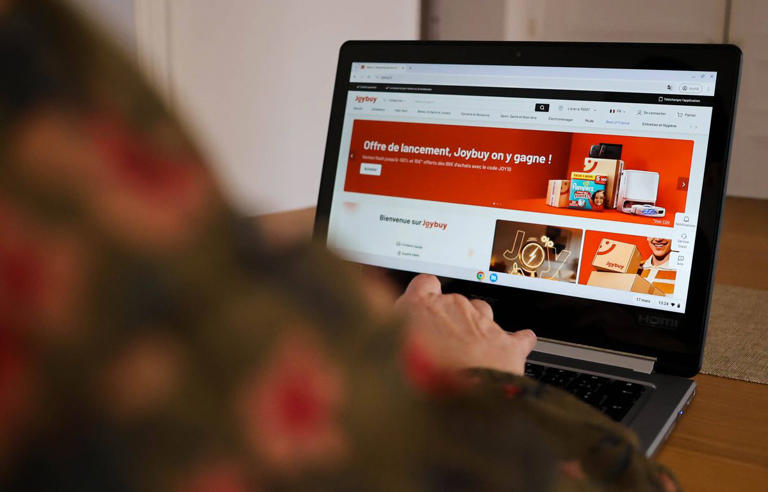
Những ai quan tâm đến thương mại điện tử vươn ra nước ngoài có thể đã chú ý, JD.com gần đây liên tục có các động thái tại châu Âu.Tháng 3 năm 2026, JD.com ra mắt thương hiệu bán lẻ trực tuyến hoàn toàn mới Joybuy tại châu Âu, định vị là nền tảng thương mại điện tử tự vận hành bản địa hóa.
Chỉ sau hai ngày ra mắt, Joybuy đã đạt vị trí số một về lượt tải xuống trong danh mục ứng dụng mua sắm trên cửa hàng ứng dụng Apple và Android tại sáu quốc gia châu Âu. Đồng thời, trên trang web đánh giá người tiêu dùng nổi tiếng Trustpilot, điểm tổng thể của nó cũng đạt 4,7 điểm.
Đây không phải lần đầu tiên JD.com xâm nhập châu Âu, nhưng cách làm lần này hoàn toàn khác biệt so với hai lần trước.
Nguồn ảnh: Internet
Mười năm mày mò của JD.com tại châu Âu
Nói ra thì, việc bố trí ra nước ngoài của JD.com thực ra bắt đầu khá sớm.Năm 2015 từng ra mắt nền tảng B2C xuyên biên giới Joybuy, nhưng vì không phù hợp môi trường, cuối cùng không phát triển bền vững. Năm 2022, JD.com lại ươm tạo Ochama tại châu Âu, tập trung vào bán lẻ cộng đồng, sau vài năm mày mò, tư duy vận hành cũng đã được điều chỉnh.
Sau nhiều lần thử sai, tư duy quốc tế hóa của JD.com đã trải qua một sự chuyển biến căn bản. Lưu Cường Đông vào năm ngoáitrong một cuộc trao đổi nội bộ trước 618 đã nói rõ: 'JD.com không đi theo mô hình thương mại điện tử xuyên biên giới', chiến lược quốc tế hóa nên là 'thương mại điện tử bản địa, xây dựng đội ngũ bản địa, chỉ bán hàng có thương hiệu'.
Dịch ra là: không làm kiểu gửi thẳng xuyên biên giới, mà làm những việc thương mại điện tử cần làm tại địa phương——xây kho, xây dựng đội xe giao hàng, tuyển nhân viên địa phương, bán hàng hóa có thương hiệu.
Nguồn ảnh: Internet
Từ việc chiêu thương thương hiệu đến hạ tầng logistics, quy mô không nhỏ
Theo hướng đi này,Joybuy gần đây chính thức khởi động đợt chiêu thương người bán thương hiệu mới.
Có vài điều đáng chú ý. Thứ nhất, tiêu chuẩn chiêu thương lần này khá cao, rõ ràng không đi theo con đường trải hàng giá thấp và xả kho thanh lý, tập trung vào các quốc gia có sức mua mạnh như Anh, Đức, Pháp, Hà Lan.
Đối tượng chiêu thương bao gồm các thương hiệu bản địa châu Âu và các thương hiệu Trung Quốc vươn ra nước ngoài, hỗ trợ các cửa hàng tự vận hành thương hiệu, giai đoạn đầu nền tảngSKU đã vượt qua 100.000, bao phủ các thương hiệu bản địa nước ngoài và các thương hiệu xuất khẩu chất lượng cao.
Thứ hai là sự tích lũy năng lực logistics. JD.com thực ra đãtrước khi Joybuy chính thức ra mắt, đã âm thầm bố trí hơn 60 kho tự vận hành và trung tâm phân loại tại châu Âu. Cuối năm ngoái, JD Logistics đã đưa vào sử dụng kho hàng thông minh ZhiLang đầu tiên ở nước ngoài tại Anh, diện tích hơn 3.000 mét vuông, triển khai gần 200 robot ZhiLang, hiệu suất xuất kho được cho là có thể tăng khoảng 4 lần.
Nguồn ảnh: Internet
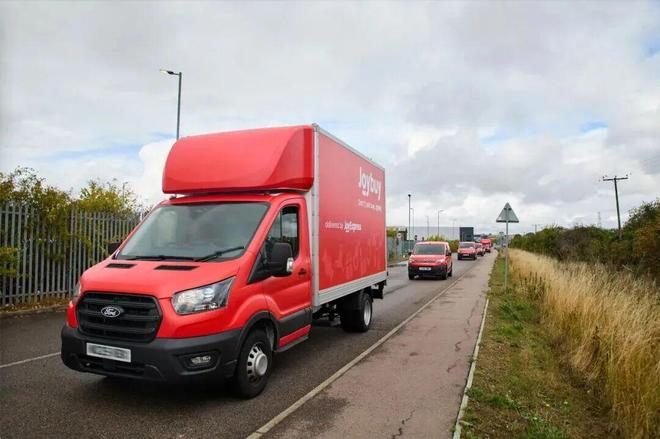
JD.com cũng ra mắt thương hiệu chuyển phát nhanh của riêng mình tại châu ÂuJoyExpress, đội xe giao hàng cũng là tự có, từ đó đạt được toàn bộ chuỗi từ kho, vận chuyển, giao hàng đều do mình vận hành, mình kiểm soát.
Dựa vào hệ thống này,Joybuy triển khai dịch vụ giao hàng "211" tại hơn 30 thành phố trọng điểm ở châu Âu — đặt hàng trước 11 giờ sáng sẽ giao trong ngày, đặt hàng trước 11 giờ tối sẽ giao trước 3 giờ chiều hôm sau, phục vụ hơn 40 triệu người tiêu dùng.
Vào tháng 4, một người Hoa ở Đức khi được phỏng vấn đã đề cập rằng bản thân đặt hàng trên Joybuy lúc hơn 9 giờ tối Chủ nhật, sáng thứ Hai hơn 9 giờ đã nhận được hàng, "nhân viên chuyển phát còn gọi điện trước để xác nhận có ở nhà không, điều này ở các công ty chuyển phát châu Âu thực sự rất hiếm".
Ngoài ra, JD.com năm ngoái còn với2,2 tỷ euro mua lại khoảng 85% cổ phần của gã khổng lồ bán lẻ Đức CECONOMY, giành được hơn 1000 cửa hàng thực tế mà họ vận hành tại 12 quốc gia châu Âu, hiện thực hóa hệ sinh thái khép kín trực tuyến và ngoại tuyến "đặt hàng trực tuyến, nhận tại cửa hàng, kho trước gần đó giao hàng cực nhanh".
Nguồn ảnh: Internet
Cuộc chiến này mới chỉ bắt đầu
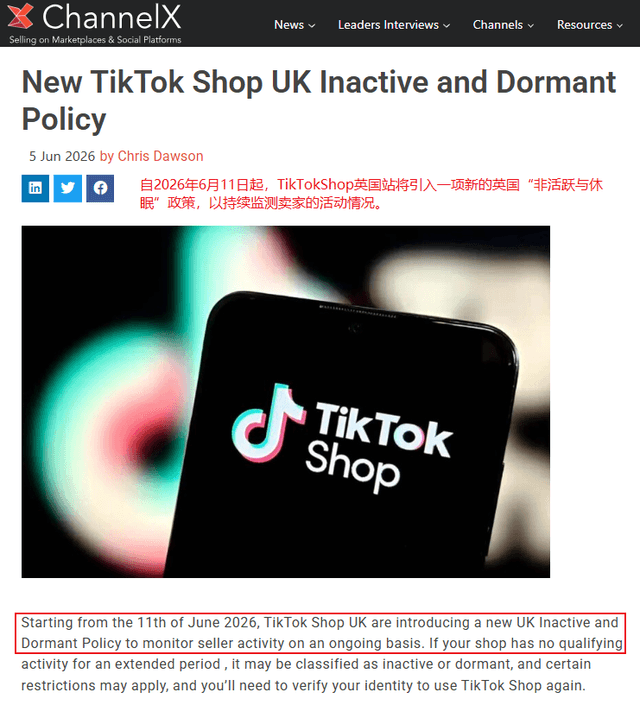
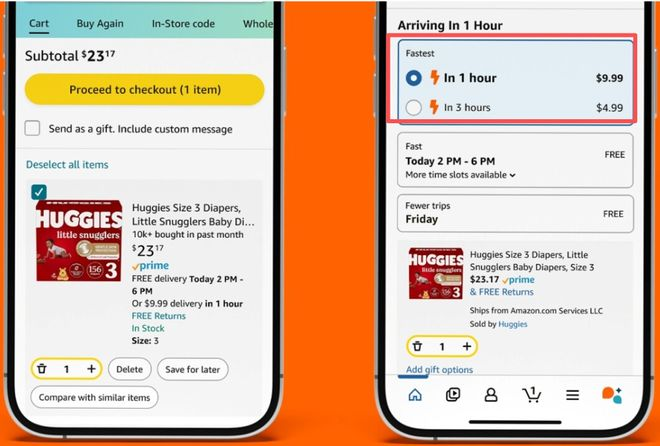
Tất nhiên, cục diện cạnh tranh của thị trường thương mại điện tử châu Âu đã rõ ràng. TheoStatista dự đoán, doanh thu thị trường thương mại điện tử châu Âu năm 2026 sẽ gần 700 tỷ USD, nhưng Amazon đã thâm canh nhiều năm tại thị trường này, được cho là đã triển khai dịch vụ giao hàng "1 giờ" và "3 giờ" tại nhiều thành phố châu Âu. AliExpress, TikTok Shop cũng đang liên tục tăng cường đầu tư vào thị trường châu Âu.
Từlần đầu tham gia năm 2015 đến lần khởi hành lại hiện tại, JD.com đã dành mười năm để mò mẫm, thử sai, tích lũy. Lưu Cường Đông từng nói, "Mô hình kinh doanh của JD rất chậm, rất khổ, rất mệt". Nhưng hệ thống từ chiêu mộ thương hiệu đến hạ tầng logistics rồi cửa hàng thực tế quả thực đã được dựng lên. Tiếp theo hãy xem người tiêu dùng châu Âu có mua hàng hay không, và liệu cuộc đầu tư nặng ký này cuối cùng có thể đi ra một con đường bền vững hay không.