 31
31'Sell pet products overseas'—five years ago, this phrase might have been roughly equivalent to 'I’ll go source goods in Yiwu and list them on Amazon.'
But looking again today, the whole script has changed. The global pet products market is undergoing a profound upgrade. According to research, in 2025, the global pet care market size reached $273.42 billion. It is expected to grow from $289.17 billion in 2026 to $499.06 billion in 2034. At the same time, China’s pet products export value in 2025 increased by more than 30% year over year, with categories such as smart feeders, cat litter, and pet apparel continuing to sell well.
But a big market does not mean you can sell well. Chinese factories mostly used to do ODM/OEM contract manufacturing, earning hard-earned money. Under today’s competitive landscape, 'contract manufacturing and white-labeling' is being rapidly phased out, and the real growth is hidden in DTC brands. So here’s the question: How do you do it? Where do you start?
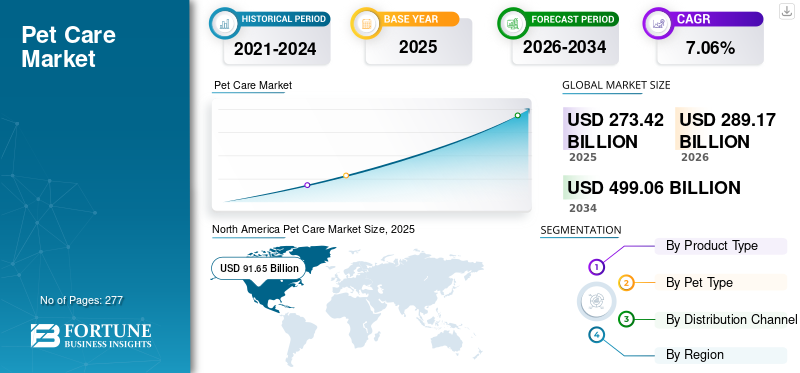
Image source: fortune business insights
I. From product to hit: The first step in getting started is finding real user pain points
Many sellers’ first move after launching is to list a wide range of products, thinking, 'My product is packed with features and cheap enough—it’s bound to go viral.' But reality often hits like a club, because you’re selling what you think users need, not what users truly want.
For example, Tianyuan Pet, a long-established Chinese contract manufacturer, has a sub-brand called Made4Pets.
This company did foreign trade contract manufacturing for 20 years. After creating its brand in 2022, it entered Amazon, but it remained lukewarm. It was not until it entered TikTok Shop in 2024 that a 15-second short video completely changed the situation—in the video, a fat cat weighing nearly 20 jin (about 10 kg) pounced onto a giant cat scratching post, and the post did not move at all; the comments section instantly exploded.
After this video went live, it sold nearly 700 orders in a day, directly clearing out the inventory of this product that could not sell in offline Walmart.
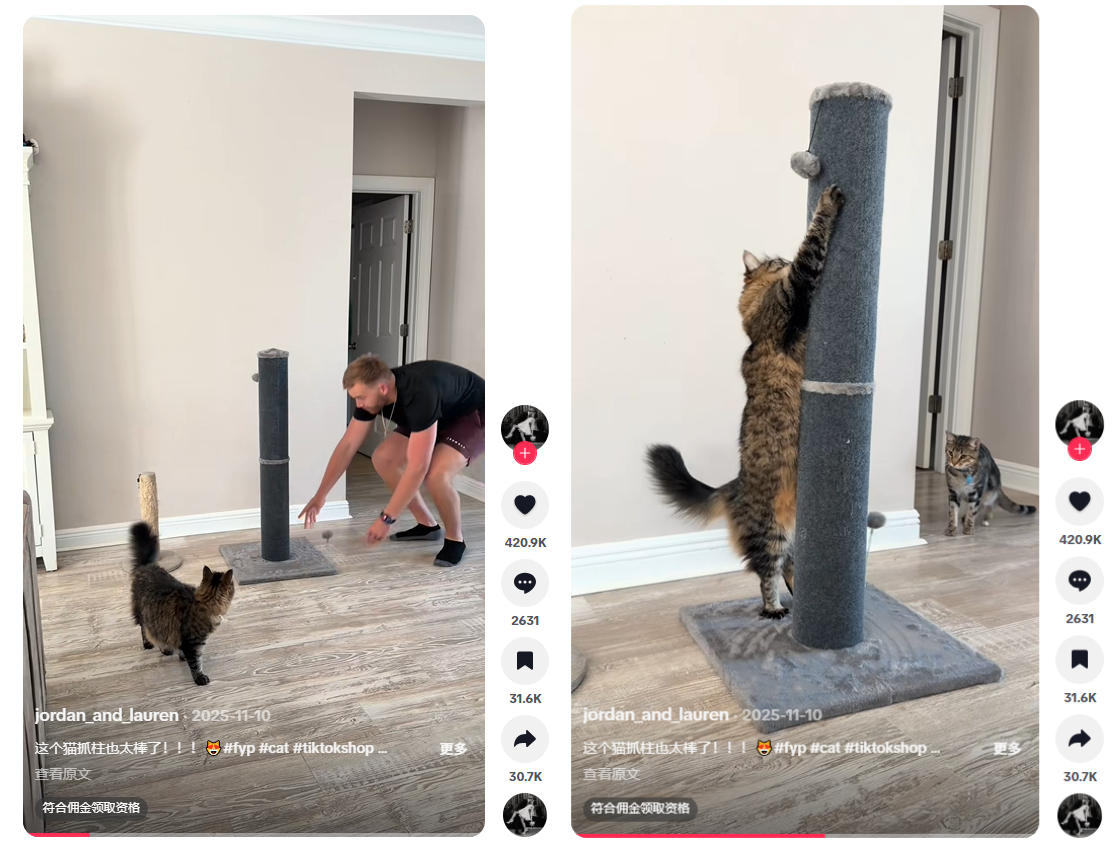
Image source: TikTok
Why can a product that cannot sell offline sell explosively on TikTok?
The reason is simple: offline shelves rely on being understandable at a glance, but the core selling point of this cat scratching post is that it is 'huge'—something that cannot be visually demonstrated offline.
Short videos, however, package the real living room scene, the dynamic footage of the cat pouncing on it, and the product’s stability and durability into just over ten seconds. Consumers do not need to read a manual; one look and they understand.
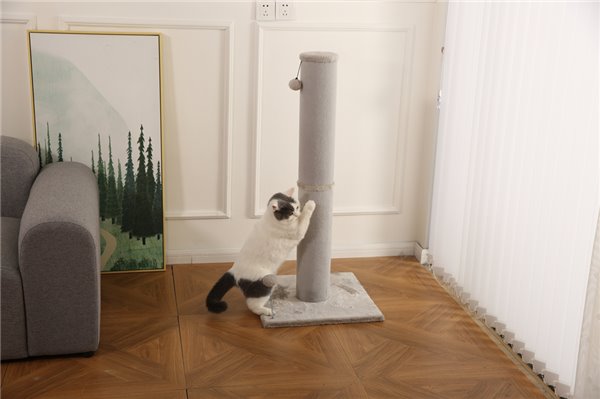
Image source: internet
II. From hit product to brand: Just selling goods won’t take you far; brand power is the moat
TikTok gives you the ability to create hit products, but to go further, you must switch from a 'selling goods logic' to a 'brand logic.' This brings us to our second case, the American local DTC pet brand Wild One.
This high-end pet brand, founded in 2018, prices its products far above conventional products on the market. Its star product, a walking kit containing a leash, collar, and poop bag holder, is priced at only $98, while similar products on Amazon sell for only $20–30.
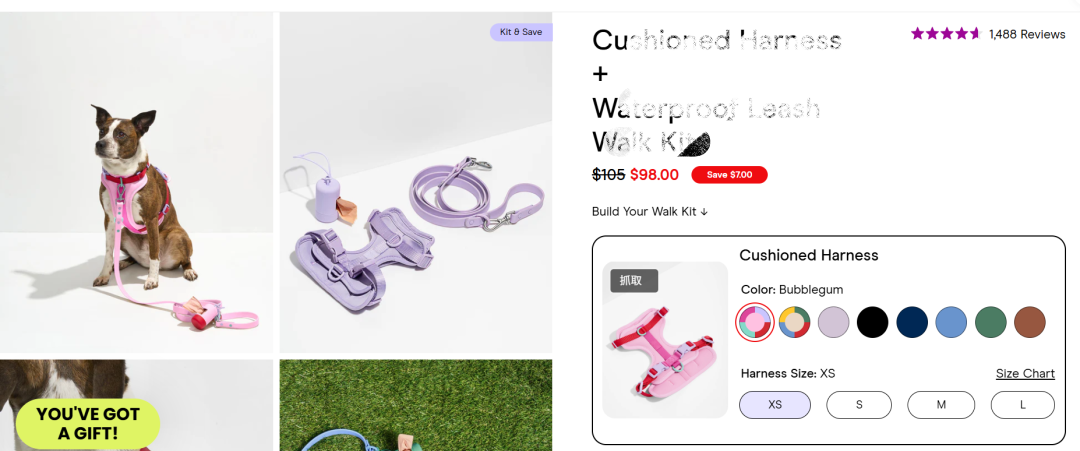
Image source: internet
Even though its prices are several times higher, Wild One still achieved $30 million in annual sales in 2023. How did it do it?
-Create a premium feel, not just a higher price
Wild One’s success is not simply 'selling products at a higher price,' but finding a precise market need. Pet products on the market are either highly functional but crudely designed mass-market goods, or expensive but flashily designed luxury items. There is a blank space for truly 'mid-to-high-end products' that combine aesthetics and practicality.
- Turn products into social currency
The smartest thing about Wild One is that it turned products from a 'tool for pets' into a 'lifestyle item that expresses the pet owner’s aesthetic taste.'
In the eyes of Gen Z, walking a dog with a highly designed leash and wearing a pair of limited-edition sneakers out are essentially the same logic—expressing oneself. The brand built a 170,000-follower matrix on Instagram, using KOL seeding and UGC content to generate organic spread. Users share photos and videos of life with their pets with the #Wild One hashtag, forming a continuously self-reinforcing social sharing loop.
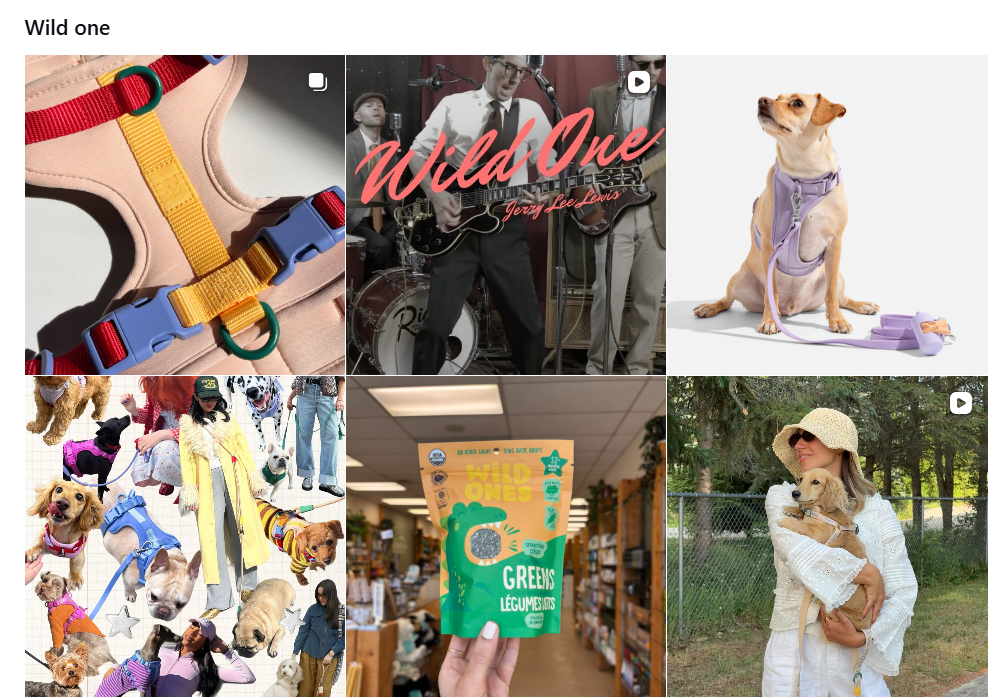
Image source: Instagram
III. From First Order to Repeat Purchase: Private Domain Operations for Your Independent Site Are the Foundation of a Long-Term Business
After the first two steps, you already have a hit product and a brand tone, but you still need your own territory—an independent site.
The core value of an independent site lies in three points: building brand trust, accumulating user data, and cultivating lifetime repeat purchases.
Those brands that have gone far in the DTC field have without exception made their independent sites the core of growth. BarkBox is a highly representative case. This pet DTC brand, founded in 2012, successfully broke through with a “pet mystery box subscription model” and is valued at over $1 billion. Its subscription service logic is worth learning: users first fill out a detailed questionnaire about their pet (age, size, chewing style, treat preferences), and then each month receive a themed mystery box personalized and customized based on this information, containing toys, treats, and health supplements.
The essence of this model is turning a one-time transaction into a long-term service relationship: subscription revenue is stable and predictable, user retention is high, and the pet data accumulated by the brand in turn guides product development, forming a positive cycle.
BarkBox’s revenue in fiscal year 2024 was close to $490 million, the vast majority of which came from subscription services.
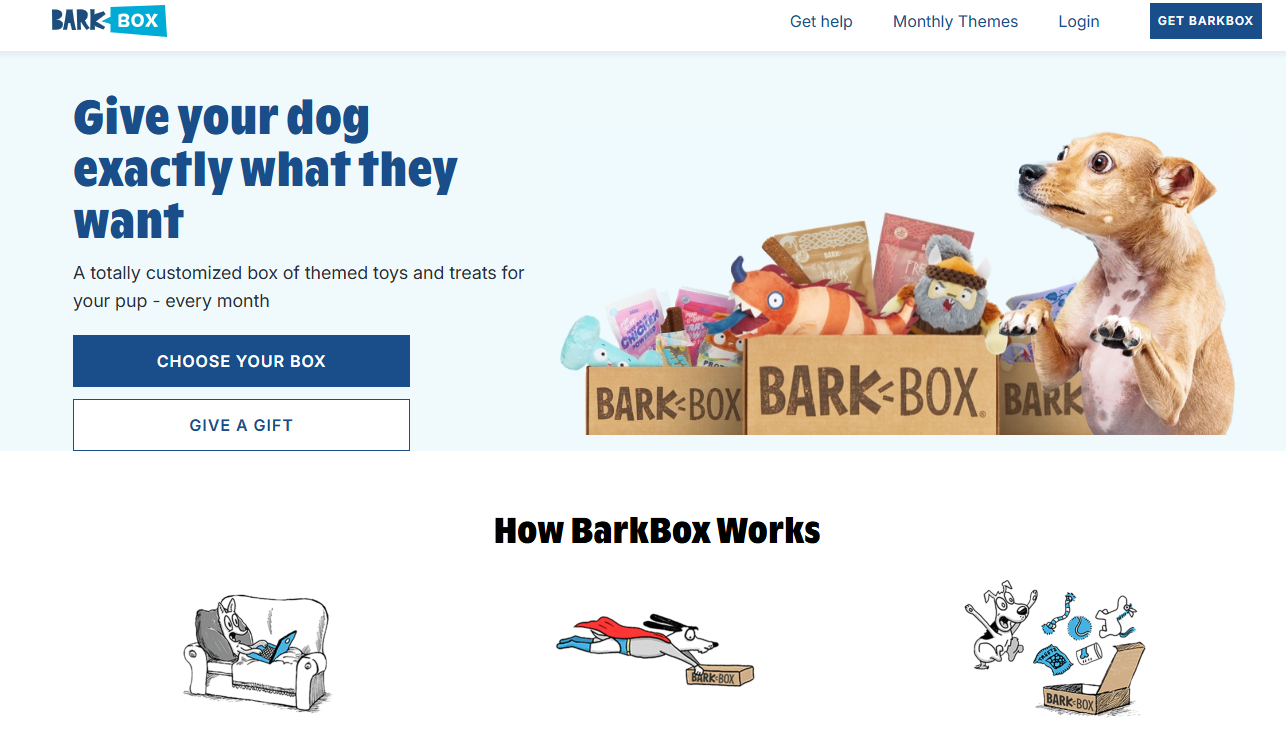
Image source: Instagram
For most pet supplies sellers, the most pragmatic path at present is the Tianyuan Pet-style playbook: the trinity of “independent site + Amazon + TikTok.”
Amazon and TikTok Shop solve the problem of “selling goods,” while the independent site solves the problem of “retaining customers.” Where does traffic for the independent site come from? You can guide users who have completed purchases on TikTok and Amazon to the independent site to make repeat purchases, and use email marketing and new product notifications to maintain contact.
Specific operational strategies can refer to: for users who have browsed but not placed an order, send a limited-time discount code within 24 hours (cases show that the recovery rate can increase by 35%); for users who have completed a purchase, guide social referrals through a referral card inside the package. These details often determine whether your DTC business is a one-off deal or a lifelong business.