 47
47Pre-order feature goes live: Who is eligible and how to use it
TikTok Shop by Tokopedia recently issued an announcement to sellers, explicitly stating that starting in November 2026, the pre-order feature will be fully opened to seller groups that meet the eligibility requirements.
Image source: Google
This means that starting in November, eligible Indonesian sellers can mark their products as pre-order items and arrange fulfillment after customers place orders.
According to the official explanation, the pre-order option allows sellers to set a fulfillment period of 3 to 15 days after a customer places an order. This mechanism mainly targets three types of products: customized products, pre-launch products, and products that are about to be relisted.

Image source: seller-id.tokopedia
For buyers, once a product is marked as pre-order, they can see the estimated delivery time and place an order with clear expectations. If an order cannot be completed within the set period, the system will automatically cancel the order and refund the buyer, protecting consumer rights.
However, the pre-order feature is not available to all sellers. Sellers need to meet three conditions at the same time:
The store rating must be at least 3 points;
Within the past 30 days, the seller responsibility cancellation rate (SFCR) for pre-order orders must be 7% or lower;
The store has not participated in or been flagged for any risky behavior.
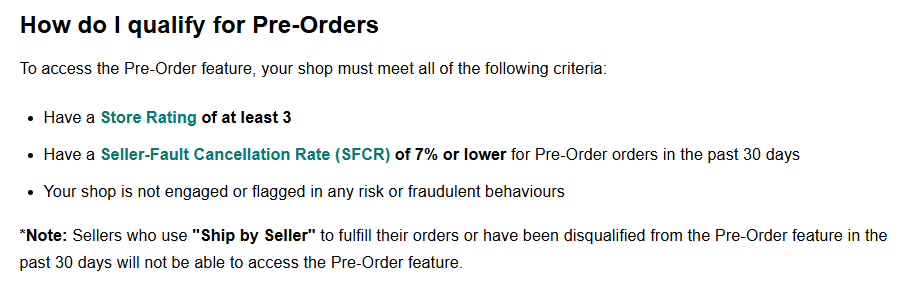
Image source: seller-id.tokopedia
These three thresholds are actually screening for sellers with stable operations and solid service quality, to prevent the pre-order feature from being abused.
3% service fee: How to calculate the cost
The most notable aspect of the pre-order feature is the fee. Pre-order products require an additional 3% pre-order service fee per item, and this fee includes tax. At the same time, the standard platform commission is still charged as usual.
In other words, if sellers use the pre-order feature, they need to bear an additional 3% cost on top of the original commission. This fee is calculated based on the product price after deducting seller discounts, meaning the larger the discount, the lower the absolute value of the actual service fee will be accordingly.

Image source: seller-id.tokopedia
Impact on sellers: Opportunities and pressure coexist
For sellers, the pre-order feature is a double-edged sword.
On the positive side, the pre-order feature opens a new sales window for sellers. In the past, customized products and pre-launch products were often difficult to sell smoothly on the platform because they could not be shipped immediately.
The pre-order feature gives these products a compliant sales path. Sellers can lock in orders in advance and then produce or stock according to demand, reducing inventory pressure.
But pressure also exists. The 3-to-15-day fulfillment period places higher demands on sellers' supply chain and logistics capabilities. Once an order cannot be completed within the set period, the system will automatically cancel and refund it, which not only affects revenue but may also lower the store ranking and erroneous cancellation rate.
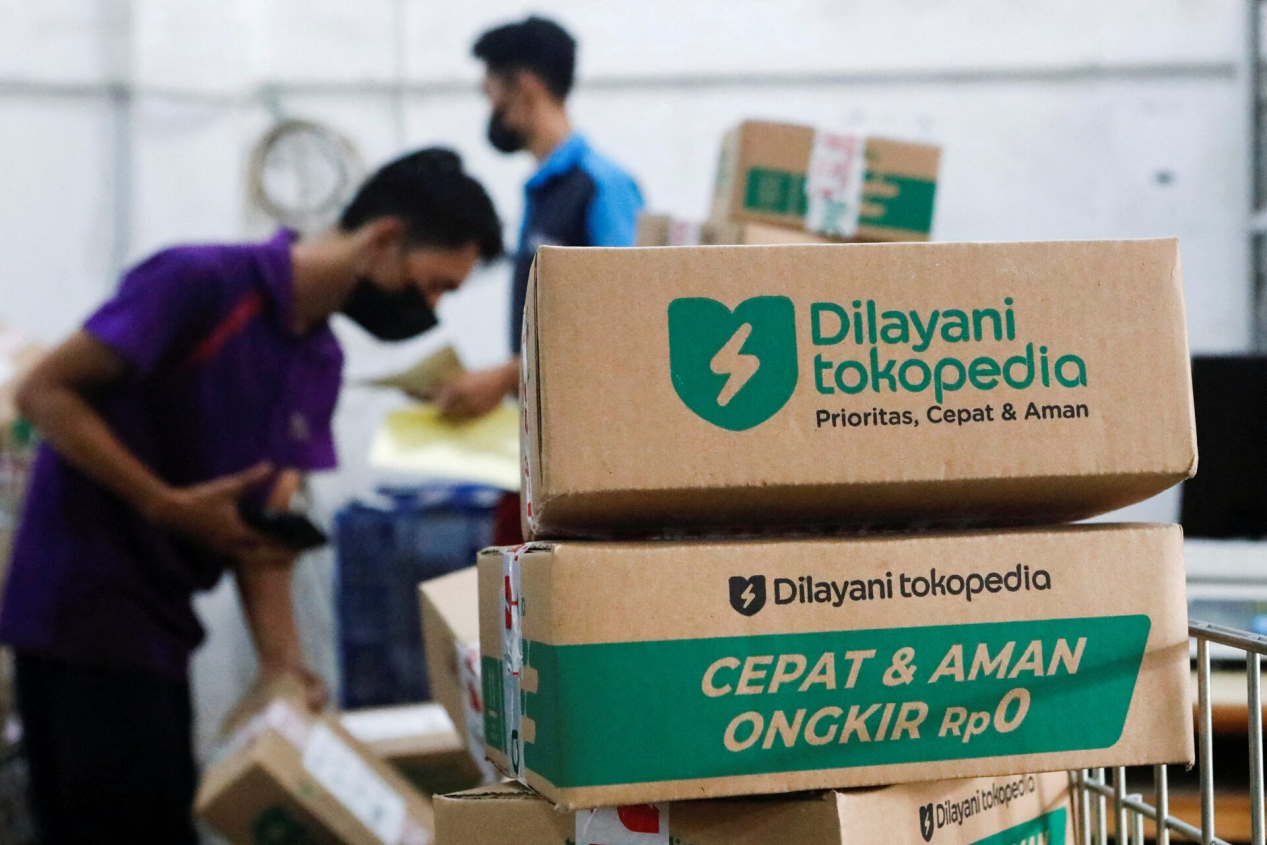
Image source: Google
Sellers' response strategies: From calculating the numbers to implementation
Facing the changes brought by the pre-order feature, sellers can take action in several areas.
First, reassess the product structure.
Not all products are suitable for pre-order. Customized products, pre-release products, and products about to be relisted are the main applicable scenarios for the pre-order feature. Sellers can review their product lines, screen out categories suitable for pre-order, and concentrate resources on operating these products well.
Second, optimize the fulfillment process.
The 3-to-15-day fulfillment period requires sellers to achieve efficient coordination in order processing, production and stocking, and logistics delivery. Sellers can consider cooperating with reliable logistics service providers or preparing raw materials in advance to shorten the production cycle. At the same time, establish an order tracking mechanism to ensure that every pre-order can be completed on time.
Third, adjust the pricing strategy.
The 3% service fee needs to be included in cost accounting. Sellers can absorb this fee by optimizing the supply chain, increasing the average order value, setting reasonable discount levels, and other methods.
Finally, pay attention to store health. Indicators such as store ranking, erroneous cancellation rate, and risk flags are directly related to pre-order eligibility. Sellers need to continuously monitor these data, handle abnormal orders in a timely manner, and avoid letting small issues cause major losses.
Image source: Google
Conclusion
The launch of TikTok Shop Indonesia's pre-order feature is an important exploration by the platform in e-commerce services. The 3% service fee, the 3-to-15-day fulfillment period, and the three qualification thresholds—behind these rules are the platform's screening of sellers' service capabilities and its protection of buyer experience.
In the future, as the pre-order feature is gradually implemented in the Indonesian market, the game between sellers and the platform will continue, and ultimately those who benefit will be sellers who can quickly adjust and operate steadily.