 36
36A hidden cost adjustment
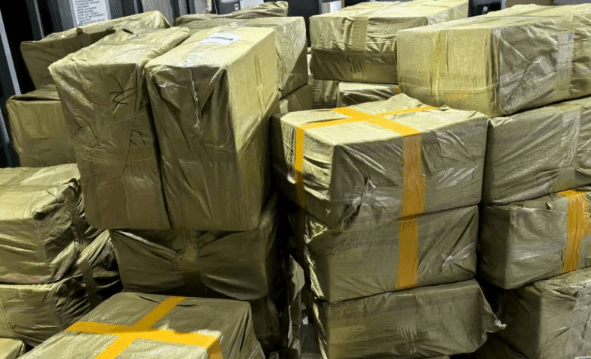
TikTok Shop Vietnam local site recently issued a notice: starting at midnight on October 12, 2026, for all new orders generated after that time, as long as the parcel weight exceeds 10 kg, the platform will charge an additional logistics operation fee.
In name, this fee is used for parcel handling, coordination, delivery, problem resolution, and basic transportation incentives; in reality, it is an additional cost aimed at heavy goods.
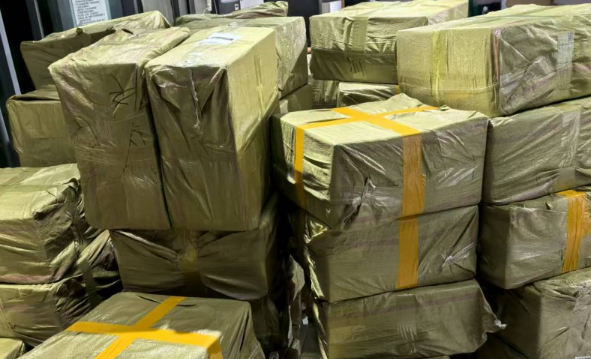
Image source: Google
It is worth noting that this fee is not shown to buyers. The amount buyers see at checkout will not change at all; the fee is fully borne by merchants. In other words, consumers will not perceive anything unusual, but sellers will have one more expense on their books.
The billing method is not complicated. This fee is calculated per item based on the parcel's billable weight. It starts at 3000 VND per item and gradually increases as weight rises, using tiered accumulation, with a maximum of no more than 65000 VND per item.
There are several details sellers need to pay special attention to:
First, the timing: orders placed before October 12 are not affected, even if shipping and settlement occur after the new rule takes effect;
Second, the return rule: if the parcel has already been shipped successfully and a return occurs afterward, this fee will not be refunded.
In addition, the actual fee is based on the weight measured by the logistics provider. If sellers fill in packaging dimensions accurately when listing products, they can effectively reduce billing discrepancies.
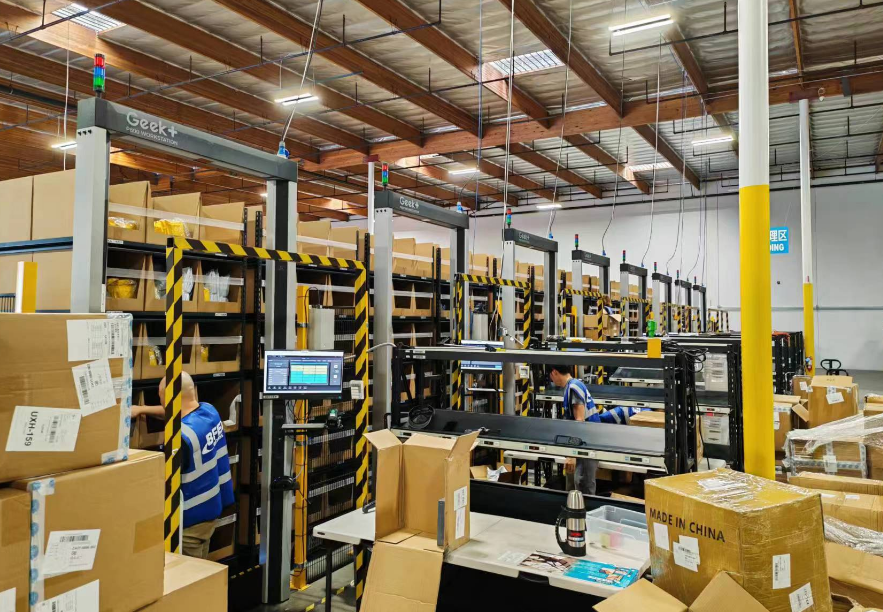
Image source: Google
What it means for sellers
For sellers operating large-item and heavy-goods categories, this adjustment directly hits the profit structure.
Parcels over 10 kg are not uncommon in Vietnam's local e-commerce. Categories such as home goods, small appliances, bulk daily necessities, and pet supplies easily reach this threshold. The minimum 3000 VND per item may not seem like much, but for bulk orders, multi-item shipments, or when a single item's weight is close to the upper tier limit, the accumulated cost can be quite significant.
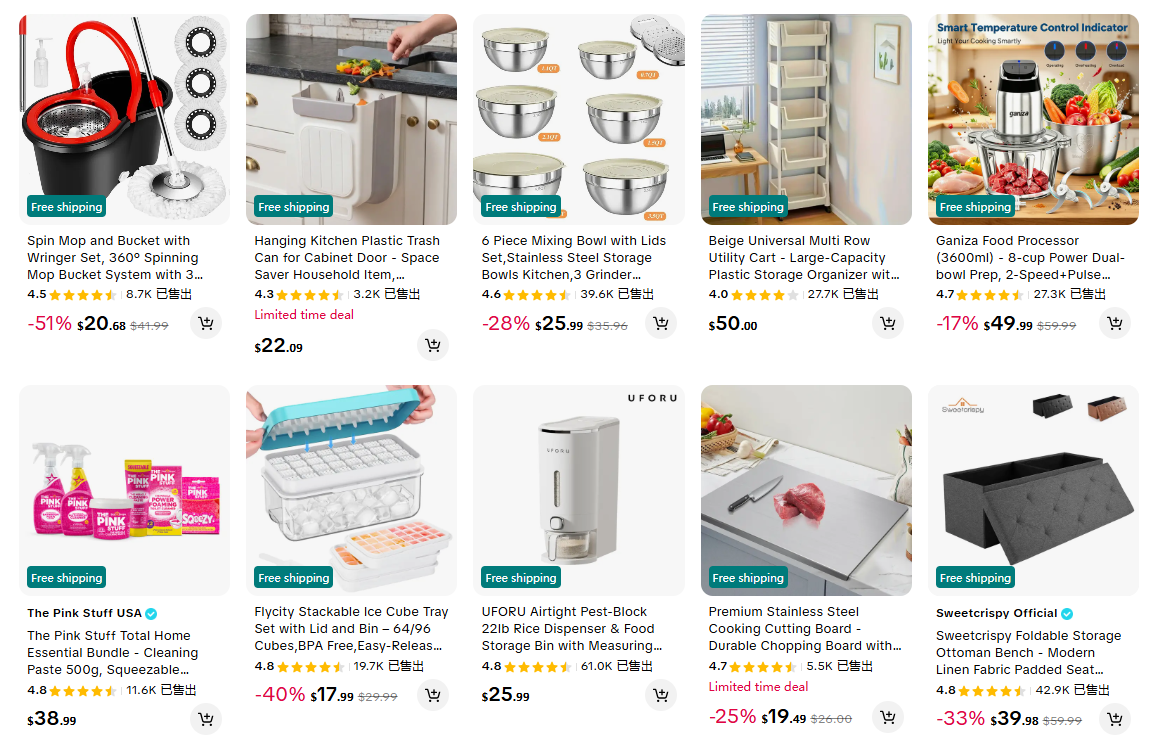
Image source: TikTok Shop
More critically, this fee is borne by merchants, and returns do not refund it. This means if sellers encounter buyer refusal or returns after shipment, they not only have to bear the original reverse logistics cost, but this heavy-parcel operation fee is also wasted. For categories with high return rates, profit margins will be further squeezed.
Another easily overlooked point is the determination of billable weight. There may be discrepancies between the packaging dimensions and weight filled in by sellers themselves and the results actually measured by the logistics provider.
If listing information is filled in carelessly, the actual measured weight crosses the 10 kg threshold, or enters a higher tier bracket, the bill will exceed expectations. Over long-term operations, this invisible discrepancy can become a not-insignificant additional expense.
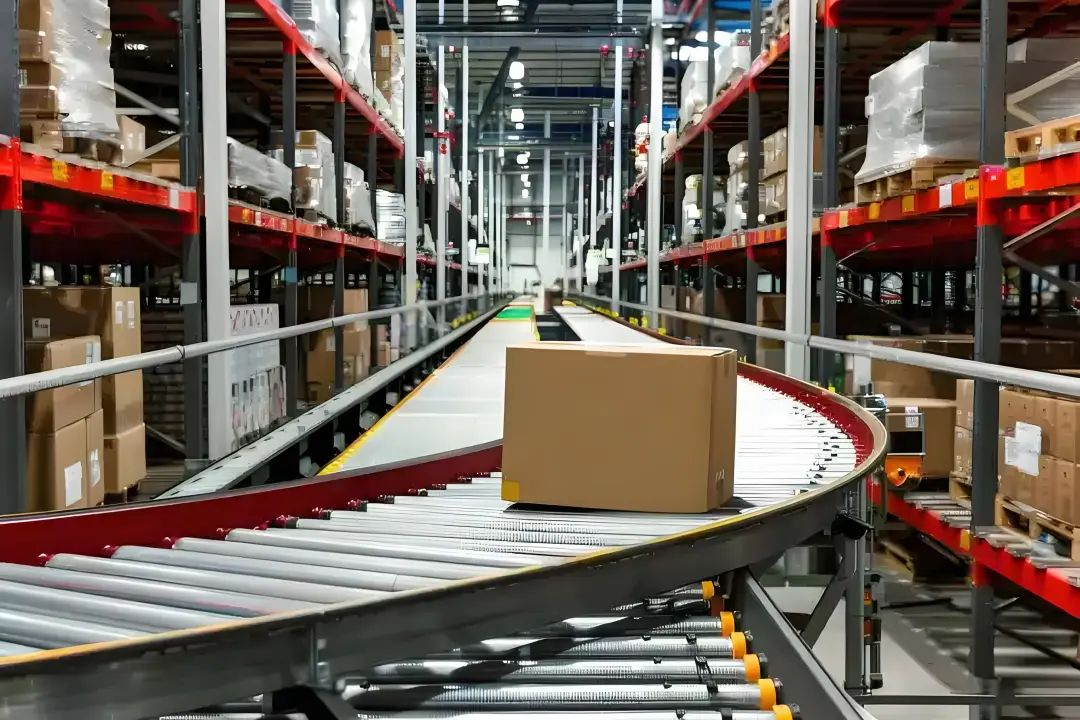
Image source: Google
How sellers should respond
Facing this new rule, sellers do not have to passively accept it. The most direct action is to optimize packaging. Without affecting product safety, re-examine the packaging plan to see whether lighter materials or a more compact structure can keep billable weight under 10 kg. Even just reducing from 10.5 kg to 9.8 kg can completely avoid this fee.
Second, for categories that truly cannot reduce weight, sellers need to recalculate their pricing model. Incorporate the heavy-parcel operation fee into per-item cost and assess whether prices need slight adjustment or promotional strategies need changing. Especially for volume-driven products with already thin profits, this added cost may change the entire product's break-even point.
Furthermore, shipping strategies are worth replanning. For example, whether splitting multiple heavy-goods orders into several light parcels is more cost-effective, or conversely, whether merging multiple light parcels into one heavy parcel actually saves fees—these all need to be calculated based on the specific category and order structure.
At the same time, sellers should develop the habit of rechecking packaging information before shipping to ensure listing data matches the physical item, reducing bill fluctuations caused by measurement discrepancies.
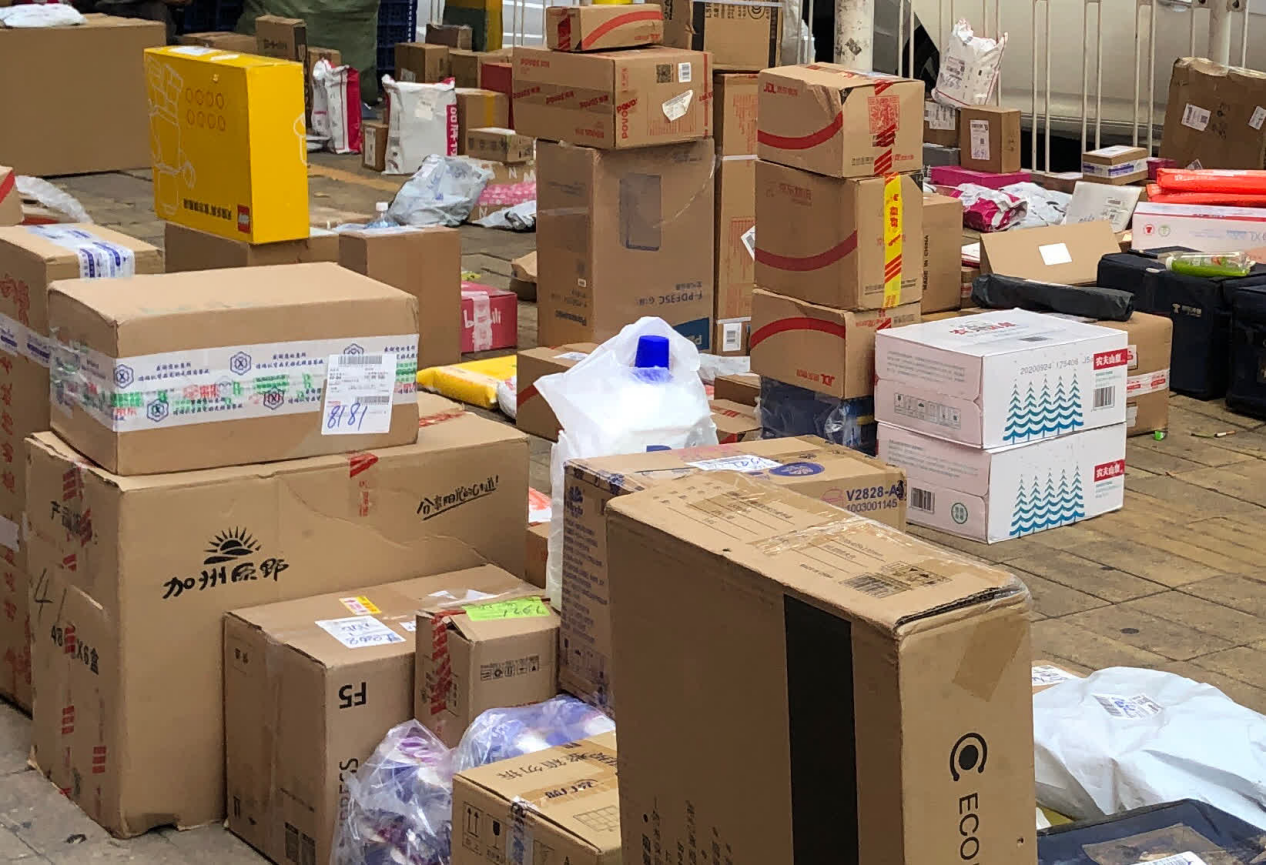
Image source: Google
Conclusion
TikTok Shop Vietnam site charges an additional operating fee for packages over 10 kg, which is essentially a fine-tuned adjustment of logistics costs.
Packaging slimming, pricing recalculation, and shipping strategy adjustments—doing these in advance can keep the impact within an acceptable range.
The competitiveness of cross-border e-commerce often lies in these seemingly minor cost variables.