 2743
2743
CCTV cette annéele Gala de la Fête du Printempssurtechnologiqueproduits du Nouvel An, a réussi à faireimpression 3Dmachinea gagné en popularitédéjàcercle !
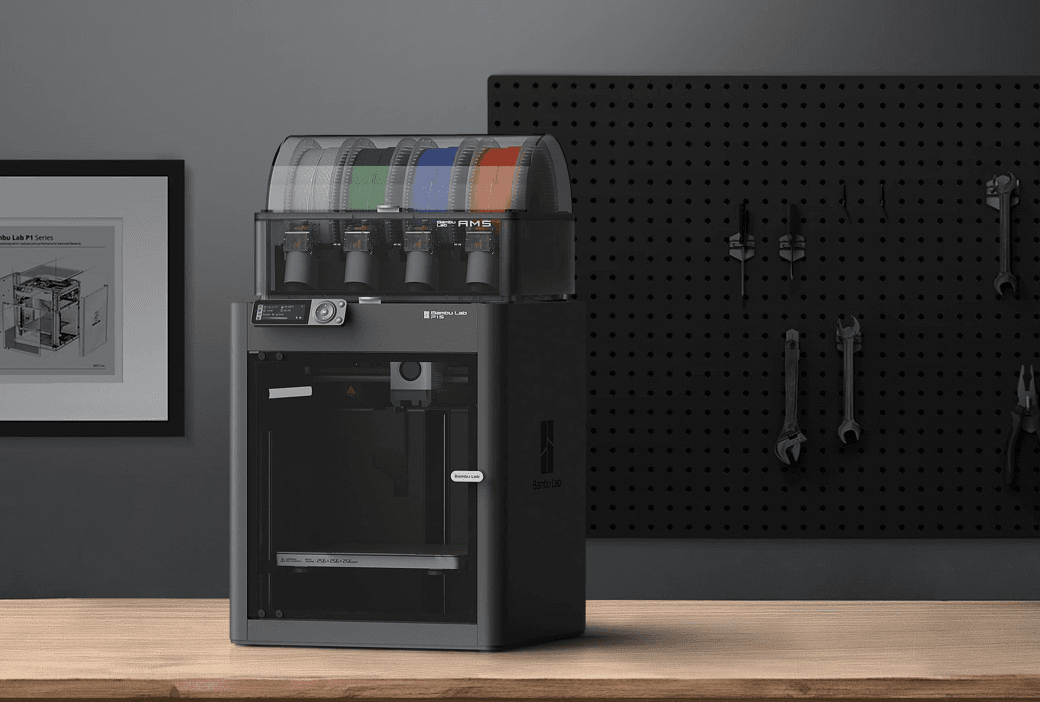
dansdans le segment interactif,Doubao a distribué à tous les téléspectateurs du pays6666 unitésde la marque Bambu Labimprimante 3D。
ce produitcommede la cagnotteavantage massif hardcore, directementa fait le buzz sur tout le web, et a égalementBambu Lab, cette entreprise discrète de Shenzhen,entrédéjàla vue du public.
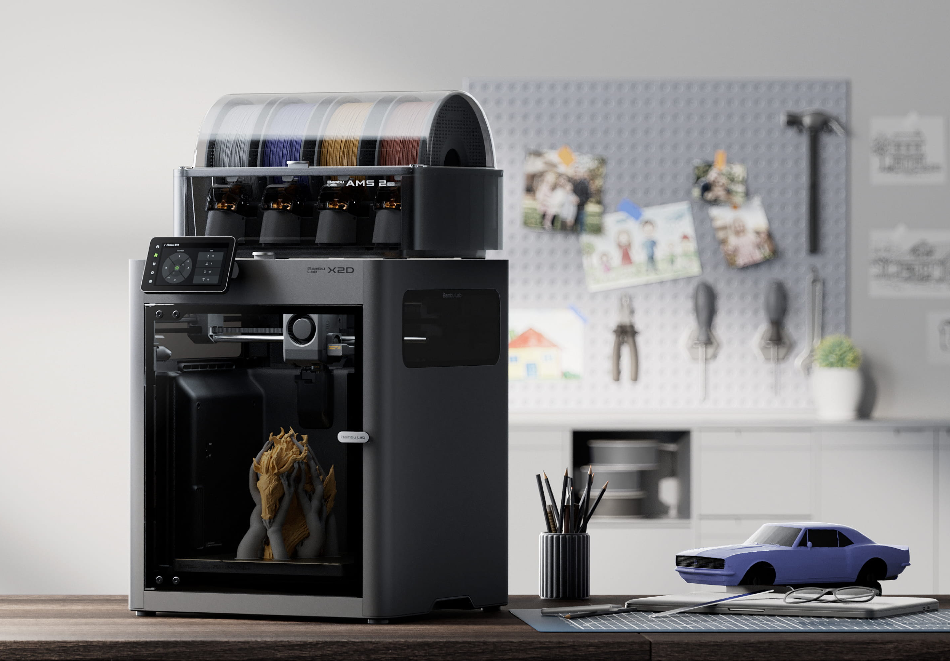
Source de l'image :Bambu Lab
Peut-être que beaucoup ne savent pas,Cette entreprise seulementfondéedéjà5 ans, mais l'élan de développement est très rapide.
son2025total dechiffre d'affairesdéjàfranchi le cap des 10 milliards, dans le grand publicse démarquer fortement dans le domaine de l'impression 3D,remporterdéjàmondiale29 % de part de marché.
Un groupe del'équipe composée d'anciens membres clés de DJI, transformant ce qui était initialement de nichele marché de l'impression 3D, en a fait une industrie de 10 milliardsGrandAffaires.
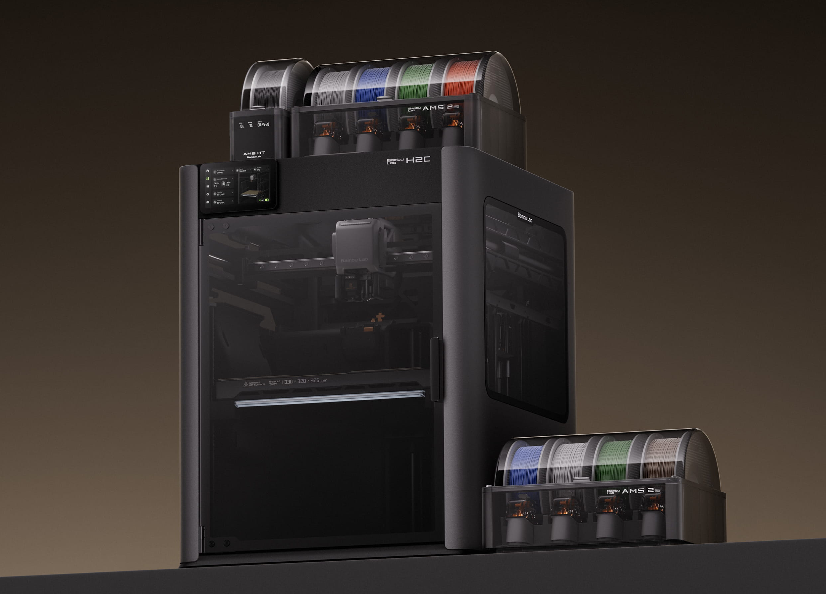
Source de l'image :Bambu Lab
Une équipe de cinq personnes parties de DJI a misé sur un créneau de niche.
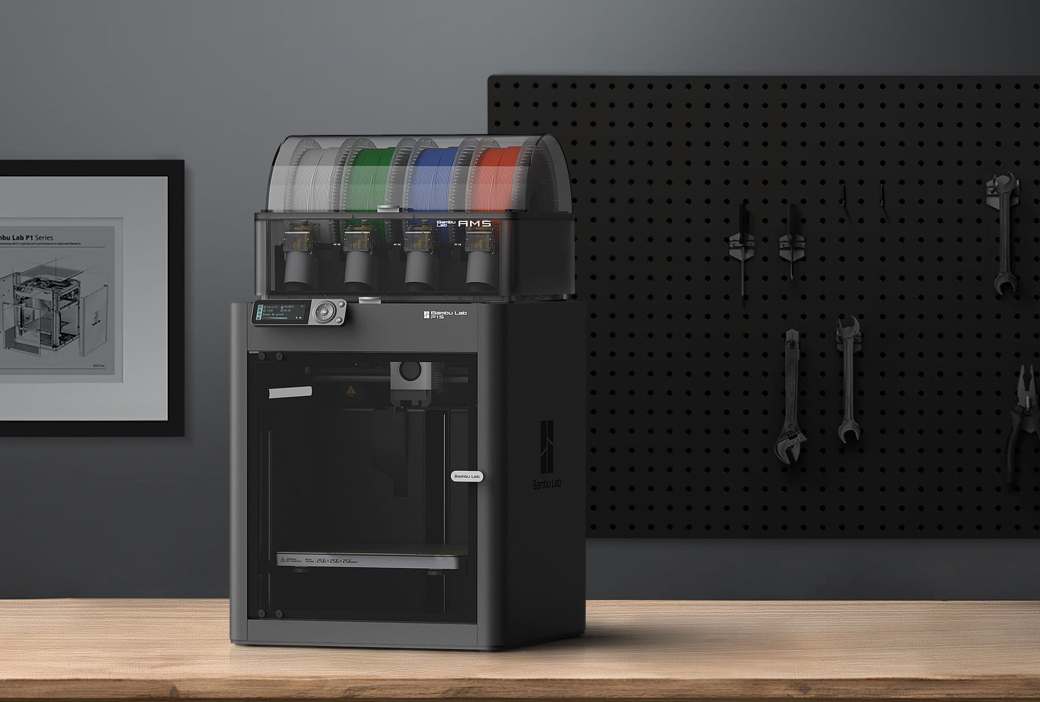
Selon des informations publiques, le niveau grand publicLa marque d'impression 3D Bambu Lab a été officiellement fondée à Shenzhen en 2020, et les cinq co-fondateurs clés proviennent tous de la direction centrale de DJI.
Parmi eux, le co-fondateur clé M. Tao est un cadre vétéran de DJI, ayant gravi les échelons d'ingénieur de base à responsable de la division drones. Le secteur d'activité qu'il dirigeait contribuait à 60 % des revenus de DJI.
En 2020, M. Tao a fermement choisi de quitter son poste pour créer une entreprise, emmenant cette équipe expérimentée, et visantle niveau grand publicle secteur de l'impression 3D。
Source de l'image :Bambu Lab
À l'époque,l'industrie de l'impression 3Détait encore relativement de niche, la demande du marché se concentrant principalement dans le domaine industriel et commercial, et les produits grand public destinés aux utilisateurs ordinaires étaient quasiment inexistants.
Beaucoup de gens se demandent pourquoi l'équipe a insisté pour s'engager dans ce créneau de niche.
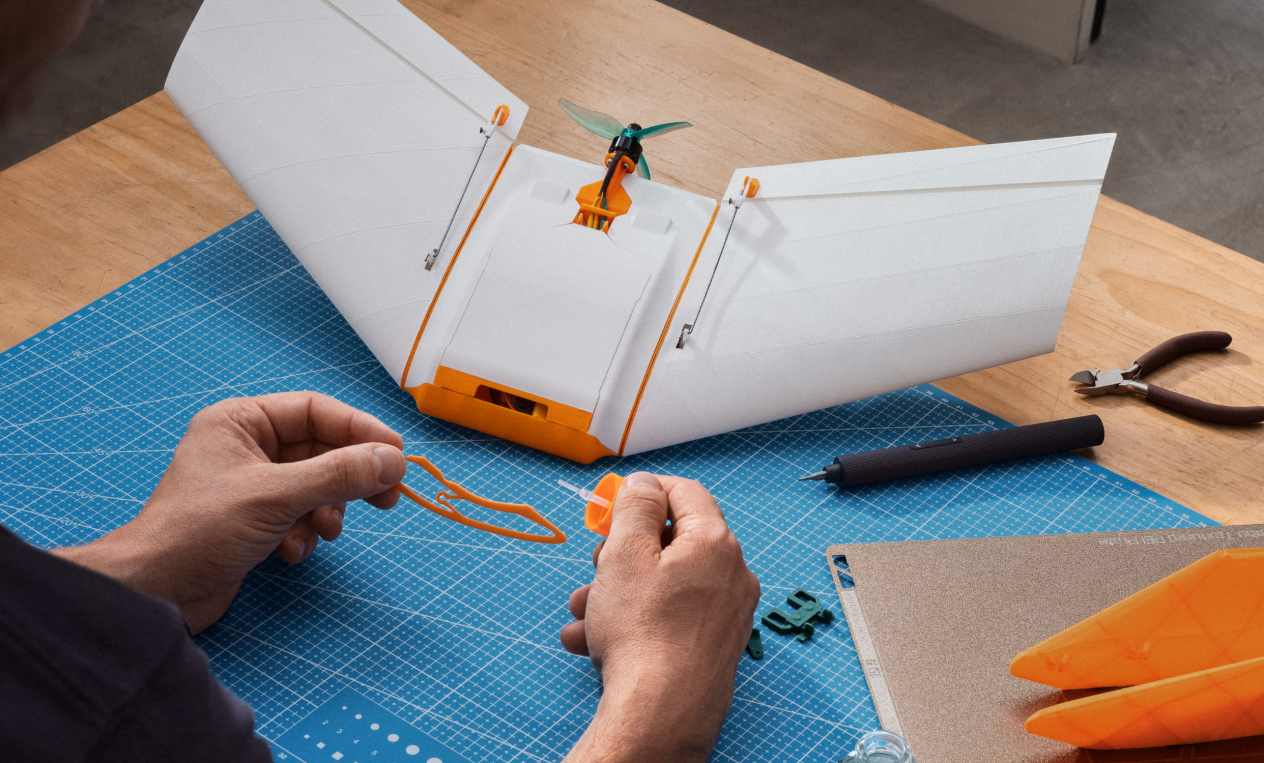
La raison principale est que l'équipe fondatrice a identifié un problème du marché : avec l'essor duDIY, de la culture de création artisanale, un nombre croissant de consommateurs ordinaires, d'amateurs d'artisanat et de joueurs de figurines de mode souhaitent fabriquer eux-mêmes des figurines de collection, des objets culturels et créatifs, de petits objets ménagers. La demande du grand public pour des appareils d'impression 3D légers et faciles à utiliser destinés au grand public domestique ne cesse de croître.
Celui qui parviendra le premier à lancer des produits grand public à bon rapport qualité-prix pourra profiter des avantages du créneau.
Source de l'image :Bambu Lab
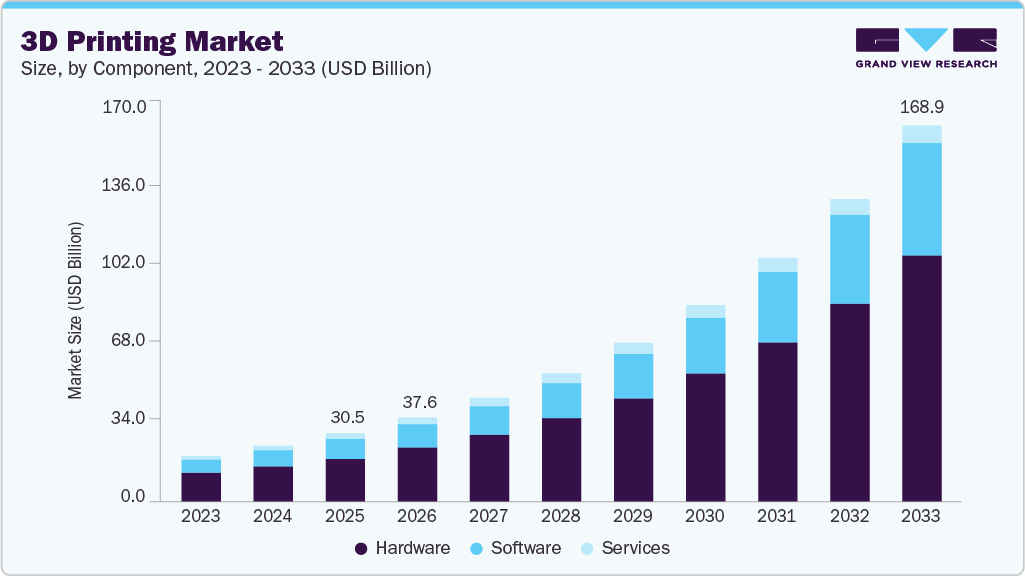
Et les données mondiales de l'industrie confirment également ce jugement, selonune étude de Grand View Research montre que la taille du marché mondial de l'impression 3D continue de croître régulièrement, et il est prévu que la taille du marché atteigne 168,9 milliards de dollars d'ici 2034, au cours des dix années précédentes, letaux de croissance annuel composéatteignant23.9%, un potentiel de développement considérable.
Fort d'un large potentiel sectoriel, l'équipe fondatrice a également fixé une direction claire : transférer les technologies de précision industrielle vers le marché civil, pour créer des produits grand public abordables, faciles à prendre en main,imprimantes 3D.
Source de l'image :Grand View Research
En approfondissant le segment grand public, devenir progressivement un leader d'une valeur de plusieurs dizaines de milliards
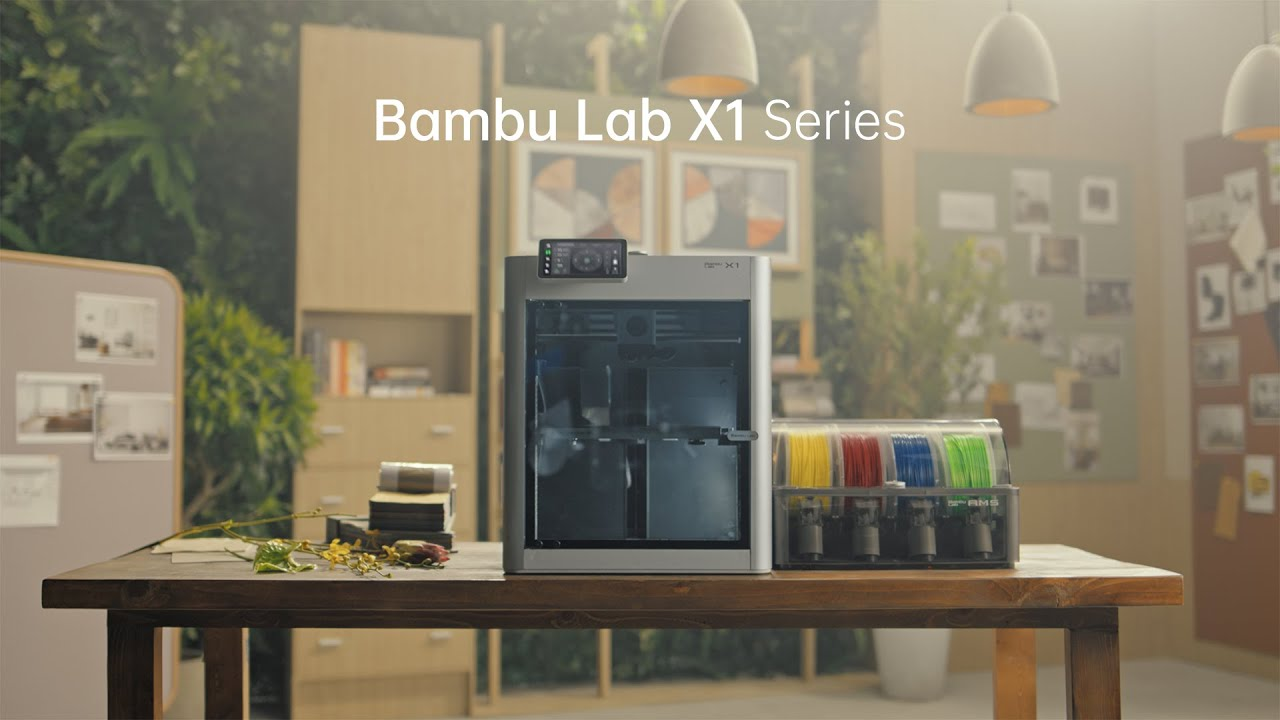
Année 2022,La marque Bambu Laba officiellementlancéson premier produitla série X1,qui intègre des technologies auparavant réservées aux équipements industriels, comme le LiDAR,et le calibrage automatique par IA, désormais disponibles sur les modèles domestiques, permettant non seulement une impression simultanée en 16 couleurs, mais aussi une vitesse d'impression 5 fois plus rapide que la moyenne du secteur.
EnKickstarterpeu après le lancementen un mois, a déjà recueilli le soutien de plus de 5 000 utilisateurs, le montant de la collecte a dépassé 7 millions de dollars US, établissant un record de crowdfunding pour une startup matérielle, et a ainsi marqué avec succès le début de son développement à l'étranger.
Source de l'image :Bambu Lab
À partir de 2023,Bambu Labla marque a entamé sa voie d'expansion mondiale.
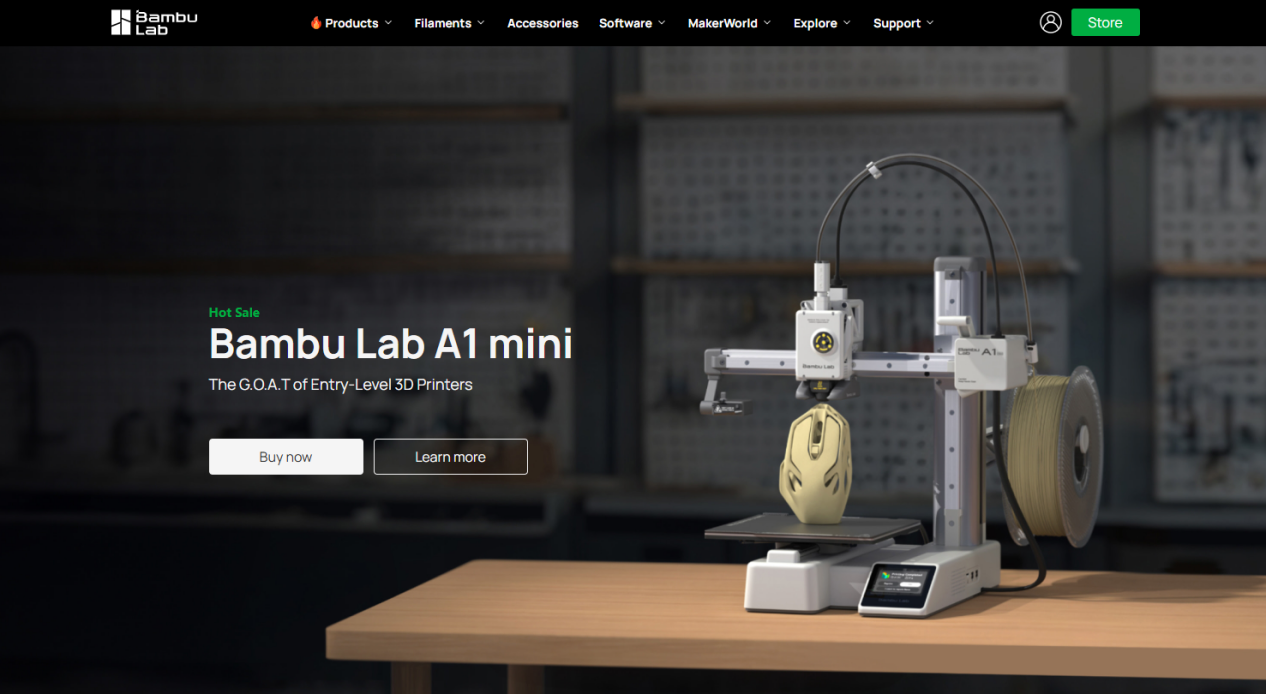
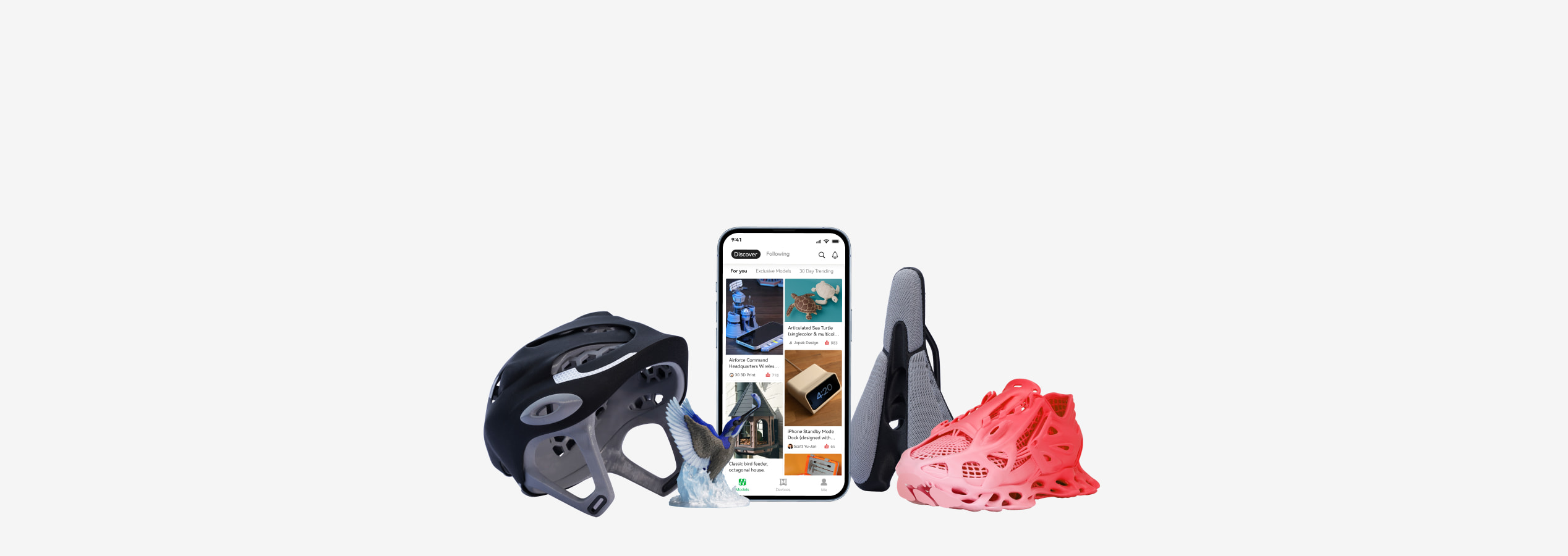
Au niveau des produits, elle a mis en place une matrice de prix complète, couvrant précisément les besoins de différents segments. Tarification :La série A1, à moins de 500 dollars, cible les usages domestiques débutants et l'éducation des enfants, en approfondissant le marché grand public ; les modèles milieu et haut de gamme comme P1S/P2S, H2D/H2S se concentrent quant à eux sur les créateurs professionnels et les passionnés expérimentés, répondant aux besoins des utilisateurs avancés.
Sur le plan des canaux,la marqueaccorde une grande importance à la construction de sites indépendants, en priorisant ces sites comme le vecteur de vente principal, maîtrisant fermement la tarification de la marque, les données utilisateurs et le système de service après-vente, tout en évitant les commissions des plateformes, les restrictions réglementaires et la guerre des prix homogène.
Actuellement, le trafic mensuel du site indépendant de la marque se stabilise àEntre 7,5 et 9,6 millions, fermement en tête du trafic des sites indépendants mondiaux d'impression 3D.
Source de l'image :Bambu Lab
Selon des informations, en2024,Bambu Lable volume d'expédition annuel a déjà atteint1,2 million d'unités, avec un chiffre d'affaires annuel d'environ 5,5 à 6 milliards de yuans.
En 2025, le chiffre d'affaires annuel de la marque a franchi avec succès la barre des 10 milliards, et a été numéro un des ventes mondiales pendant 3 années consécutives, consolidant sa position de leader sur le marché mondial de l'impression 3D grand public.
Source de l'image :Bambu Lab
TikTok, marketing de contenu : transformer la « haute technologie » en scènes de la vie quotidienne
Dans le contexte actuel de concurrence acharnée sur les réseaux sociaux, il est difficile pour une marque de se démarquer rapidement en s'appuyant uniquement sur la force brute du produit.
Face à cela,La marque Bambu Lab accorde une importance particulière à la stratégie de trafic à l'étranger, en exploitant profondément l'élan de communication des plateformes sociales populaires comme TikTok, en utilisant des vidéos courtes créatives pour amplifier la notoriété de la marque, atteindre efficacement le public cible et élargir continuellement la couverture du marché mondial.
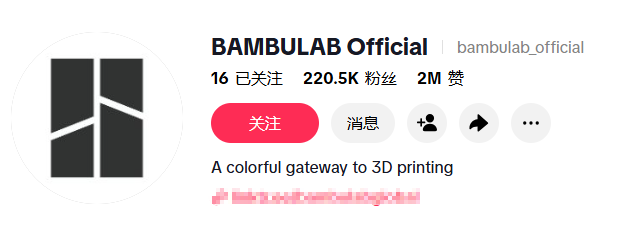
SurSur TikTok, le compte officiel de la marque Bambu Lab @bambulab_official a accumulé 220 200 fans et plus de 2 millions de likes.
Source de l'image :TikTok
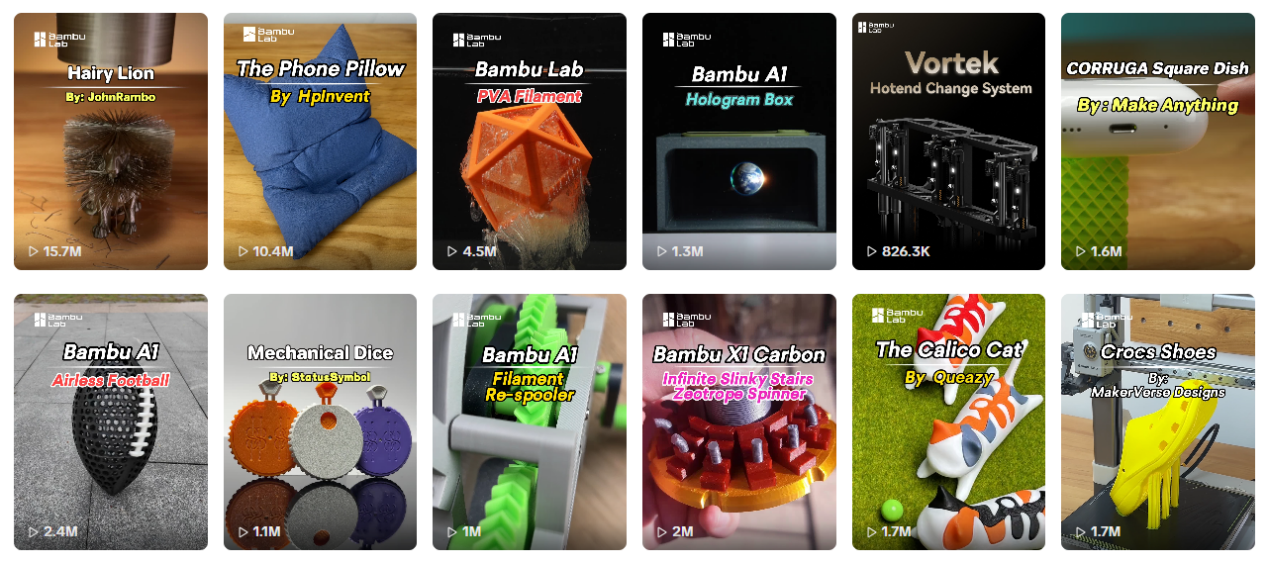
Le contenu du compte met l'accent sur des scènes de la vie quotidienne, en se concentrant surles créations pratiques d'imprimantes 3D, comme la fabrication d'objets quotidiens tels que supports de téléphone, décorations de bureau, jouets pour enfants, montrant directement l'intérêt et l'aspect pratique de l'impression 3D intégrée dans la vie quotidienne.
Jusqu'à présent, le nombre de vidéos ayant atteint des millions de vues est deplus de 30, et 2 autres ont dépassé les 10 millions de vues.
Source de l'image :TikTok
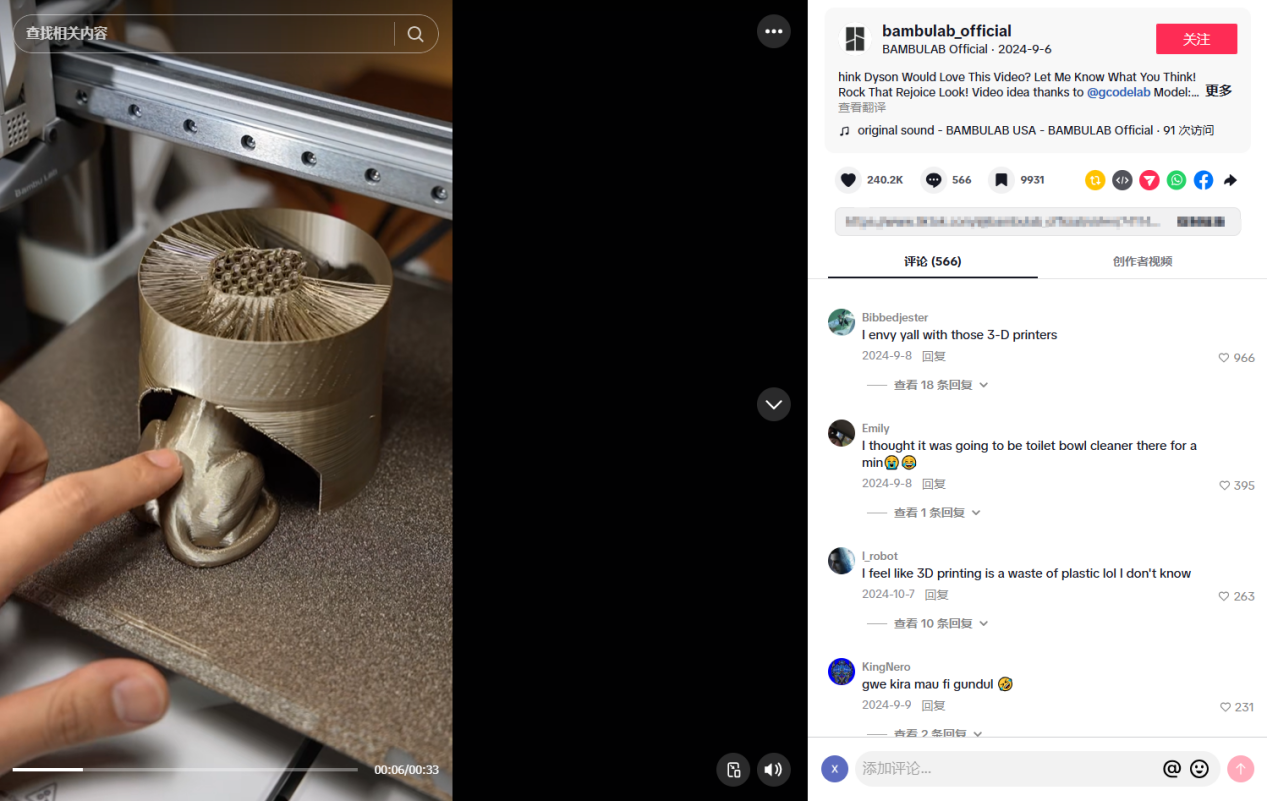
Prenons l'exemple de la vidéo la plus populaire du compte, qui montre en détail l'utilisation del'imprimante 3D de la marque Bambu Lab pour fabriquer une décoration de lion réaliste du début à la fin.
Grâce à l'effet visuel exquis et réaliste du produit fini, il a réussi à attirer un grand nombre depassionnés d'impression 3D qui se sont arrêtés pour regarder. Actuellement, cette vidéo a obtenu 15,7 millions de vues et 240 200 likes, apportant une énorme visibilité à la marque, avec un effet de marketing de contenu significatif sur les réseaux sociaux.
Source de l'image :TikTok
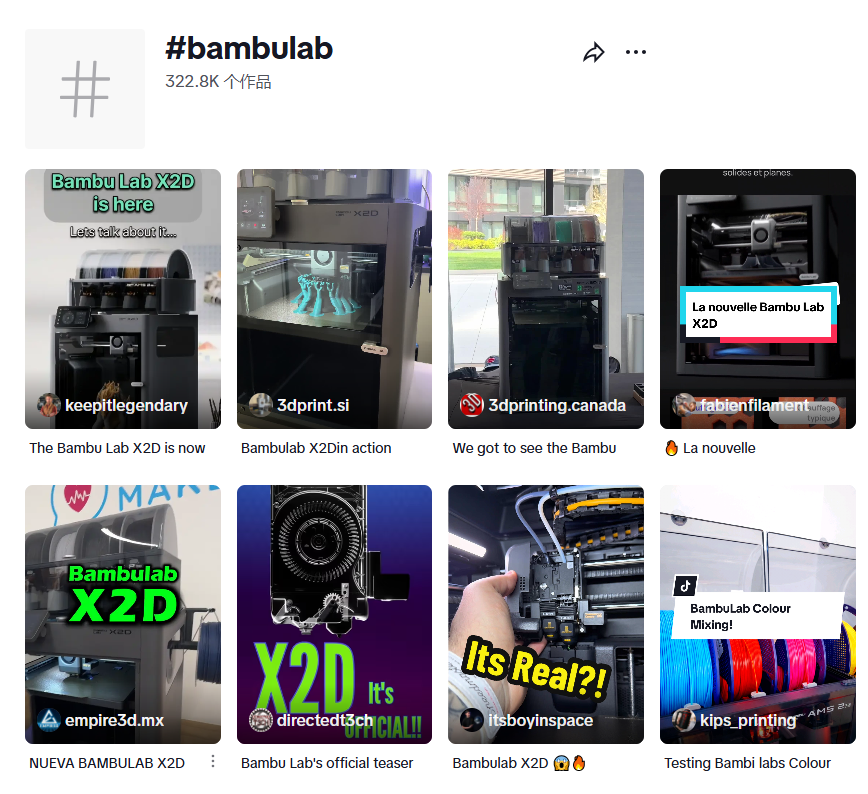
Outre le contenu officiel publié, la marque encourage également activement les utilisateurs à utiliserle hashtag #bambulab, partager les figurines, objets de décoration, créations culturelles et autres œuvres fabriquées à l'aide d'une imprimante 3D.
s'appuyant sur les recommandations lifestyle des utilisateurs réels, former une grande échelle sur la plateformePropagation spontanée d'UGC, réalisant une diffusion virale.
Actuellement, sous ce hashtagdeLes œuvres associées ont dépassé322 800pièces, un contenu natif massif élargit continuellement les frontières de communication de la marque, augmentant considérablementaBambu Labla notoriété à l'échelle mondiale.
Source de l'image :TikTok
Parallèlement,Bambu Lab intègre également en profondeur les ressources des cercles verticaux, collabore à long terme avec les créateurs TikTok actifs dans l'impression 3D et la technologie, et s'appuie sur l'expertise et la capacité créative des créateurs pour atteindre les consommateurs potentiels.
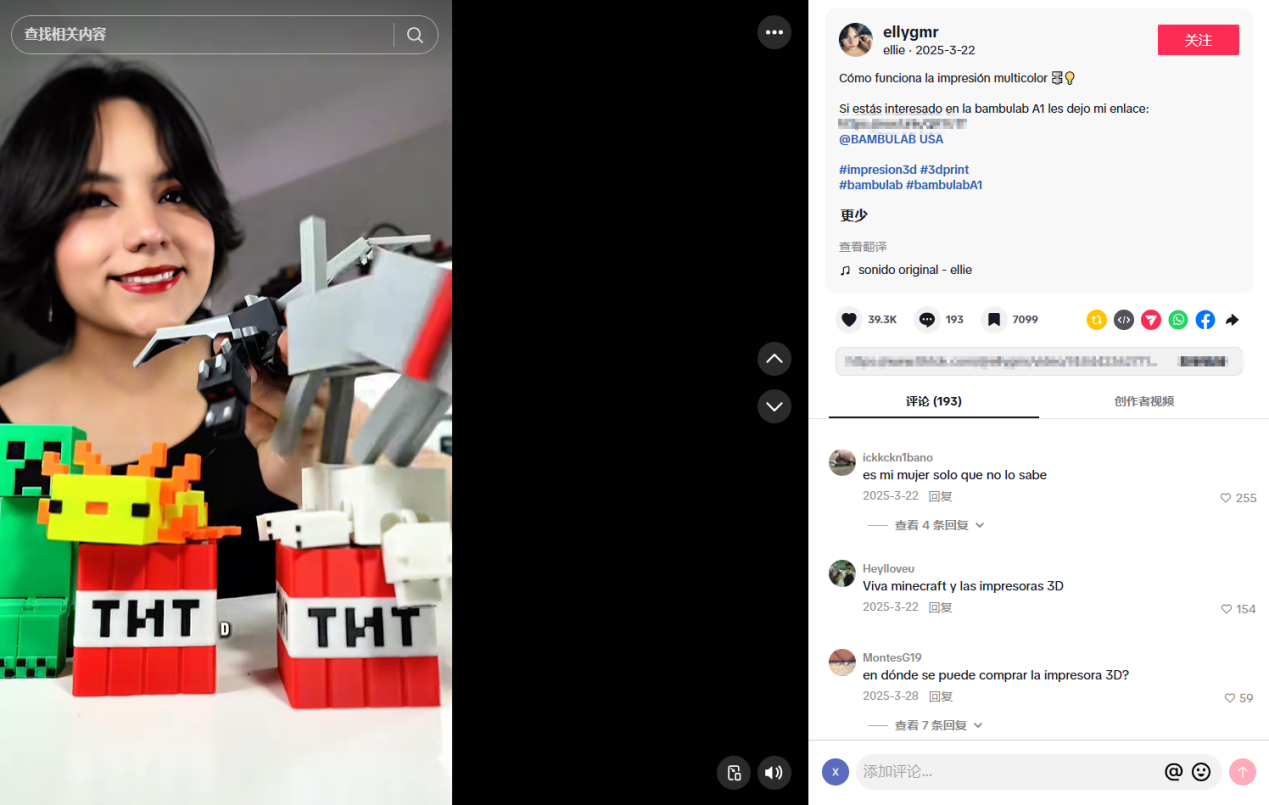
Par exemple, avecle créateur d'impression 3D @ellie avec 720 500 abonnés, a réalisé une vidéo promotionnelle pour la marque Bambu Lab.

Source de l'image :TikTok
La vidéo commence par un déballage immersif, montrant le créateur utilisantles avantages clés de l'imprimante 3D Bambu Lab : la personnalisation libre des formes, des combinaisons de couleurs variées, la création d'objets créatifs, etc.
Grâce à ce type d'évaluations réalistes et de démonstrations de fonctions proches du quotidien, les performances du produit et l'expérience utilisateur deviennent intuitives, réduisant ainsi le seuil de décision de l'utilisateur.
À ce jour, le nombre de vues de cette vidéo en collaboration avec le créateur a dépassé le million, et le nombre de likes a atteint3.93万, de nombreux utilisateurs dans les commentaires demandent où acheter, l'effet de conversion est très remarquable.
Source de l'image :TikTok
Conclusion
DeDans l'étude de cas de Bambu Lab, on peut voir que dans le domaine de l'expansion à l'international, le secteur des imprimantes 3D, qui était à l'origine vertical et de niche, montre un vaste potentiel commercial sur les marchés étrangers.
Actuellement, que ce soit l'essor de la culture maker mondiale, l'approfondissement des scénarios edtech, ou la propagation des tendances de consommation personnalisée, tout cela élargit continuellementles frontières du marché de ce secteur des imprimantes 3D.
Pour de nombreuses entreprises qui cherchent une direction d'expansion internationale, plutôt que de se battre sur des marchés saturés de catégories matures, il vaut mieux tourner leur regard vers ces segments de niche en pleine croissance.
Tant que le produit est solide, la stratégie claire, et que l'on sait utiliser le pouvoir du contenu et des médias sociaux pour connecter les utilisateurs mondiaux, il y a tout à fait une opportunité de construire une position avantageuse dans un secteur apparemment de niche et de grandir avec le marché.