 1569
1569
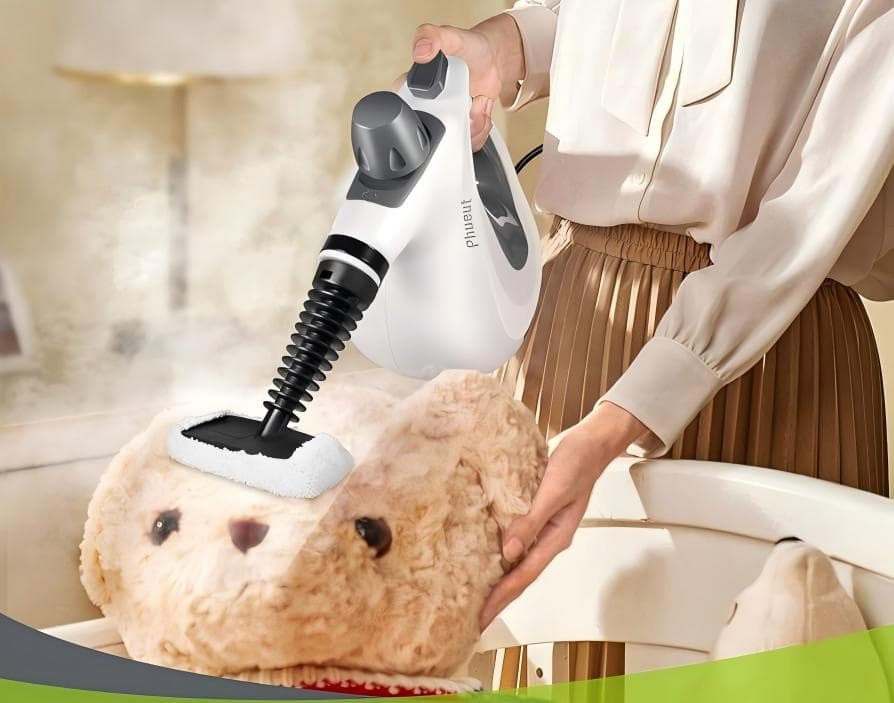
Limpadores a vapor portáteis não são uma nova categoria na pista de eletrodomésticos, mas noTikTok EUA, uma marca chamada Phueut fez deste produto um milagre de vendas de dezenas de milhões de dólares.
Lançado em março de 2024, o limpador a vapor já vendeumais de35dez mil unidades, acumulandoGMV atingindo1606.72US$ 10 mil.
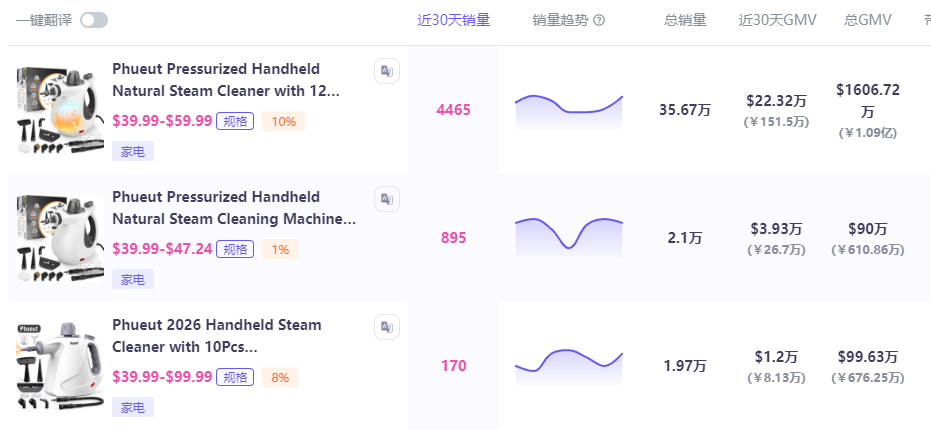
Fonte da imagem:echotik
Mais notável é que, além do excelente desempenho do produto em si, a loja da marcaPhueut já ultrapassou US$ 18,32 milhões em vendas totais, e o número de influenciadores parceiros chegou a 21.600 pessoas.
Um limpador a vapor portátil pressurizado que é o principalmarca DTC de exportação, como se destaca na competitiva pista de eletrodomésticos de limpeza?
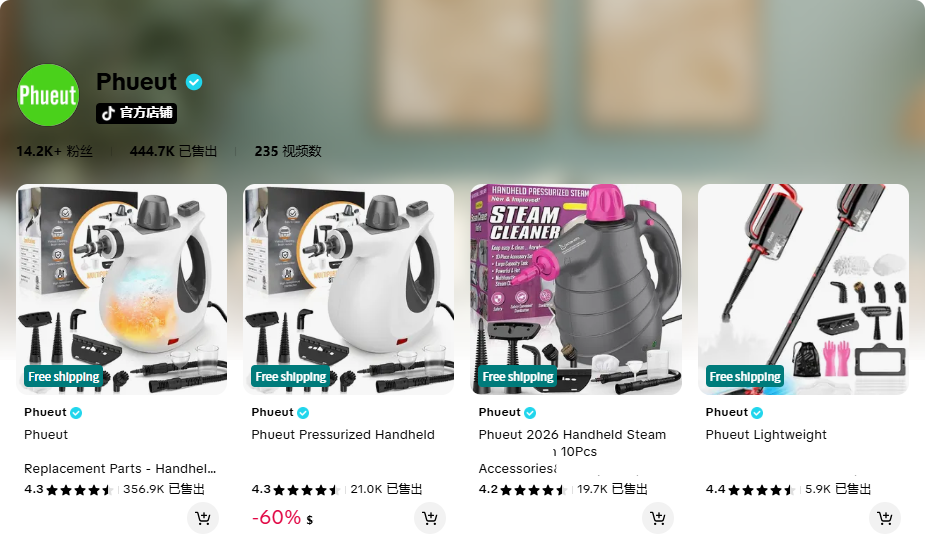
Fonte da imagem:TikTok Shop
A base técnica de fazer produtos discretamente
De acordo com informações públicas,O limpador a vapor Phueut foi lançado oficialmente em março de 2024 no TikTok EUA, com preço de US$ 42,99. E antes disso, a equipe de P&D por trás do produto já tinha anos de experiência no setor de pequenos eletrodomésticos.
A partir de informações públicas, esta marca quase não realizou marketing de marca tradicional em grande escala; em seu motor de crescimento,o conteúdo de influenciadores e o tráfego orgânico no TikTok tiveram um papel enorme
Mas isso não é sorte.Na fase de definição do produto, a Phueut já incorporou o 'gene de material de disseminação de conteúdo' no design do produto. O que significam 12 bicos substituíveis? Significa que a marca pode, sob o mesmo palete de produtos, permitir que o material dos influenciadores cubra dezenas de cenários específicos, como gordura de cozinha, calcário de banheiro, frestas de janelas de carro, manchas de animais de estimação em sofás, mofo em juntas de azulejos, etc., sem precisar projetar SKUs diferentes para cada cenário.
Em outras palavras, o próprio produto é o primeiro material de conteúdo; esse entendimento determinou todas as suas estratégias de marketing subsequentes.
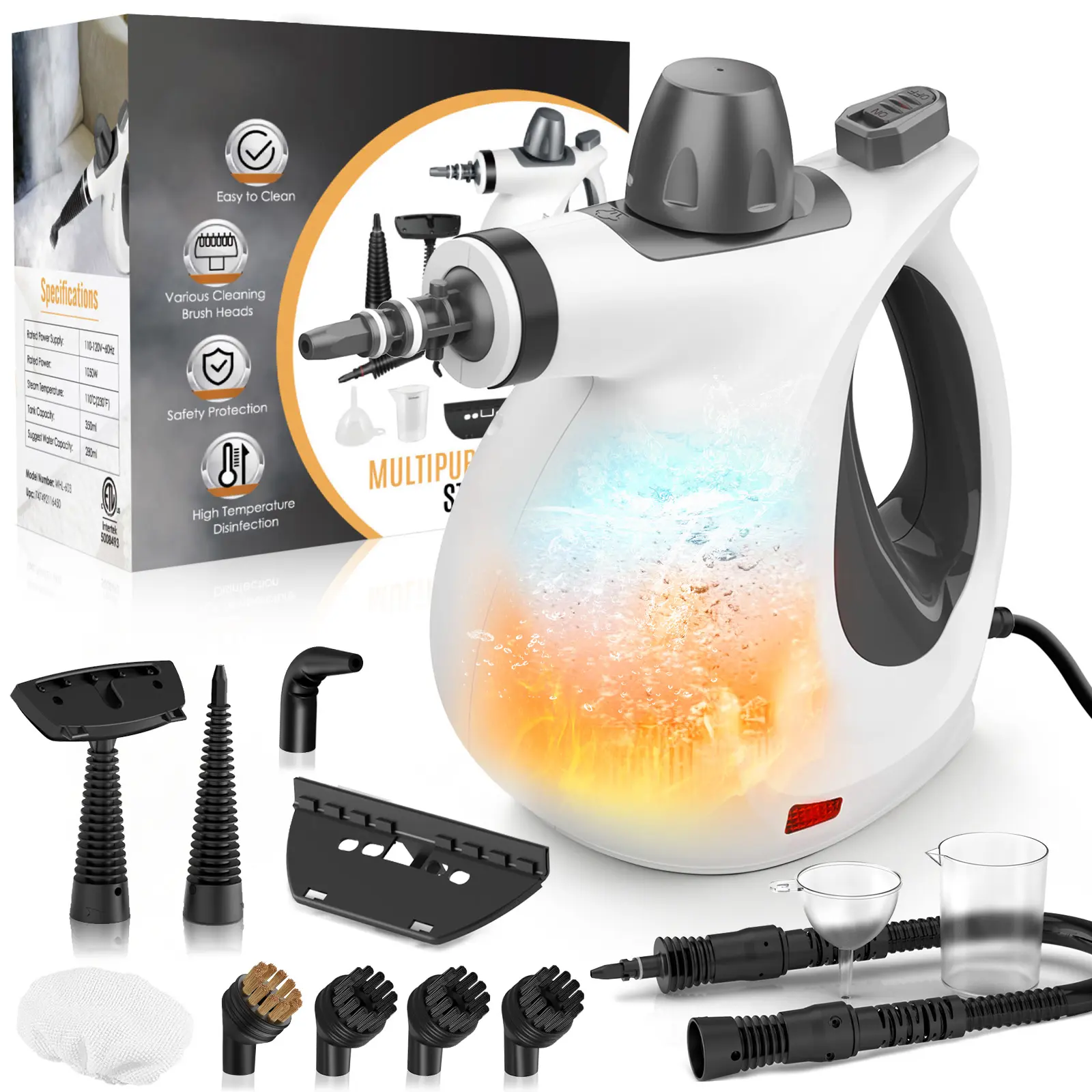
Fonte da imagem:TikTok Shop
Umproduto "exatamente necessário" que apareceu exatamente no momento certo
A categoria em que a Phueut atua não é o oceano vermelho de bilhões das lavadoras de piso e aspiradores robôs, mas sim um mercado mais vertical, porém com demanda clara: limpadores a vapor pressurizados portáteis/de mão.
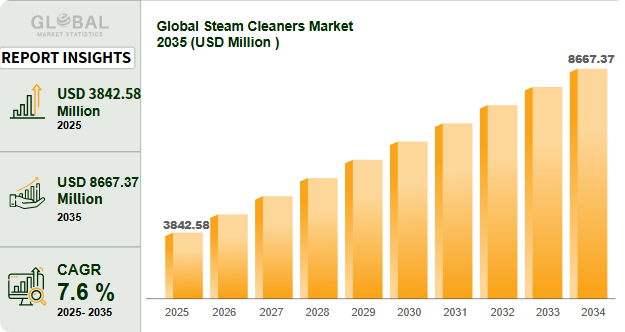
As estimativas de mercado de diferentes instituições apontam na mesma direção: o mercado global de limpadores a vapor continua em expansão,O tamanho do mercado em 2026 é de aproximadamente US$ 3,84258 bilhões, com expectativa de crescimento para US$ 8,66737 bilhões até 2035, a uma taxa composta de crescimento anual de cerca de 7,6%.
Mais especificamente, para os portáteis/limpadores a vapor portáteis, o mercado também continua a crescer. Relatórios relevantes mostram que este segmento de mercado vale cerca de US$ 554 milhões em 2025, com previsão de atingir US$ 937 milhões em 2033, a uma taxa composta de crescimento anual de cerca de 7,7%.
Fonte da imagem:globalmarketstatistics
Por que os limpadores a vapor são tão populares na América do Norte? Isso está intimamente ligado ao estilo de vida e moradia únicos dos Estados Unidos.
As casas independentes são a forma residencial predominante nos lares americanos, com quintais que significam grandes áreas de pisos, paredes e instalações externas para cuidar; a taxa de posse de carros particulares lidera globalmente, com quase todas as famílias tendo pelo menos um carro; aproximadamente66% das famílias americanas têm animais de estimação, e os pelos e manchas em sofás e carpetes são um problema inevitável.
Ao mesmo tempo, na era pós-pandemia, a atenção das pessoas à higiene doméstica aumentou significativamente, e nas plataformas de vídeos curtos,conteúdos como 'limpeza imersiva' e 'técnicas de limpeza profunda' continuam a fazer sucesso.
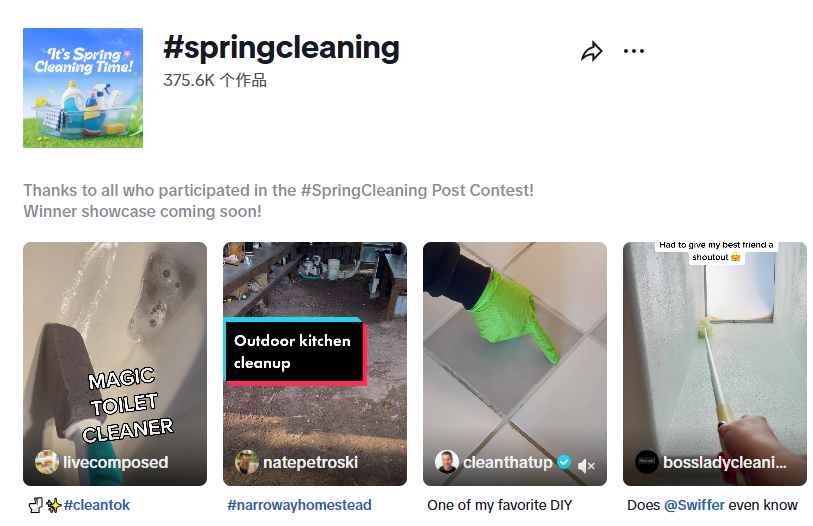
No TikTok, a hashtag #Spring Cleaning já atingiu 4,357 bilhões de visualizações, com mais de 375,6 mil vídeos relacionados. Esses conteúdos de limpeza com propriedades relaxantes são naturalmente adequados para pequenos eletrodomésticos como os limpadores a vapor, que têm um forte 'efeito visual' — no momento em que o vapor é disparado, as manchas desaparecem visivelmente. Essa sensação de satisfação, colocada em vídeos curtos, é mais convincente do que qualquer anúncio.
Fonte da imagem:TikTok
Metodologia TikTok: Matriz de Parcerias com Influenciadores e Linha de Produção de Conteúdo
A abordagem da Phueut no TikTok pode ser resumida em três palavras-chave: contextualização do conteúdo, matriz de influenciadores e fechamento do ciclo de vendas.
Primeiro, o conteúdo.
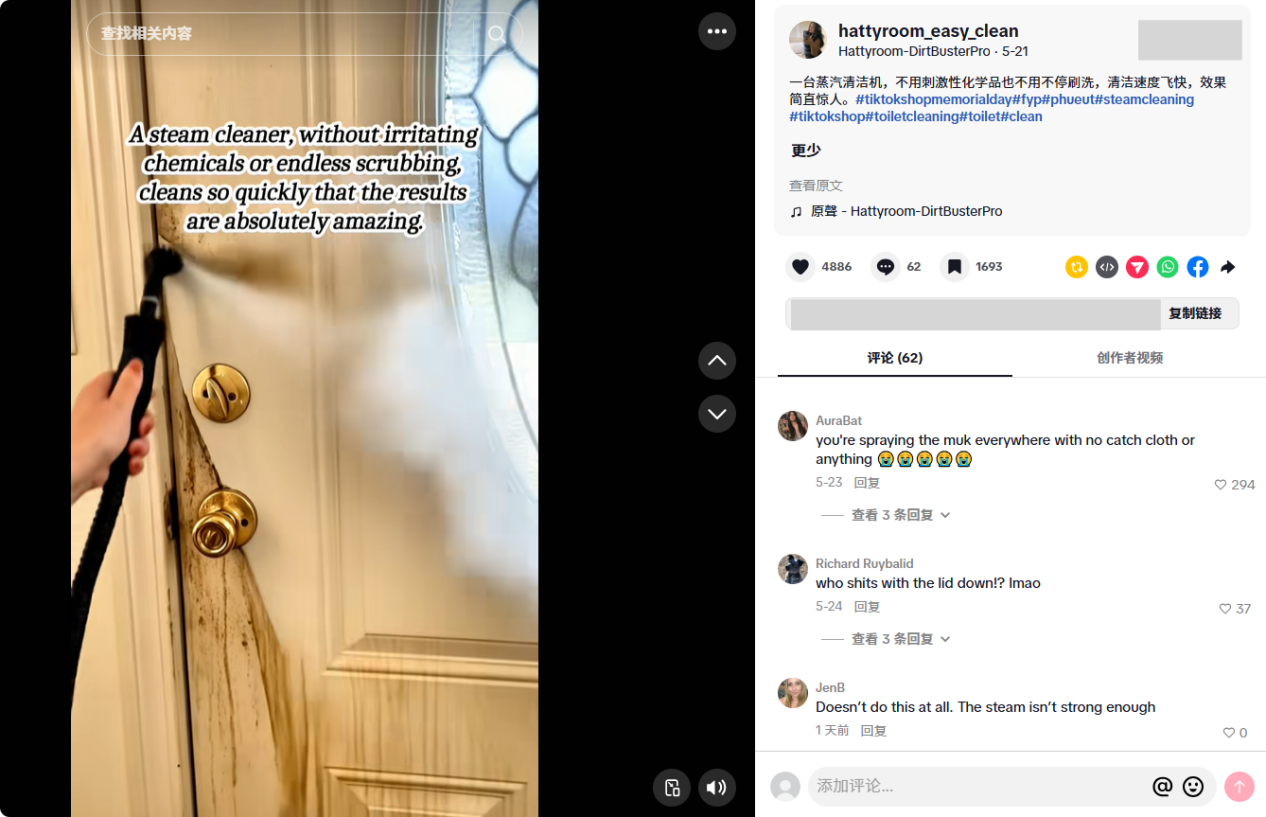
Phueut não se concentra em empurrar parâmetros de produto e descrições de funções no TikTok, mas sim em usar reviravoltas e âncoras de preço para criar urgência. Um vídeo popular com 2,6 milhões de visualizações adotou a típica estratégia de 'reviravolta de devolução'.
 Fonte da imagem:TikTok
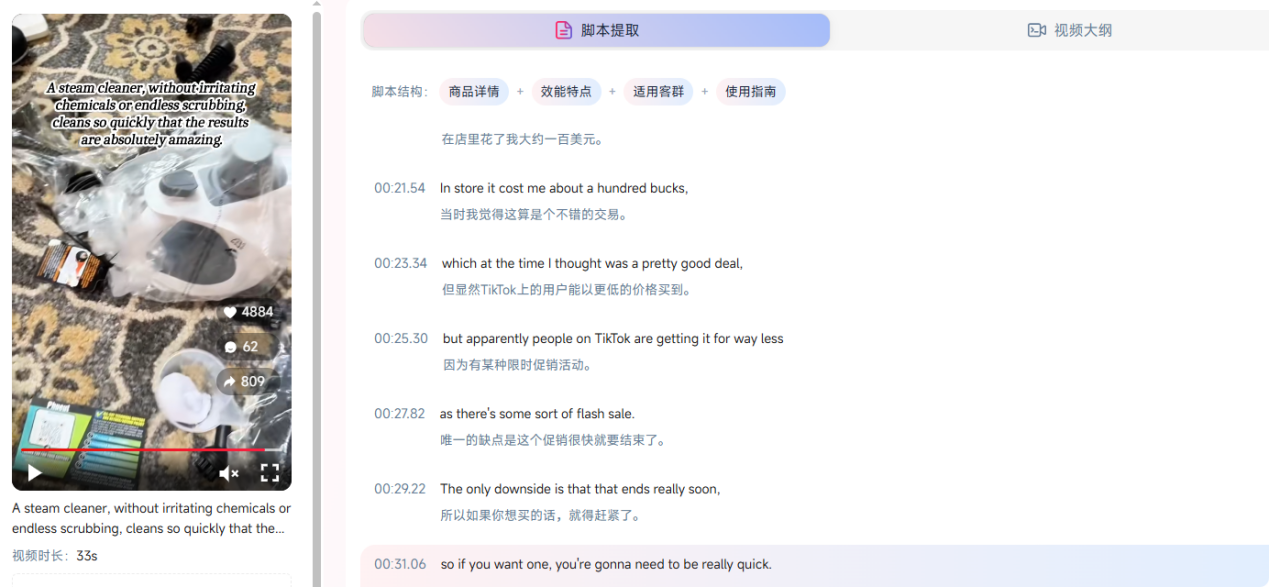
A influenciadora diz no início do vídeo'Na verdade, hoje vim devolver meu limpador a vapor', o público pensou que era porque o produto não era bom, mas ela mudou o discurso — 'Não é porque ele não consegue remover sujeira em segundos, mas porque ele mudou completamente a velocidade com que limpo minha casa'.
O verdadeiro motivo da devolução é que eladescobriu no TikTok que as pessoas podiam comprar a um preço mais barato em ofertas relâmpago, enquanto ela pagou cerca de US$ 100 em uma loja física. O vídeo enfatiza que a promoção está terminando e que é preciso comprar rápido. O vídeo inteiro tem apenas 33 segundos e, usando a lógica de 'comparação de preços + escassez limitada', gerou diretamente US$ 35,5 mil em vendas.
Fonte da imagem:TikTok
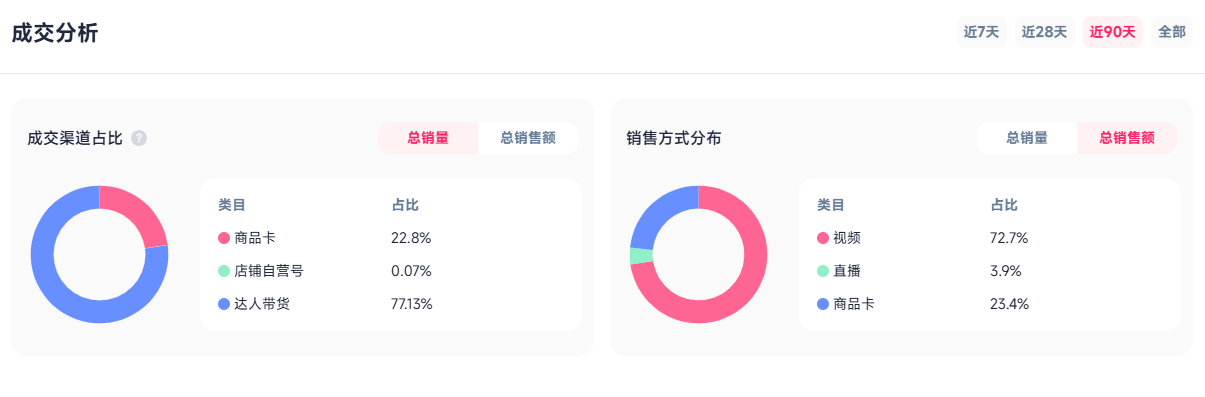
Vale notar que,Na origem das vendas da Phueut nos últimos 90 dias no TikTok, o vídeo curto representou mais de 72,7%, enquanto o live streaming representou apenas cerca de 3,9%.
Isso mostra que, para produtos como limpadores a vapor, cuja funcionalidade é altamente visualizável,o caminho do vídeo curto 'veja e compre' é muito mais eficiente do que o live streaming. O usuário não precisa de muita explicação do apresentador; um vídeo de 40 segundos comparando a limpeza já transmite todas as informações, da descoberta à decisão.
Fonte da imagem:fastmoss
A parceria com influenciadores éoutro ponto importante da Phueut.
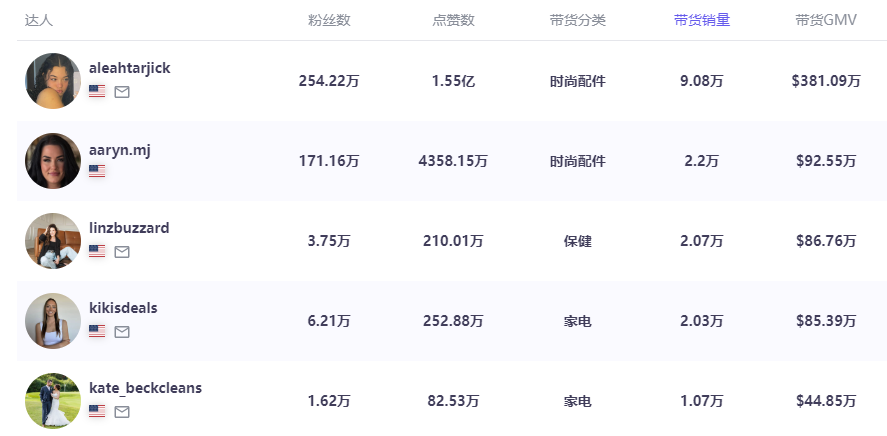
A lógica central desse sistema éa 'estratificação em pirâmide' – influenciadores de diferentes níveis desempenham papéis distintos, cada um com sua função.
Os influenciadores de topo são responsáveis por criar tendências e expandir o alcance, gerando visibilidade da marca por meio de conteúdos virais; os influenciadores de médio porte são a principal força de conversão, com demonstrações precisas de cenários e alta confiança dos seguidores, sendo a camadade ROI mais saudável de todo o sistema; os influenciadores de base e os usuários comuns são responsáveis por cobrir volume e construir reputação, com parcerias de baixo custo e grande volume de amostras, acumulando avaliações reais nos comentários e capturando o tráfego de busca de cauda longa.
Isso pode ser visto claramente nos ícones de influenciadores na imagem abaixo:
Fonte da imagem:echotik
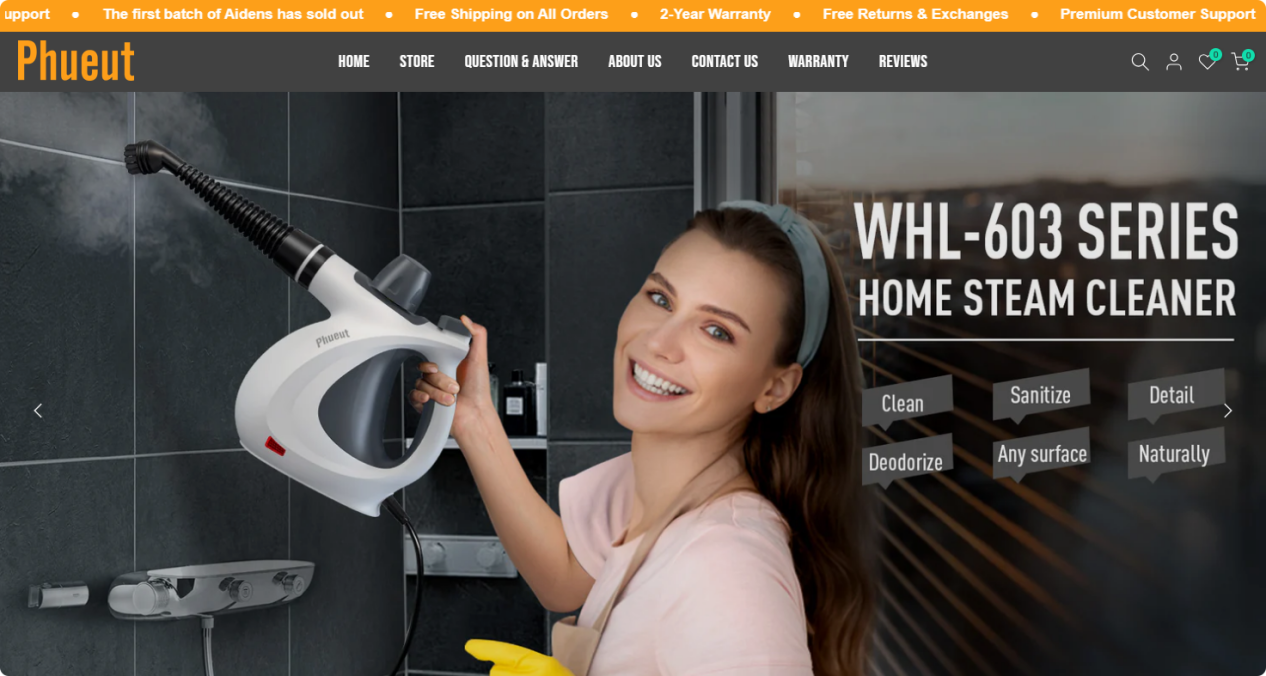
Vale ressaltar queos canais de vendas da Phueut não se limitam ao TikTok Shop; há presença em múltiplas plataformas, como site próprio e Amazon.
Essa abordagem de'múltiplos canais coexistindo, mas com foco concentrado' é uma estratégia bastante pragmática para marcas pequenas e médias que buscam internacionalização: não colocar todos os ovos na mesma cesta, mas também ousar concentrar recursos no canal mais eficiente.
Fonte da imagem:Phueut
Conclusão
Agora, olhando para trás, as oportunidades para marcas chinesas no mercado externo são maiores do que muitos imaginam. No mercado global de aparelhos de limpeza elétrica, a China já detém mais de30% da produção de limpadores a vapor, sendo o maior polo produtor do mundo.
Temos vantagem na cadeia de suprimentos e capacidade madura de fabricação; tudo o que falta talvez seja a consciência e o método detransformar 'Feito na China' em 'Marca Chinesa'. O surgimento de plataformas de comércio eletrônico de conteúdo como o TikTok, até certo ponto, reduziu as barreiras para a construção de marcas.
Não é que toda marca que busca internacionalização possa replicar ocaminho da Phueut, mas pelo menos há algo em comum: em vez de competir por preço em um oceano vermelho, é melhor encontrar necessidades reais que ainda não foram totalmente atendidas. O mercado externo é enorme; sempre há um nicho esperando para ser desenvolvido.