 1888
1888À l'approche des élections américaines, des remous se font à nouveau sentir sur le territoire.
Le mardi 5 mars, heure locale, la « Commission spéciale sur la concurrence stratégique entre les États-Unis et la Chine » (ci-après dénommée « Commission Chine ») de la Chambre des représentants des États-Unis a présenté une proposition de loi, exigeant que l'entreprise technologique chinoise ByteDance cède sa filiale d'application de courtes vidéos TikTok dans un délai de 165 jours, sous peine d'être interdite sur les principales boutiques d'applications.
Selon Reuters, un vote préliminaire sur ce projet de loi est prévu pour le jeudi 7 mars, heure locale.
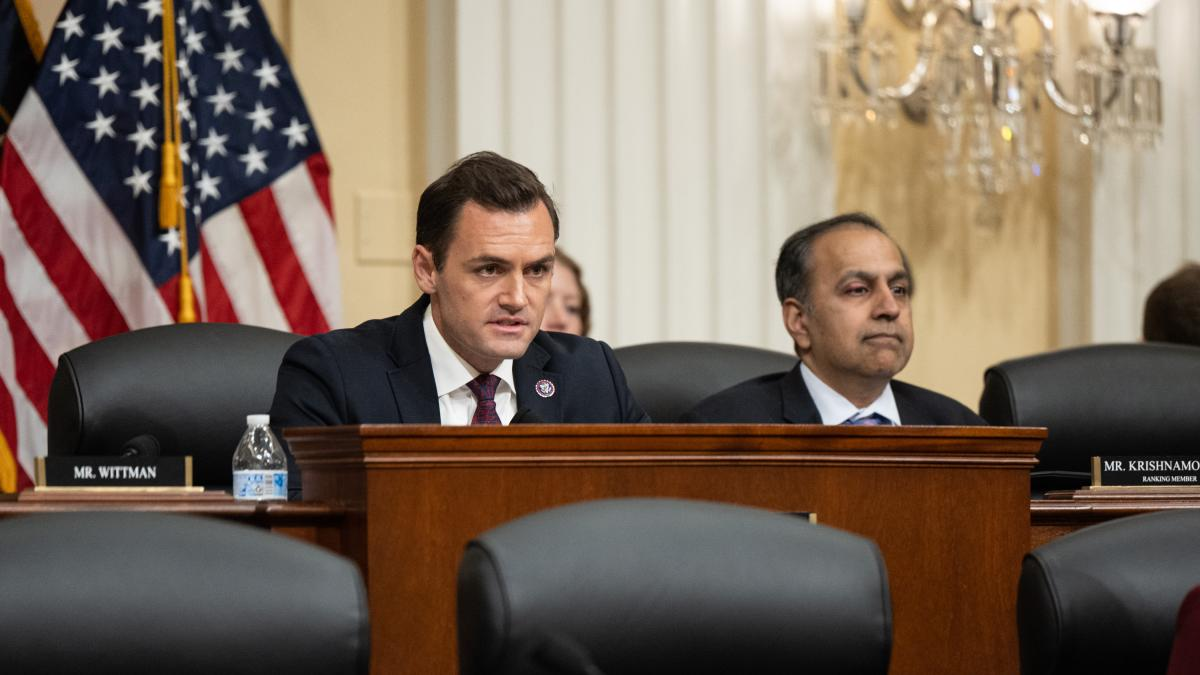
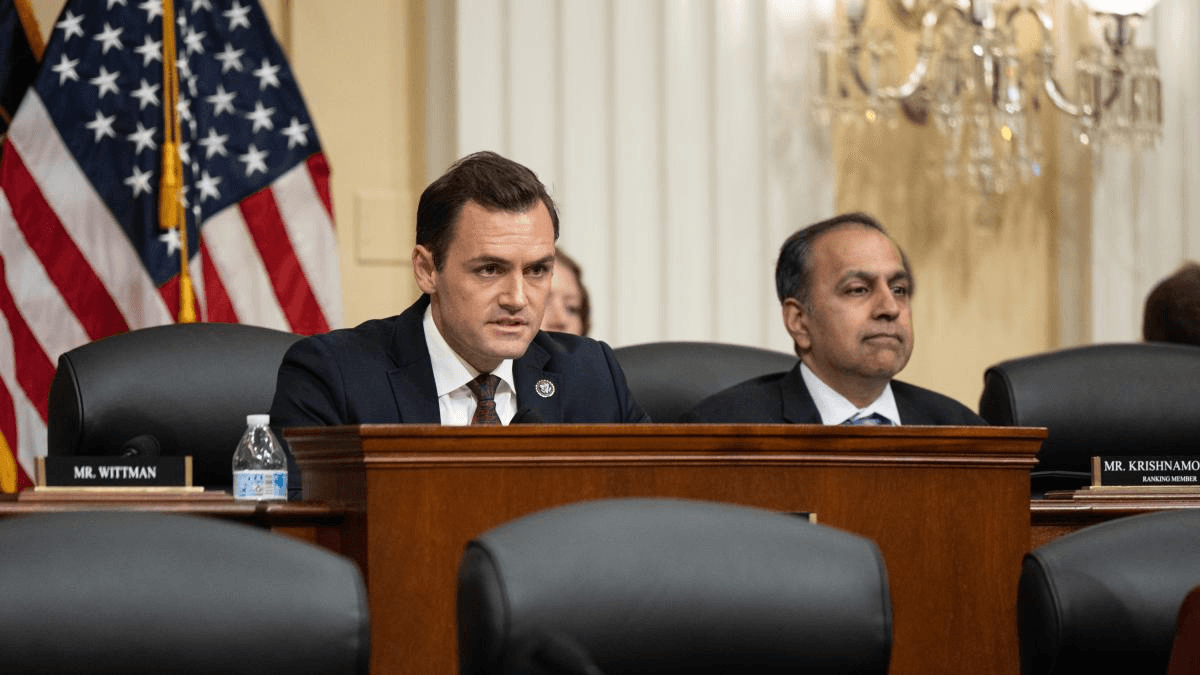
Le président de la « Commission Chine » de la Chambre des représentants, Mike Gallagher (à gauche), et le membre démocrate de haut rang, Raja Krishnamoorthi. Source : médias américains.
Selon les informations divulguées par la Chambre, cette proposition a été présentée conjointement par le président de la « Commission Chine », Mike Gallagher, et le membre démocrate de haut rang, Raja Krishnamoorthi, au motif de résoudre les soi-disant « préoccupations de sécurité nationale » soulevées par TikTok.
Gallagher a également déclaré avec véhémence : « Le principal adversaire des États-Unis n'a pas le droit de contrôler les principales plateformes médiatiques américaines. À moins de mettre fin à ses liens avec ByteDance, contrôlée par la Chine, les jours de TikTok aux États-Unis sont comptés. »
En réponse, le porte-parole de TikTok, Alex Haurek, a rapidement réagi le même jour, affirmant que, quelle que soit la manière dont les auteurs de la proposition tentent de masquer leurs véritables intentions, ce projet de loi constitue en substance une interdiction totale de TikTok, ce qui piétinerait les droits du Premier Amendement de 170 millions d'Américains et priverait 5 millions de petites entreprises d'une plateforme essentielle à leur croissance et à la création d'emplois.
Si ce projet de loi est adopté, ByteDance disposera d'environ cinq mois pour céder TikTok. De plus, les sociétés d'hébergement web et les boutiques d'applications, telles que les géants Apple et Google, seront également contraintes de cesser leur soutien à TikTok et aux autres applications associées à ByteDance.
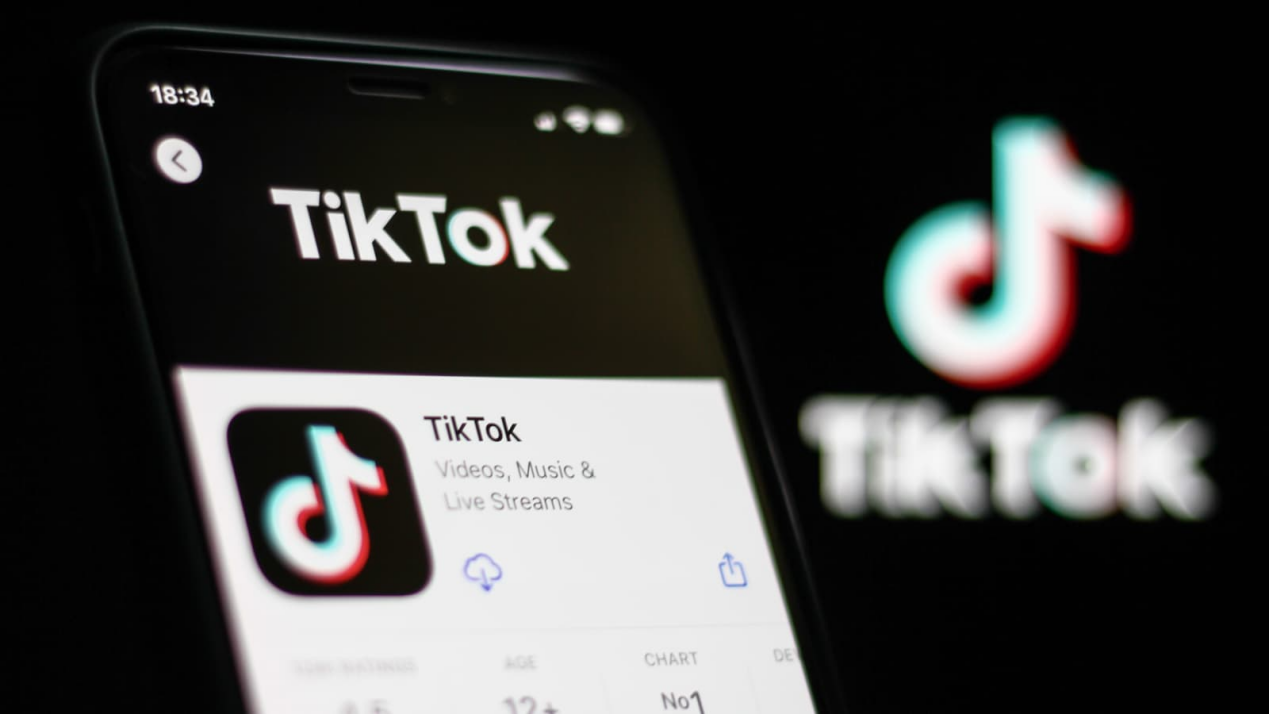
Bien entendu, cette proposition nécessite également une législation complémentaire du Sénat et sera examinée et soumise à un vote potentiel lors des audiences de la Commission de l'énergie et du commerce de la Chambre des représentants des États-Unis. Si elle est adoptée, cette loi pourrait constituer une menace majeure pour la propriété de TikTok par ByteDance.
En réalité, ce n'est pas la première fois que les États-Unis exigent que ByteDance vende TikTok de force.
Avant cela, l'administration Trump avait déjà tenté d'exiger la vente de TikTok et avait annoncé l'interdiction du téléchargement d'applications chinoises comme TikTok sur le territoire américain, mais ces mesures ont été rejetées par certains tribunaux.
En 2022, le président Joe Biden a signé une loi interdisant l'accès et l'utilisation de TikTok sur les appareils gouvernementaux, afin d'empêcher TikTok d'obtenir des données gouvernementales via les autorisations des appareils.
Le 17 mai de l'année dernière, le Montana a signé une loi interdisant aux entités de proposer le téléchargement de TikTok dans tout l'État. Le Montana est ainsi devenu le premier État américain à interdire totalement TikTok. Cependant, avant l'entrée en vigueur de cette loi le 1er janvier 2024, un juge américain l'a rejetée au motif qu'elle violait la liberté d'expression des utilisateurs.
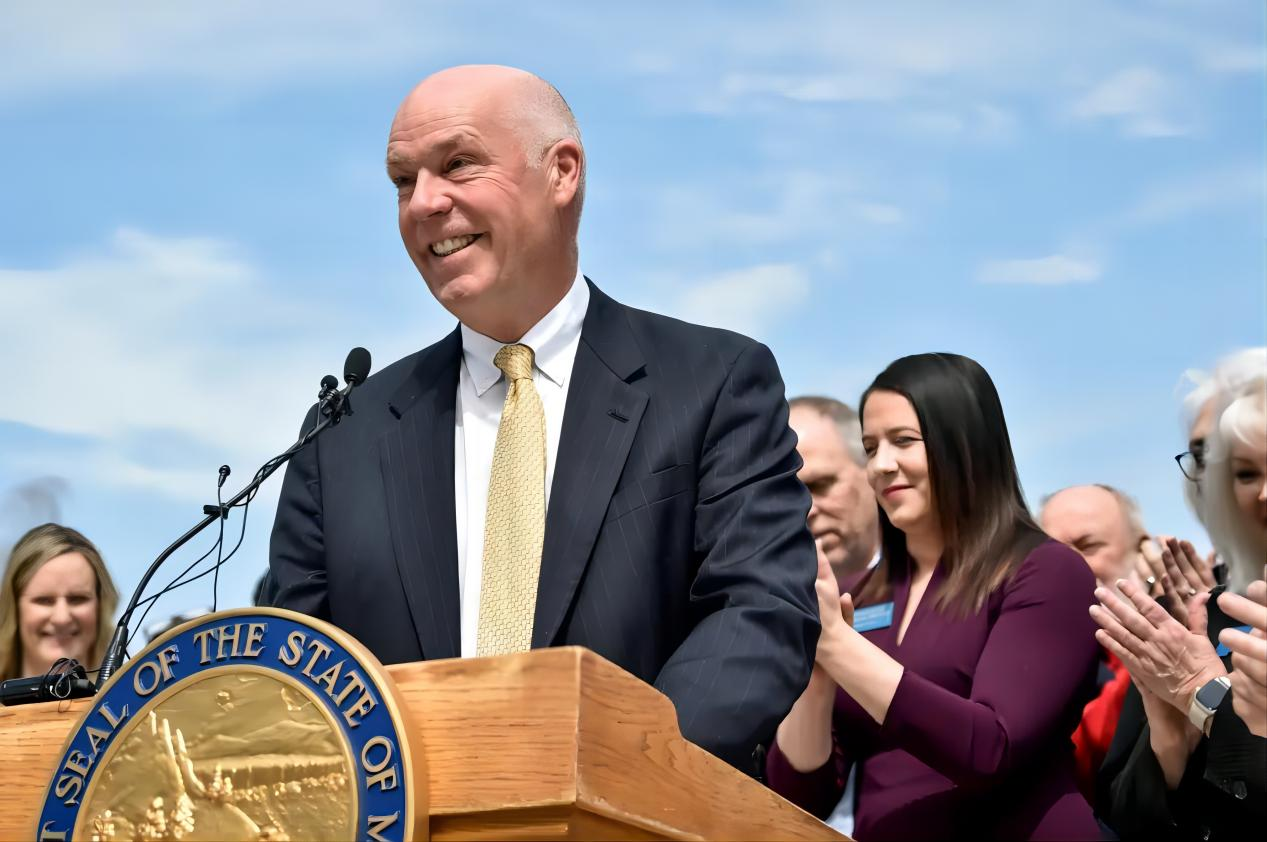
Le gouverneur du Montana, Greg Gianforte, signe la loi interdisant TikTok dans l'État. Source : Associated Press.
Pour apaiser ces préoccupations de sécurité, le PDG de TikTok, Shou Zi Chew, a été interrogé à plusieurs reprises par le Congrès américain et a pris une série de mesures, notamment le stockage des données des applications des utilisateurs américains sur des serveurs situés aux États-Unis.
Cependant, à l'heure actuelle, une partie du gouvernement américain estime toujours que TikTok représente une menace importante.
Il est à noter que l'attitude du public américain quant à l'interdiction totale de TikTok a considérablement changé. Selon une enquête récente du Pew Research Center publiée en décembre 2023, le soutien du public américain à l'interdiction de TikTok est passé de 50 % à 38 %. On peut s'attendre à ce qu'avec le temps, de plus en plus d'Américains soient réservés quant à une interdiction totale de TikTok.
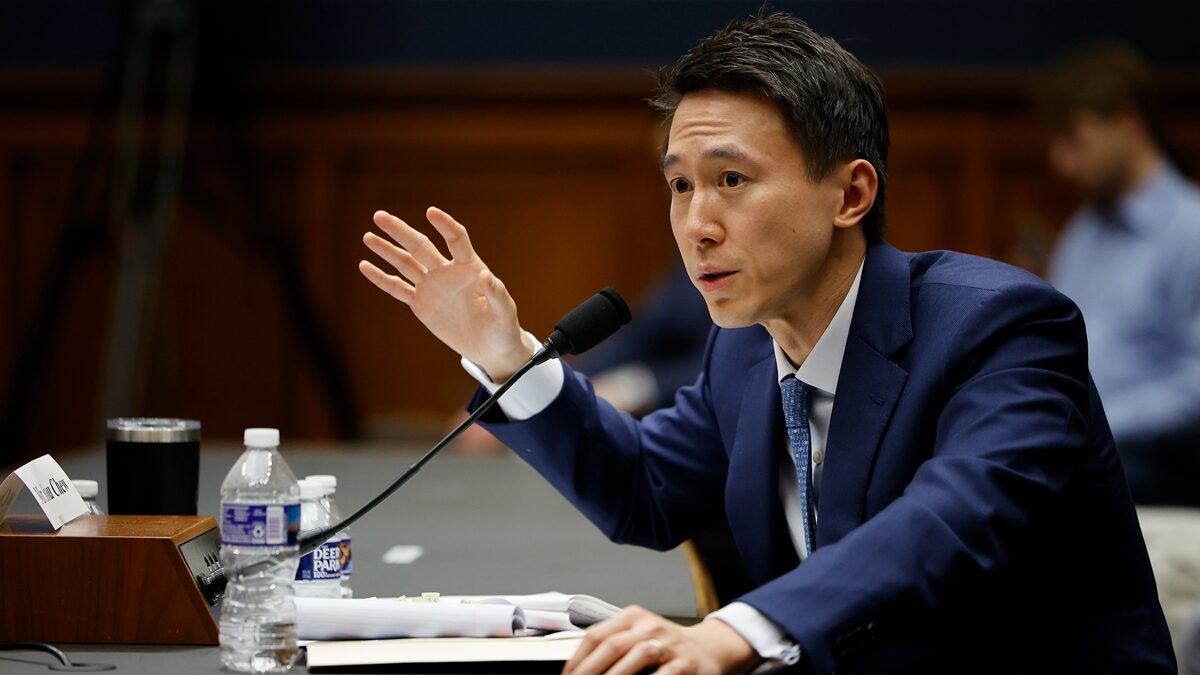
Le PDG de TikTok, Shou Zi Chew, témoigne devant le Congrès américain. Source : médias américains.
De plus, il est ironique de constater que, pour attirer le soutien des jeunes électeurs, le président américain Joe Biden, qui avait auparavant prôné l'interdiction de TikTok, a ouvert un compte TikTok le 11 février et a publié plusieurs courtes vidéos pour faire campagne en faveur de sa réélection.
Avec ces facteurs en jeu, et compte tenu de la grande popularité de TikTok aux États-Unis, il sera difficile pour la Chambre des représentants américaine de faire adopter cette proposition lors de cette année électorale de 2024.