 1762
1762
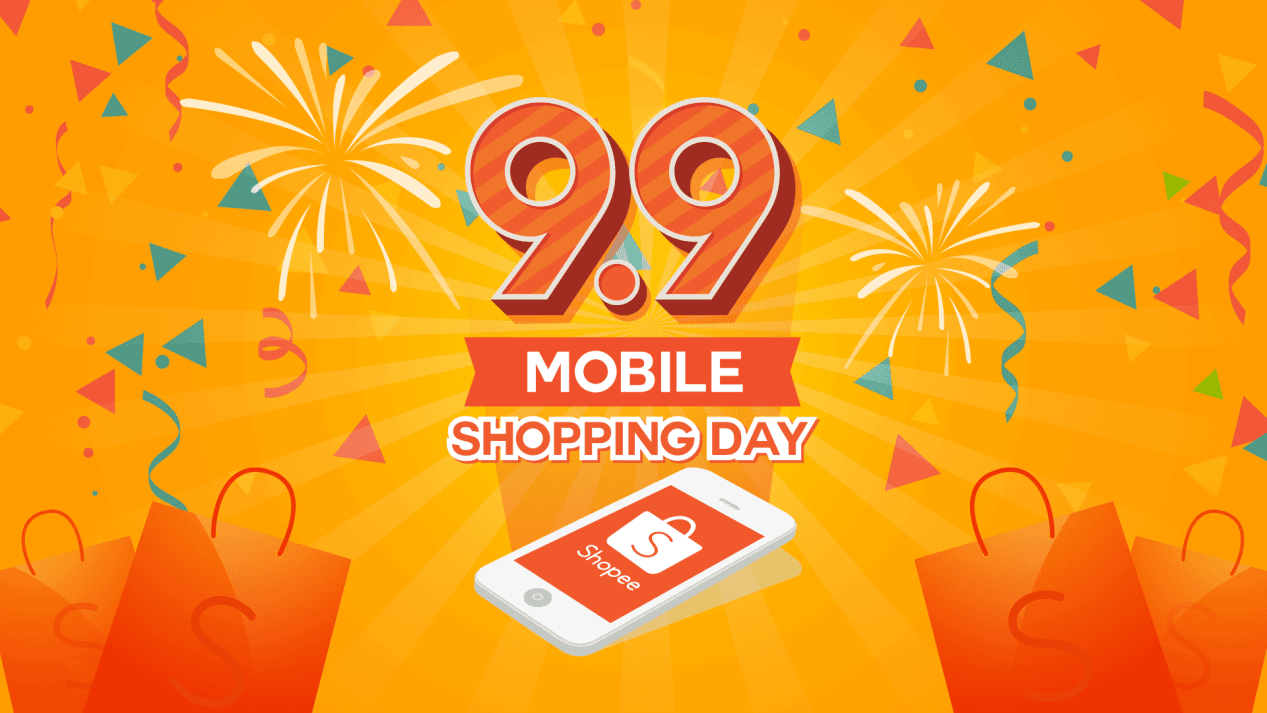
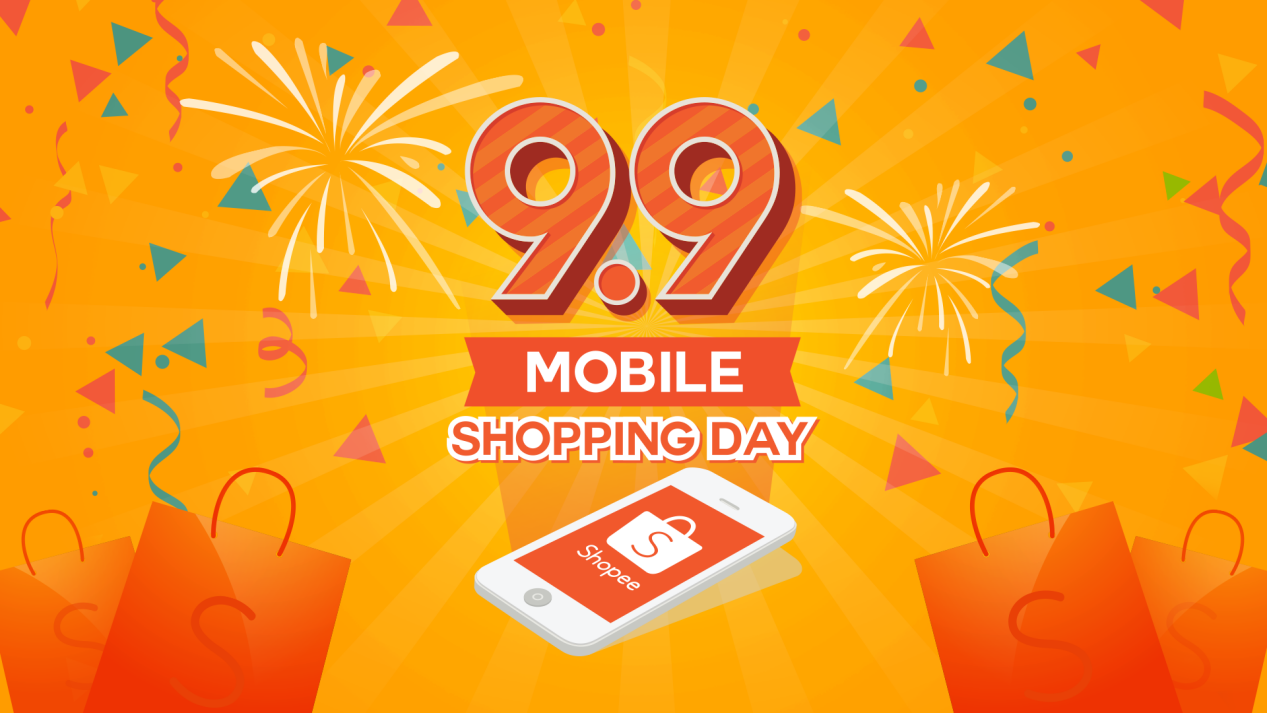
setiap tahunyangMusim Black Friday dan Natal,Prime Day dan promo 9.9 di Asia Tenggara adalah momen yang sangat dinanti-nantikan oleh para penjual lintas batas untuk mendorong volume penjualan. Namun bagi penjual pemula yang baru memasuki jalur ini, momen promo besar tersebut merupakan peluang sekaligus jebakan. Entah itu menimbun banyak stok tapi tidak tahu cara mendatangkan traffic, atau menghabiskan banyak biaya iklan namun konversinya sangat sedikit.
Ingin benar-benar meningkatkan volume penjualan selama promosi besar di luar negeri, kuncinya bukanlah mengikuti tren secara membabi buta, melainkan menguasai serangkaian taktik pemasaran momen yang cocok untuk penjual kecil.
Sumber gambar:linkedin
Siapkan waktu cadangan, gunakanPersiapan awal menggantikan tindakan dadakan
Reaksi pertama dari banyak penjual pemula adalah: pada hari promosi besar, berikan diskon maksimal, maka traffic akan datang dengan sendirinya. Pemikiran ini cukup berbahaya.
Konsumen luar negeri memiliki pilihan yang sangat beragam selama periode promosi besar. Sebuah toko yang tidak memiliki popularitas yang terkumpul sebelumnya, meskipun diskonnya sangat besar, akan sulit untuk menonjol di antara banyak produk. Pemasaran momen yang benar-benar efisien harus mulai direncanakan empat hingga enam minggu sebelumnya.
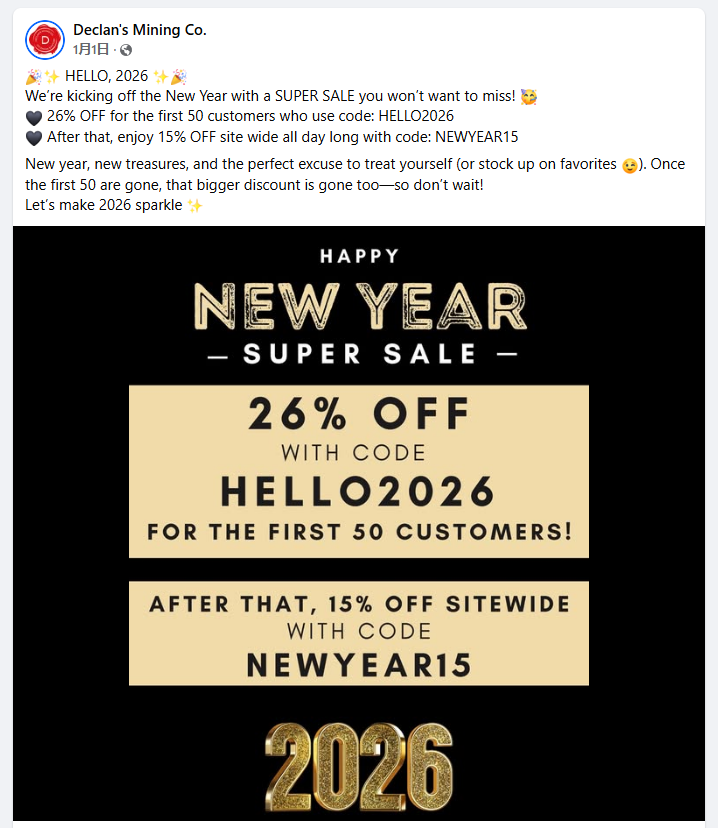
penjualDapat merilis pratinjau promosi besar secara bertahap melalui akun media sosial, misalnya"Hari ke-X dari hitungan mundur, produk ini akan mencapai harga terendah tahun ini"; juga dapat memanfaatkan pemasaran email untuk mengirimkan "pengingat early bird" eksklusif kepada pelanggan lama, disertai dengan kupon diskon kecil untuk pembelian awal.
Tujuan inti dari pemanasan ini bukanlah untuk menjual barang secara langsung, melainkan untuk membuat pengguna target menantikan merek dan produk Anda sebelum promo besar resmi dimulai. Ketika orang lain masih sibuk panik menyesuaikan tawaran iklan pada hari promo, Anda sudah memiliki sejumlah calon pelanggan yang menunggu untuk memesan pada tengah malam.
Sumber gambar:Facebook
Desain diskon harus memiliki tingkatan, sehingga pengguna dapat merasakannya.Kesempatan tidak datang dua kali
Memberikan diskon 20% saja, dalam suasana promosi besar hampir tidak menarik. Anda perlu merancang sesuatu yang membuat konsumen merasaStruktur diskon "Kali ini jika tidak membeli, Anda akan rugi."
Salah satu praktik yang umum dan efektif adalah diskon bertahap: diskon tambahan dalam dua jam pertama, sebelumHadiah tambahan untuk 100 pembeli pertama, hadiah berjenjang berdasarkan total belanja, dll. Ada mekanisme psikologis yang sering diabaikan: kecepatan pengambilan keputusan konsumen selama promosi besar tergantung pada "ketakutan akan kehilangan". Jika Anda hanya memasang label "diskon 30%", pengguna akan berpikir masih ada diskon 30% di lain waktu; tetapi jika Anda mengatakan "diskon tambahan 15% dalam dua jam pertama, setelah itu kembali ke diskon normal", rasa urgensi akan sangat berbeda.
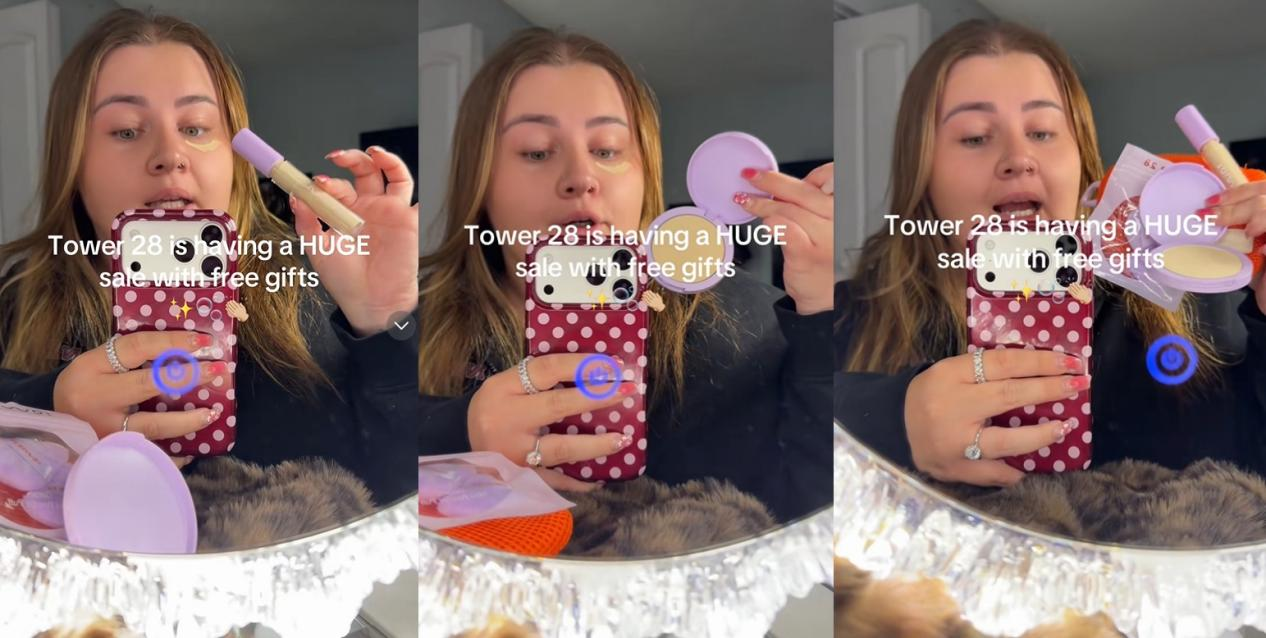
Untuk penjual pemula, tidak disarankan untuk memberikan seluruh keuntungan sekaligus, tetapi sebaiknya mengalihkan sebagian anggaran keFokus pada "hadiah gratis" dan "diskon minimum pembelian". Misalnya, menjual peralatan kecil seharga 30 dolar AS, diskon Anda bisa diatur sebagai "harga promosi 25 dolar AS, ditambah bonus aksesori senilai 5 dolar AS". Nilai persepsi ini sering kali lebih menarik daripada diskon langsung menjadi 20 dolar AS, dan keuntungan Anda juga terjaga.
Sumber gambar:TikTok
Hubungkan lalu lintas internal dan eksternal, jangan hanya bergantung pada lalu lintas platform
Jika Anda menjual di Amazon,atau platform seperti Shopee, selama periode promosi besar, platform memang memberikan sedikit alokasi lalu lintas, tetapi peningkatannya terbatas, dan persaingannya sangat sengit.
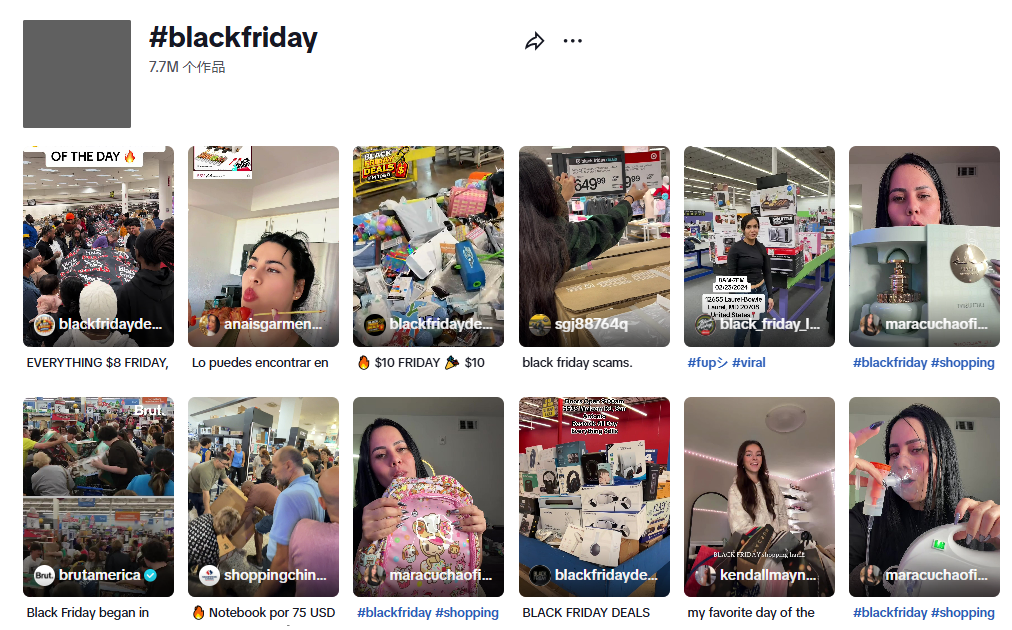
Cara yang benar-benar cerdas adalah membawa lalu lintas eksternal Anda sendiri. Anda bisa menggunakan cara paling sederhana: di platform yang telah Anda kelola selama beberapa waktu,Facebook, Instagram, atau TikTokplatformunggah video demonstrasi nyata produk promosi besar.
Perhatikan, bukan iklan yang diedit sempurna, tetapi demonstrasi penggunaan nyata. Misalnya, jika Anda menjual lampu berkemah, rekam adegan yang benar-benar dinyalakan di luar ruangan, dan tambahkan kalimat,“Pada Black Friday, lampu ini akan memberikan harga khusus untuk penggemar, ingat untuk menunggu.” Konten semacam ini memiliki tingkat interaksi yang jauh lebih tinggi daripada gambar iklan yang sempurna menjelang promosi besar. Sementara itu, Anda dapat mempertimbangkan bekerja sama dengan pengulas niche,influencertidak harus mencariinfluencer top, influencer niche dengan ribuan pengikutinfluencerlebih hemat biaya, minta mereka untuk memposting konten ulasan tiga hari sebelum promosi besar, dengan kode diskon Anda, hasilnya sering kali sangat solid.
Sumber gambar:TikTok
Setelah promosi besar,periode “sisa panas” juga dapat menambah volume
Pada hari berakhirnya promosi besar, banyak yang mengira bahwa dorongan volume sudah selesai, padahal masih ada gelombang konsumen yang menyesal karena melewatkan promosi.
Pada saat ini, Anda dapat menggunakan strategikartu “kembali lagi”, bukan diskon seluruh toko, tetapi menjual produk dengan penjualan terbaik selama promosi besar dengan nama “kesempatan terbatas kembali lagi” selama dua hingga tiga hari, dengan harga sedikit lebih rendah dari hari promosi utama, tetapi dengan syarat kecil, misalnya “beli dan dapatkan voucher diskon 20% untuk promosi besar berikutnya”. Cara ini tidak hanya dapat menjaring pengguna “pelupa” tetapi juga mengunci pelanggan potensial untuk promosi besar berikutnya.
Selain itu, pada minggu pertama setelah promosi besar, pastikan untuk mengumpulkan data pesanan, profil pengguna, dan perubahan tingkat konversi dari promosi besar ini. Saluran mana yang memberikan konversi tertinggi? Pada periode waktu mana konversi paling terkonsentrasi? Produk mana yang memiliki diskon terlalu besar sehingga margin keuntungan terlalu tipis? Pertanyaan-pertanyaan ini hanya dapat dijawab setelah menjalani satu promosi besar secara lengkap. Dengan pengalaman ini, tingkat kemenangan Anda pada promosi besar berikutnya akan meningkat secara signifikan.
Sumber gambar:Freepik
Penutup
Bagi penjual kecil yang baru memulai, Anda tidak perlu bersaing dengan penjual besar dalam hal anggaran dan sumber daya flash sale. Yang perlu Anda lakukan adalah menanamkan ekspektasi selama periode pemanasan, menciptakan urgensi pada hari promosi besar, dan mempertahankan kehangatan setelah promosi besar.
Setiap pemasaran momen, pada dasarnya adalah membangun memori transaksi yang mendalam dengan pengguna target, membuat mereka mengingat bahwa produk Anda dapat diandalkan, diskon Anda tulus, dan merek Anda layak dikunjungi lagi.
Ketika Anda menjalankan tiga tahap pemanasan, ledakan, dan penutupan selama periode promosi besar, penjualan juga akan berubah dari ledakan yang tidak disengaja menjadi pertumbuhan yang pasti.